

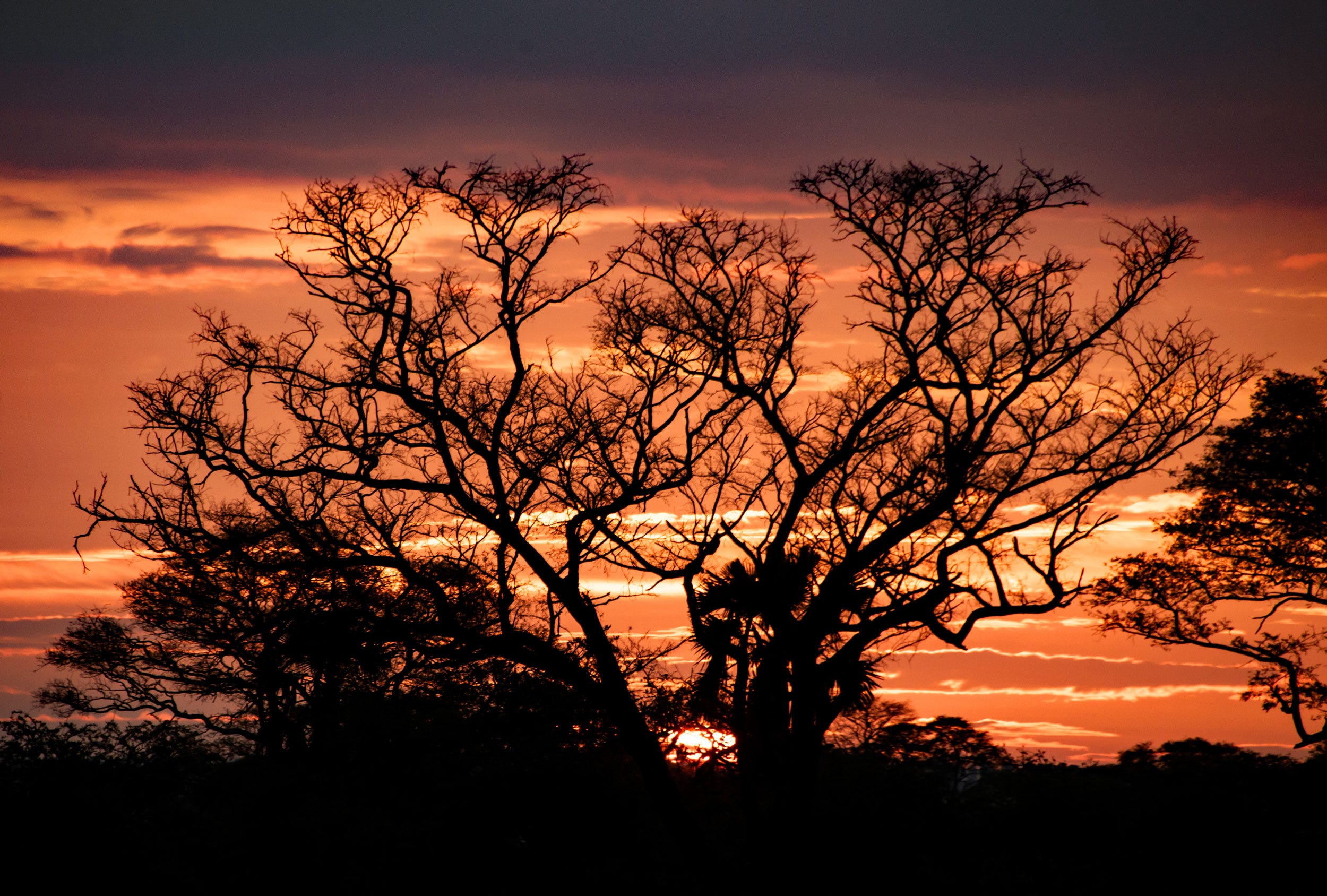
We start out early, pile into the land rover (have we packed everything?), and set off on safari. Window doesn’t work. It’s getting hot. Uh-oh. Kampala’s morning rush hour traffic is extraordinarily dense and chaotic; we may never get out of town. Fred handles the traffic with ease and eventually, the window gets fixed.
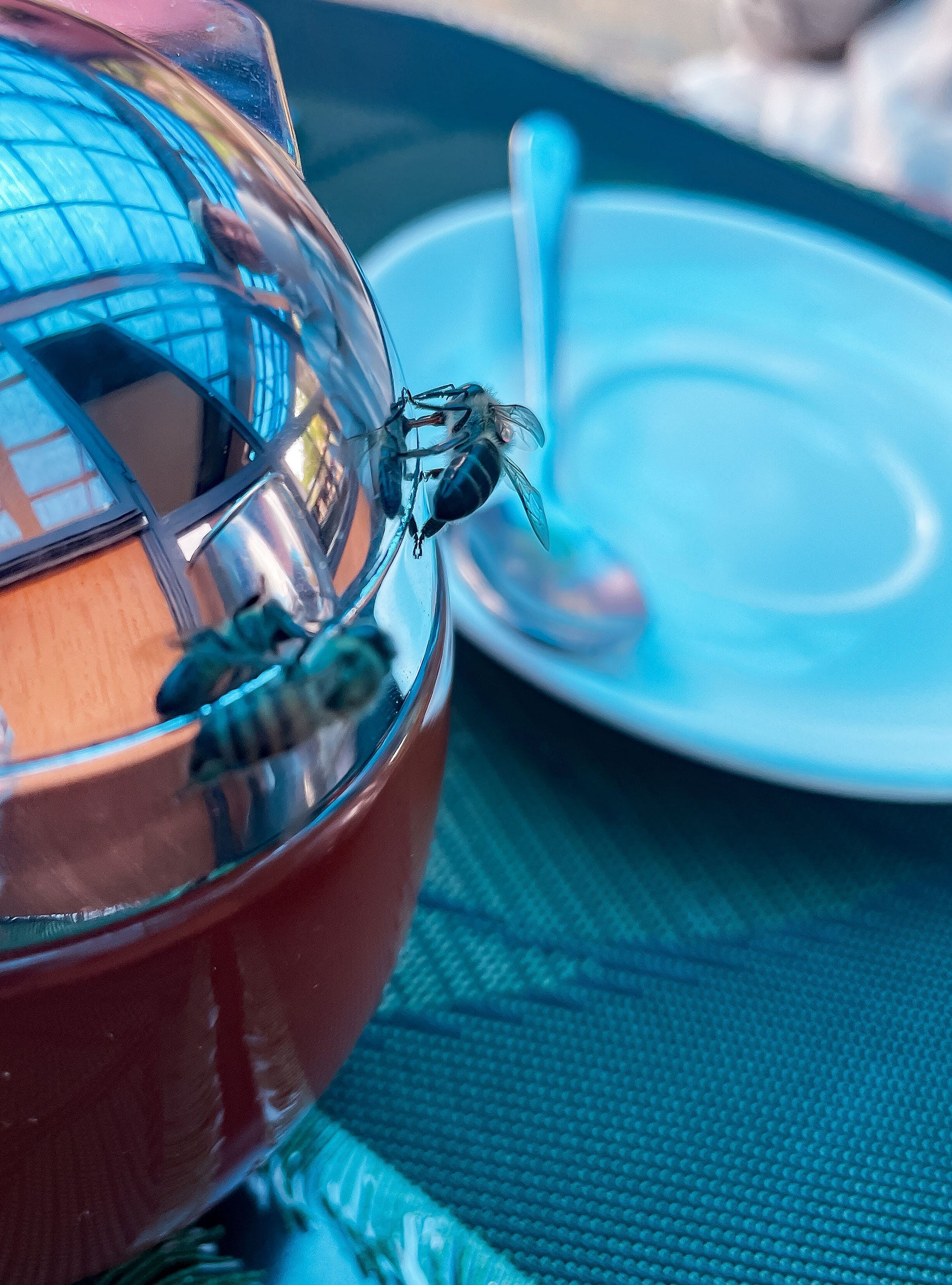
Stop for a coffee and leg stretch after a couple hours. Samosas for breakfast? Why not? And they are delicious as is the Ugandan coffee. We were to soon learn the utter gastronomic delight that is Ugandan cuisine. Honeybees gather around the honey jar reminding me of my time in Peace Corps working with the Africanized version (a hybrid of the European and African bees).
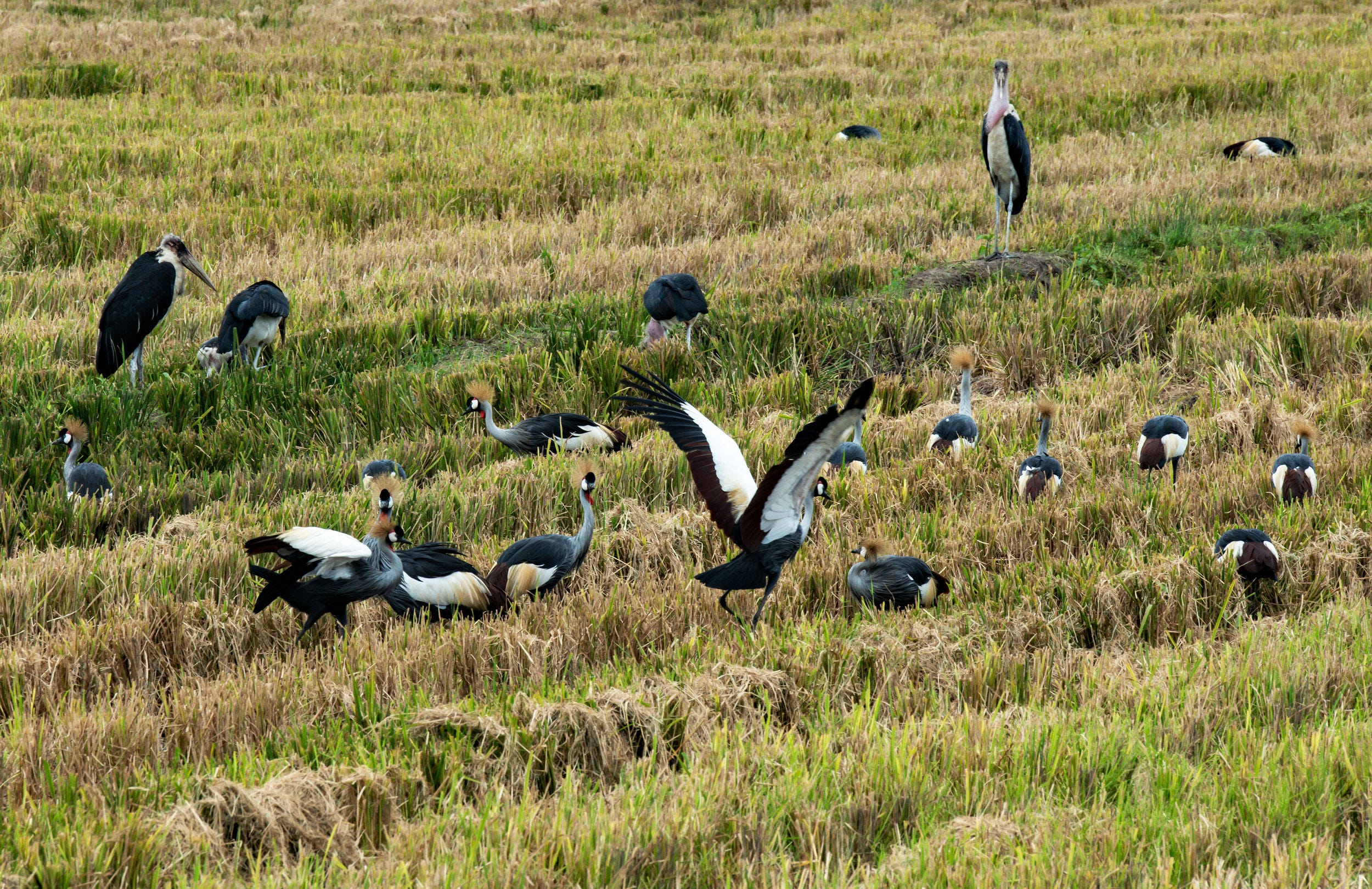
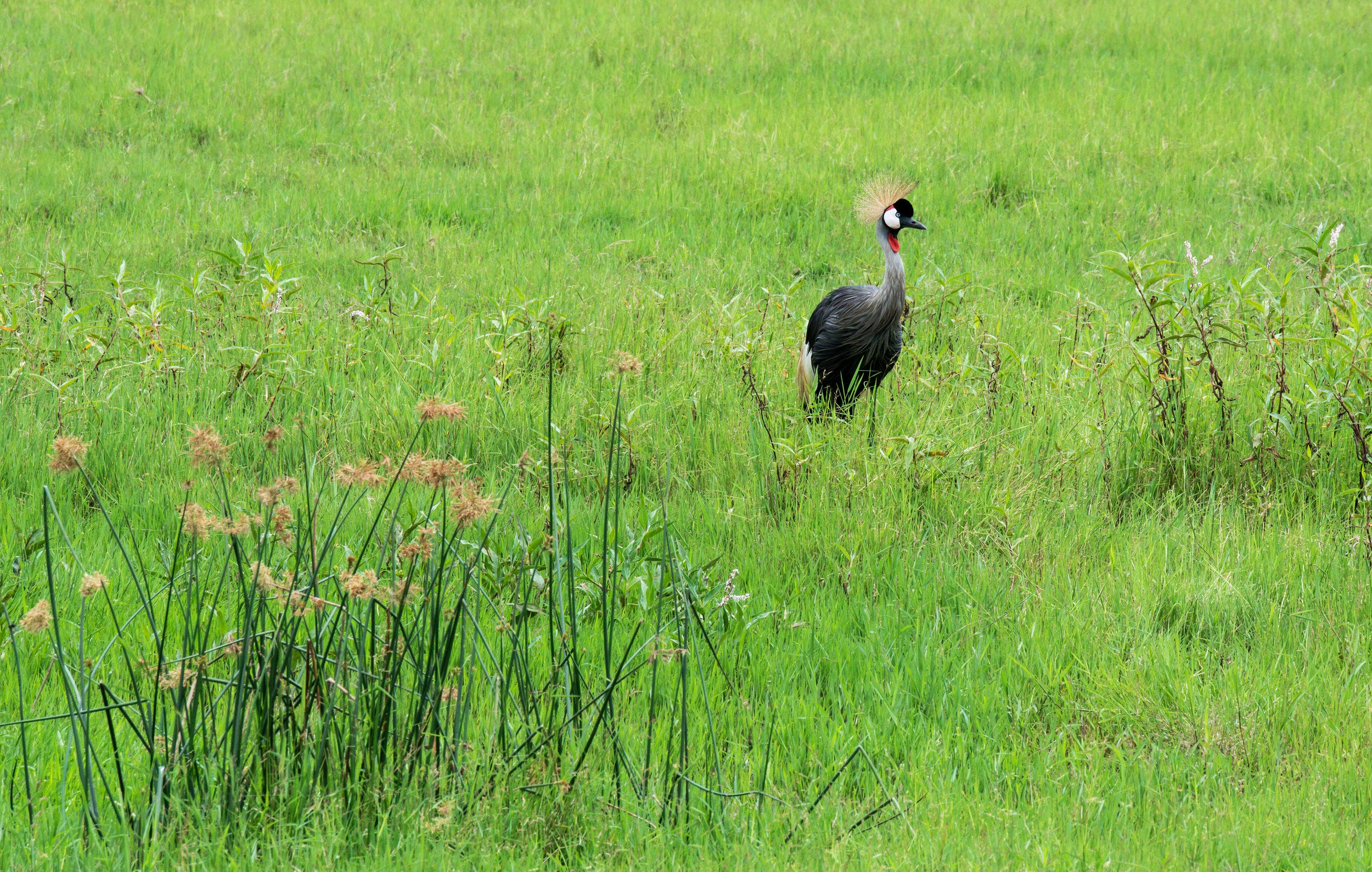
Heading on down the road we see “villages” pop up every few miles. Random collections of stores, repair shops, clothing outlets, and restaurants line the highway briefly and then disappear. The highways contain speed bumps situated every several hundred meters. Further on, we stop to photograph birds in a rice field. Uganda’s national bird, the Grey-Crowned Crane gathered by the dozens.
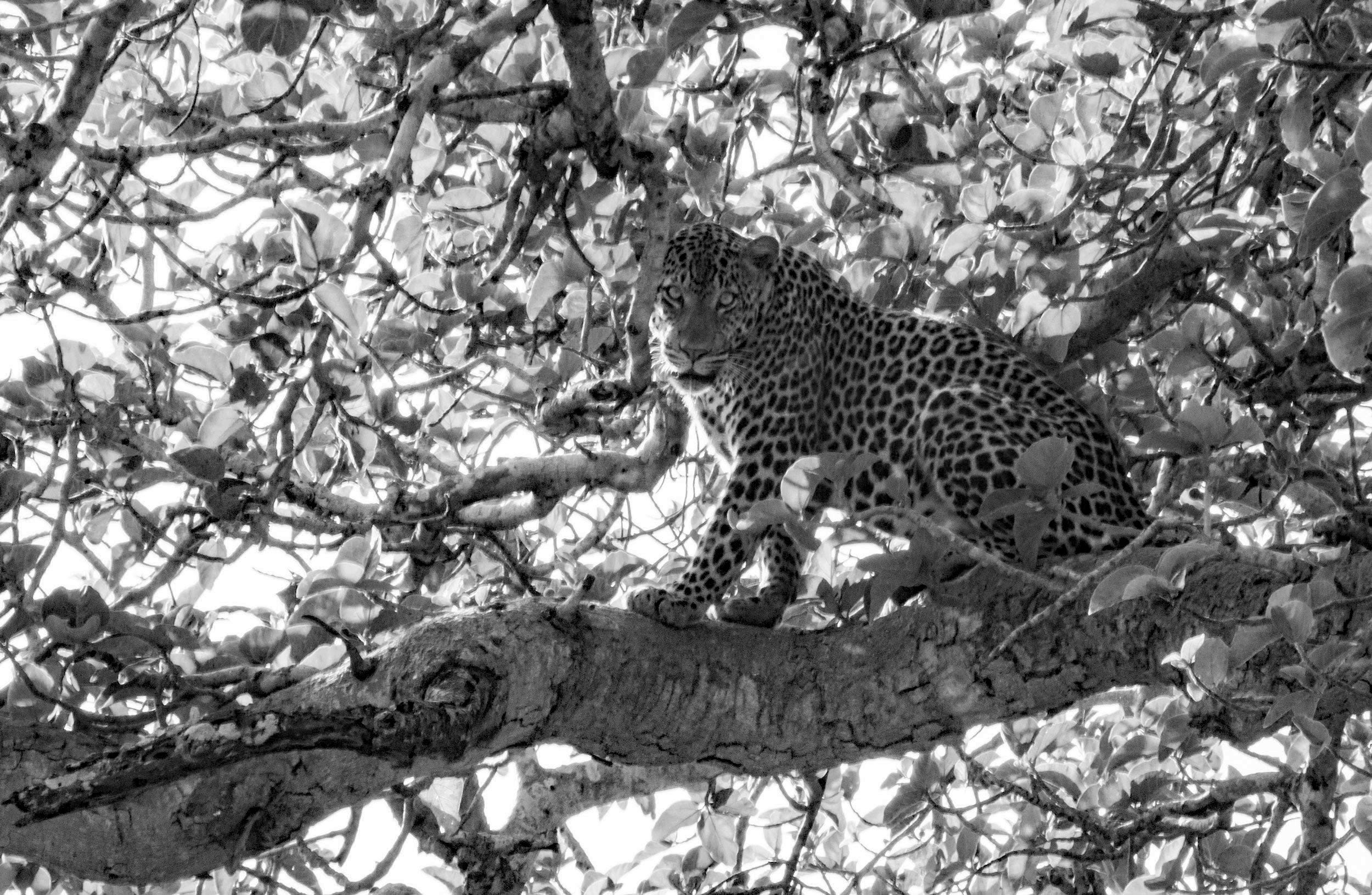
We’ve been driving through Queen Elizabeth National Park for hours stopping at, as Fred says, “every fig tree in the area.” The figs have long, broad branches where they like to hang out but, alas, no lions. Queen Elizabeth’s Ishasha sector is famous for its tree-climbing lions. The behavior is limited to about three dozen individuals, and several theories attempt to explain it: a perch to prey on kob, escape from Tsetse flies, catching cooling breezes in the shade. Nonetheless, our search had been fruitless. Until.
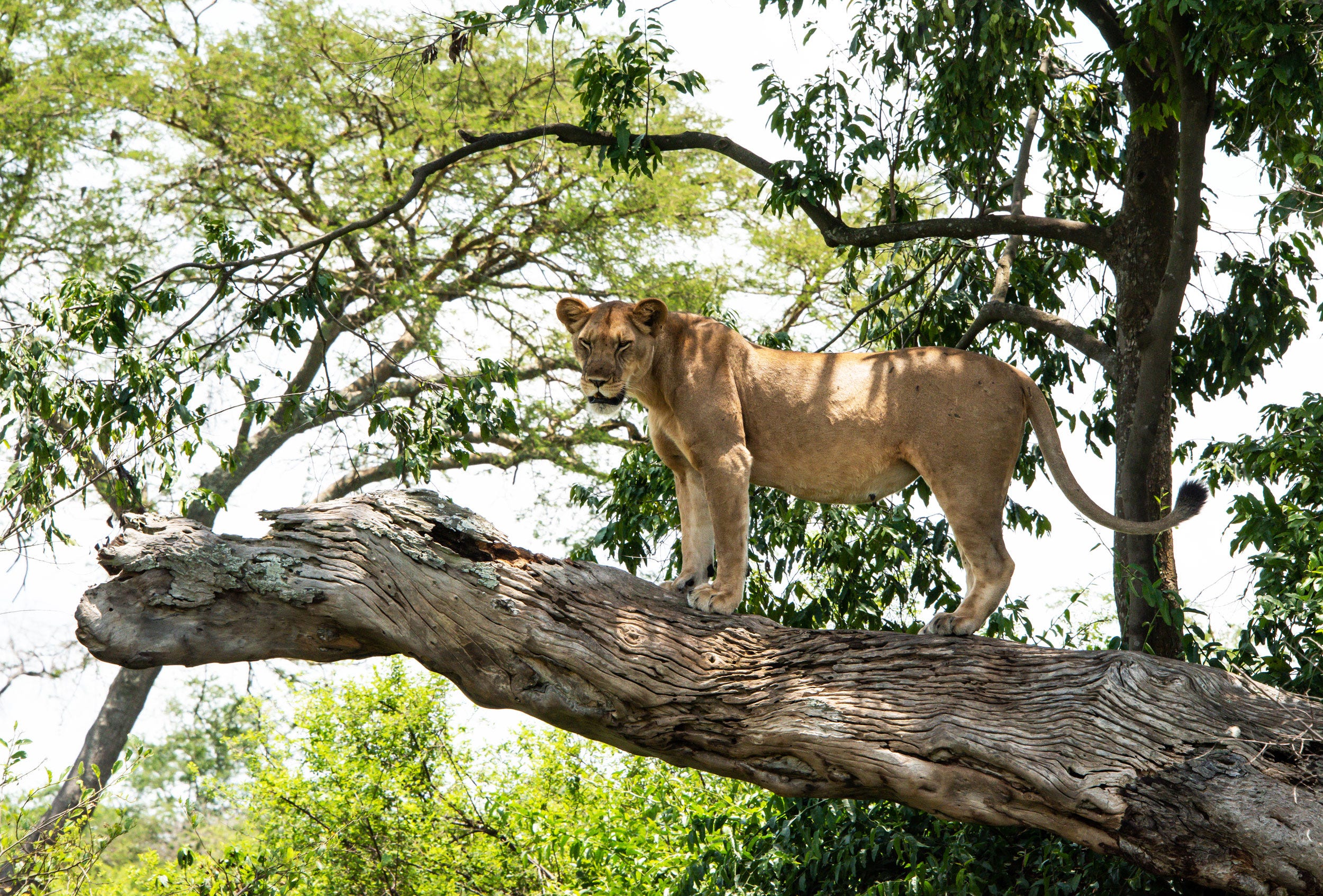
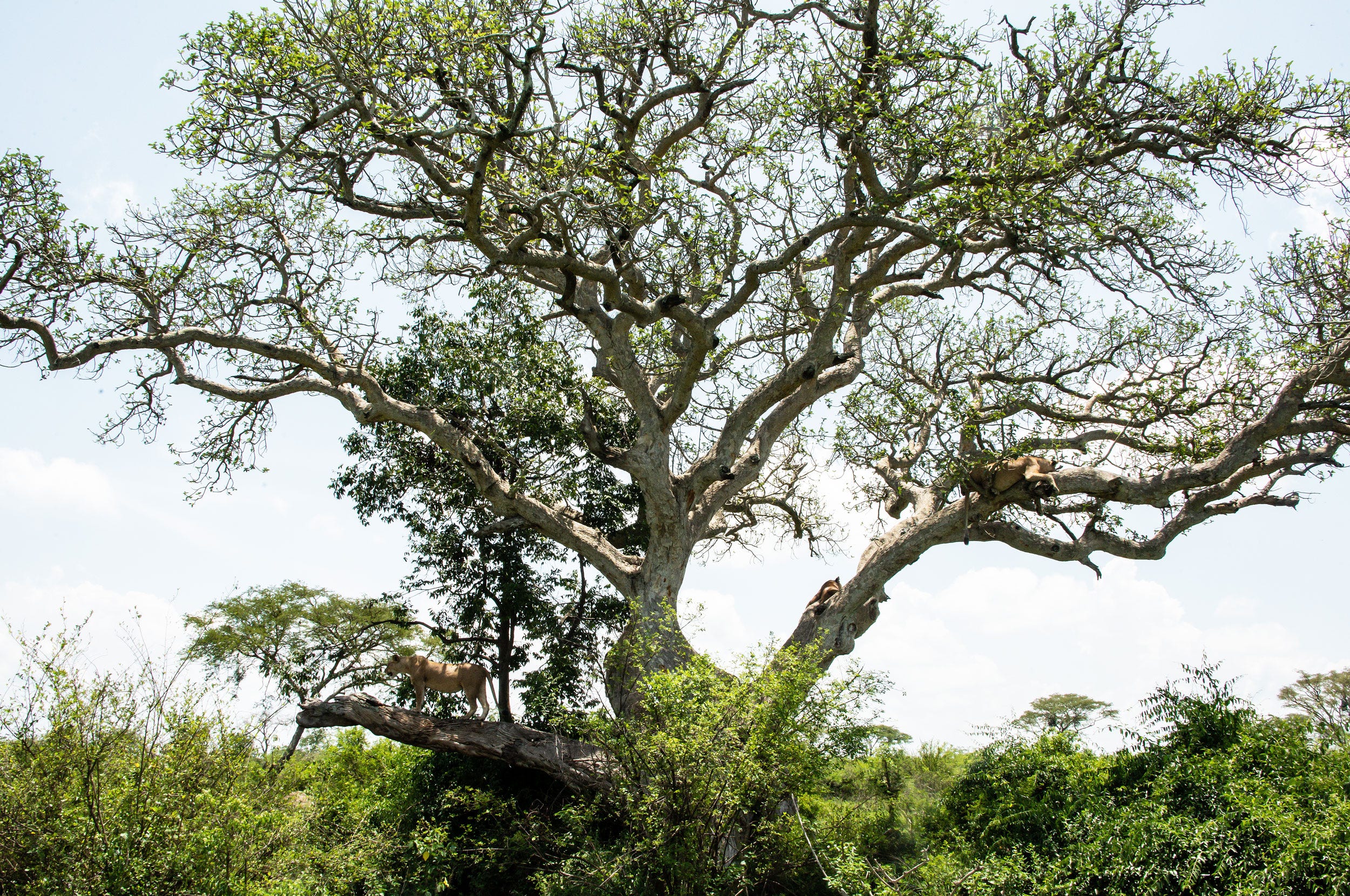
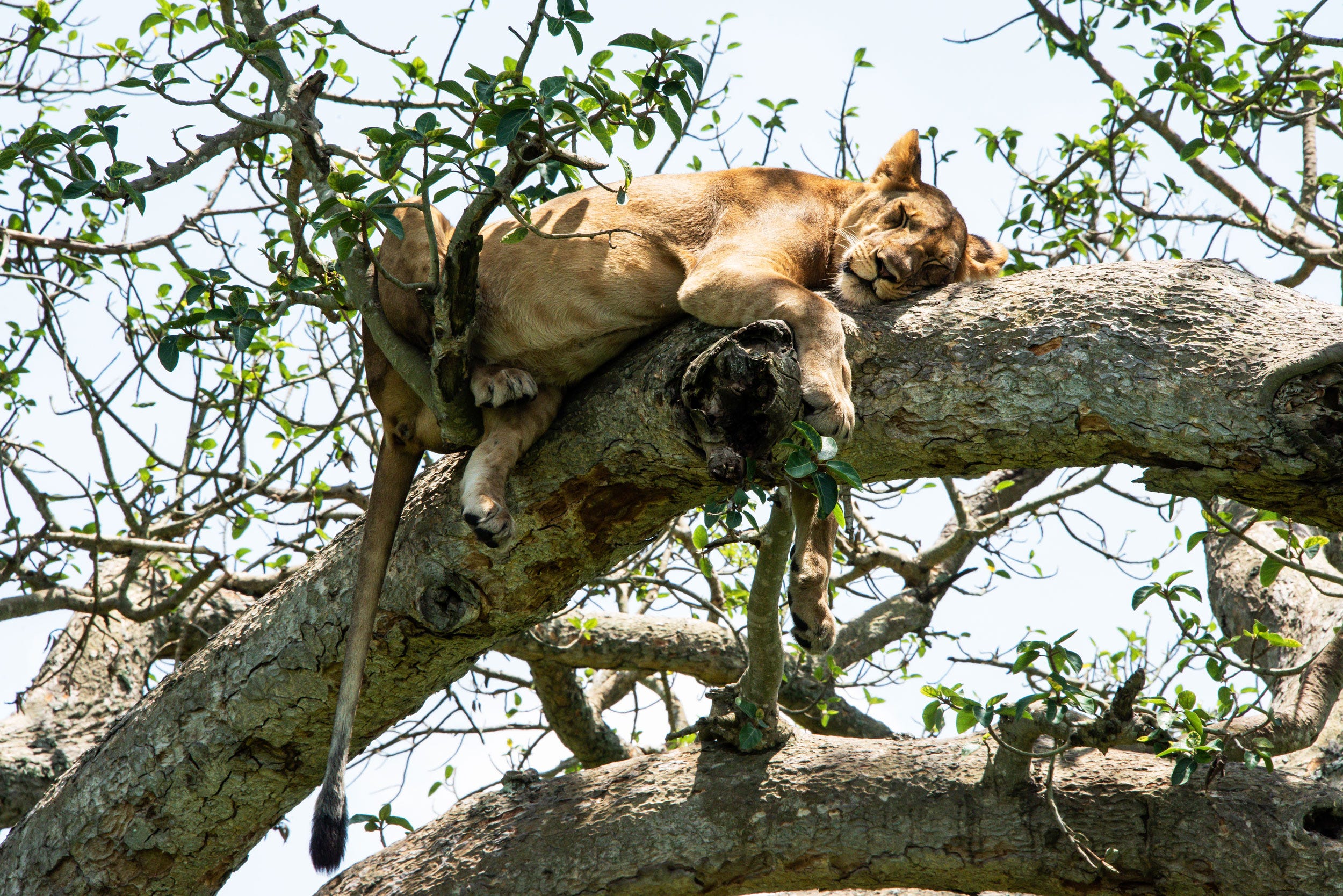
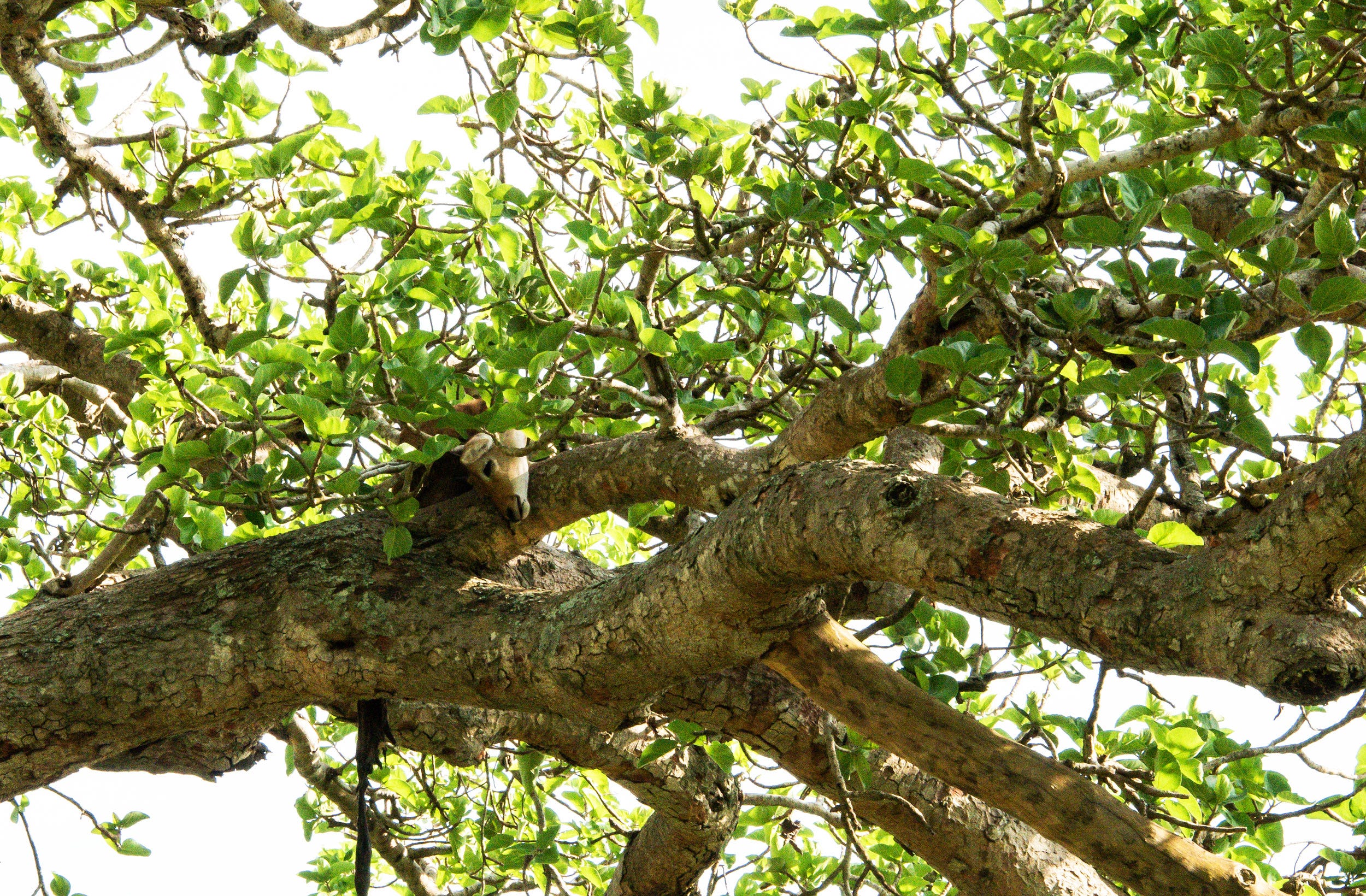
Driving slowly by another massive fig tree, you spy what looks like a hanging tail nearly directly above. Sometimes something seems so out of place, the surrealness short circuits your brain and you wonder why a dead antelope is in a tree. That’s when you see the leopard…and thirty seconds later it’s vanished, effortlessly bounding down the trunk into the brush. But you got the picture.
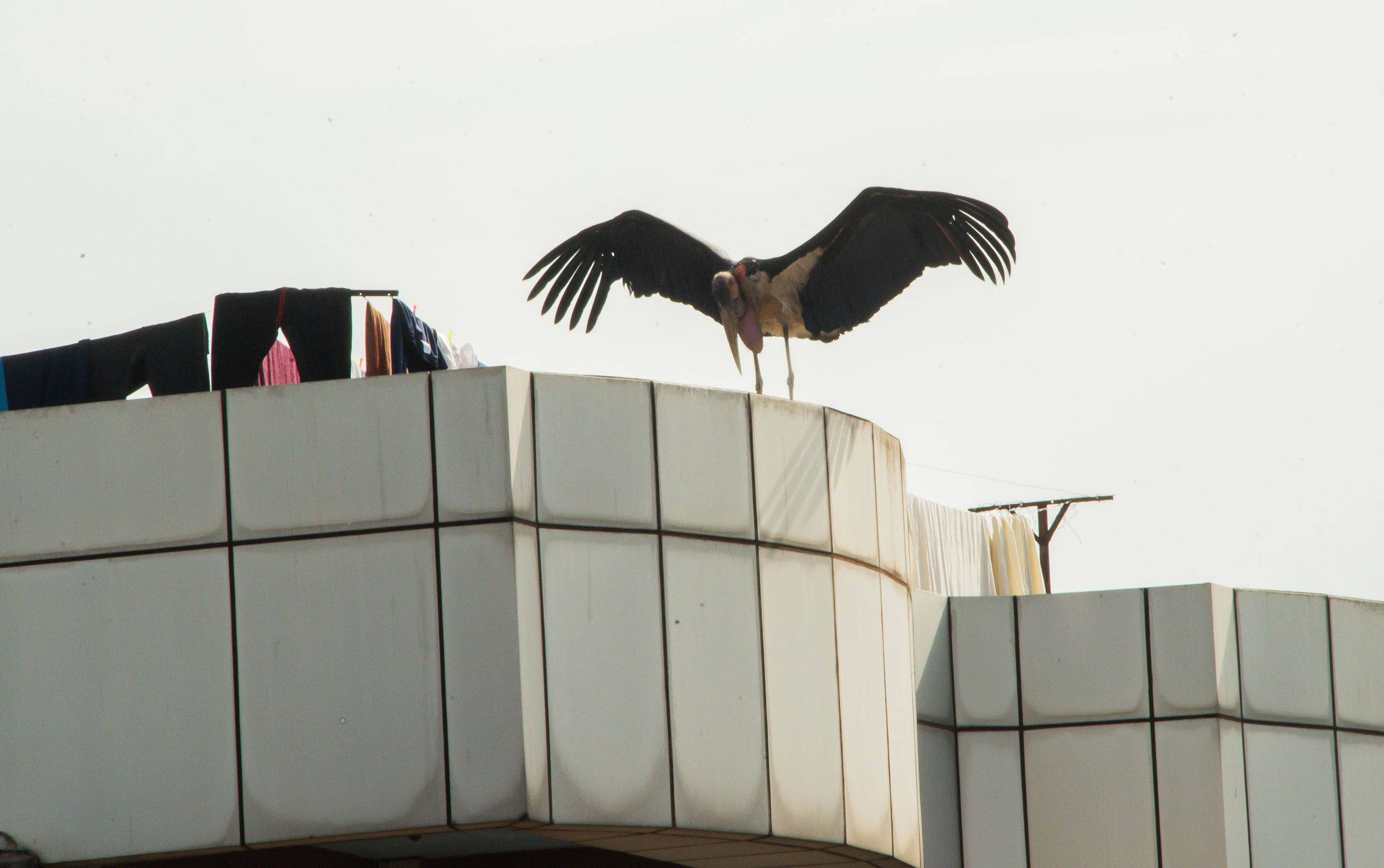
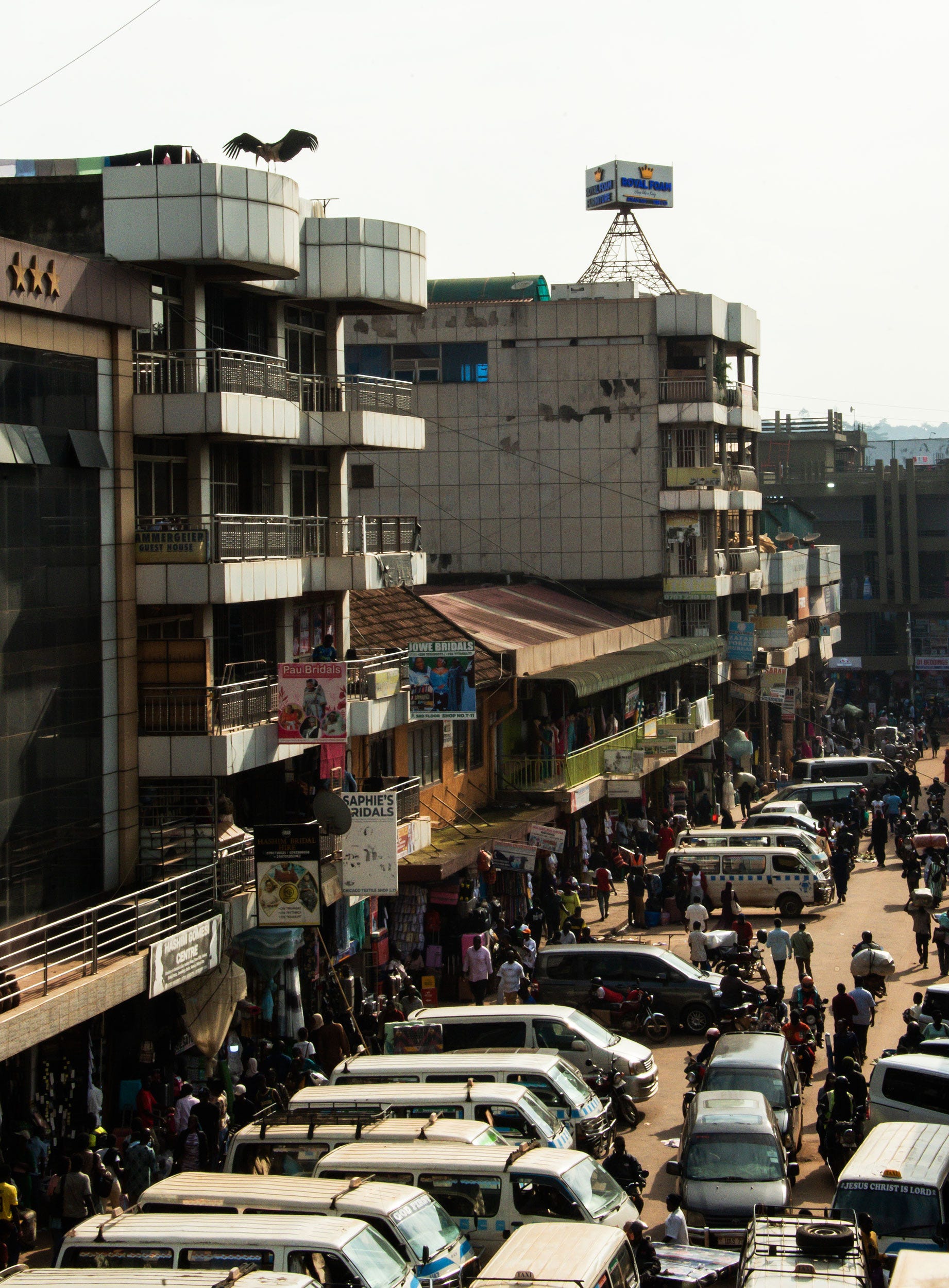
In recent years I’ve begun to notice birds more. Not exactly a birder but perhaps my childhood obsession with dinosaurs, from which birds descended, may offer an explanation. In U.S. cities we have plenty of songbirds, pigeons, doves, and LBBs (little brown birds), but in Kampala we were surrounded by buzzards, Marabou storks, and fierce-looking raptors. Wondrous, and astonishing, to see these big birds floating above tall buildings just out of reach of the flocking humans below.
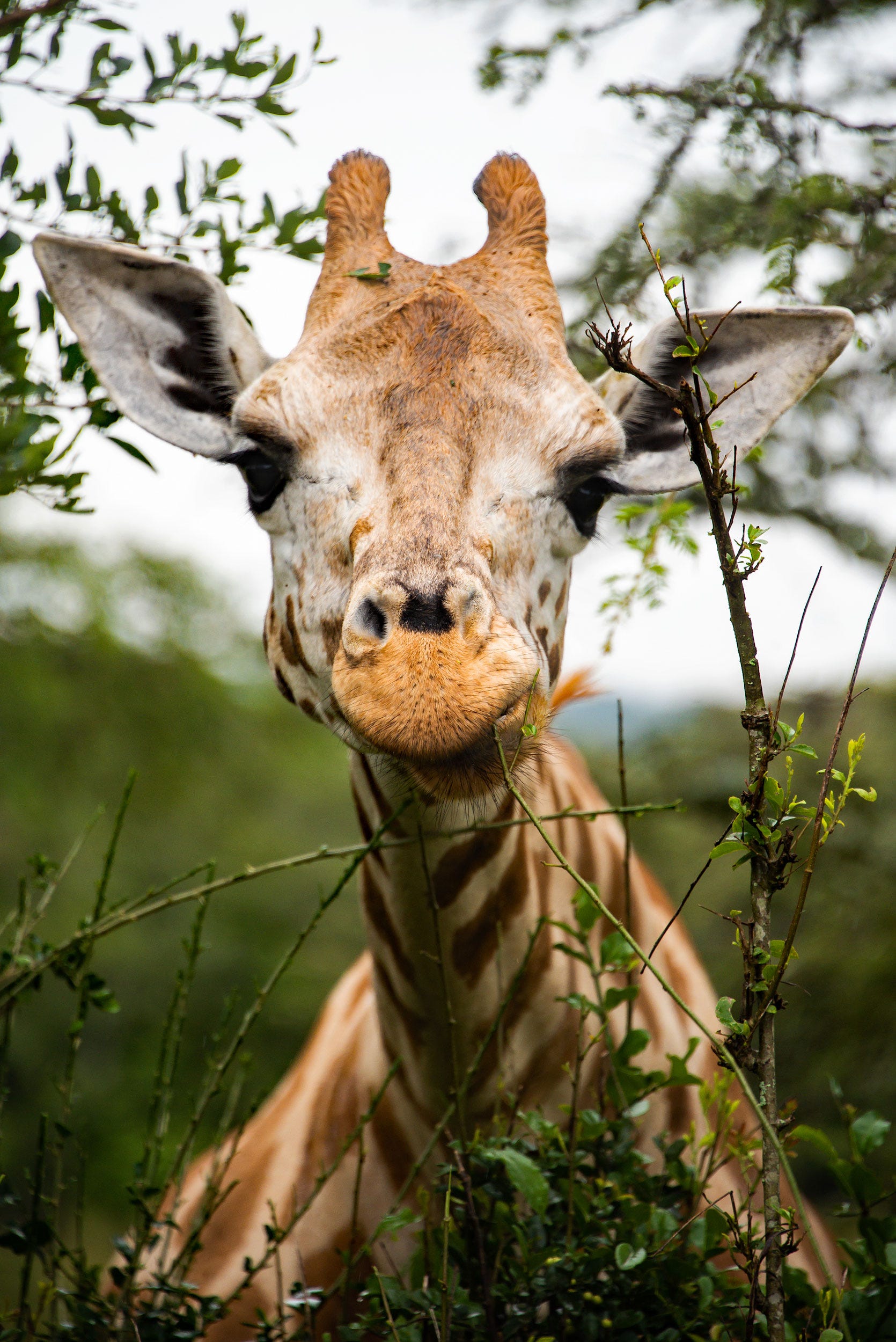
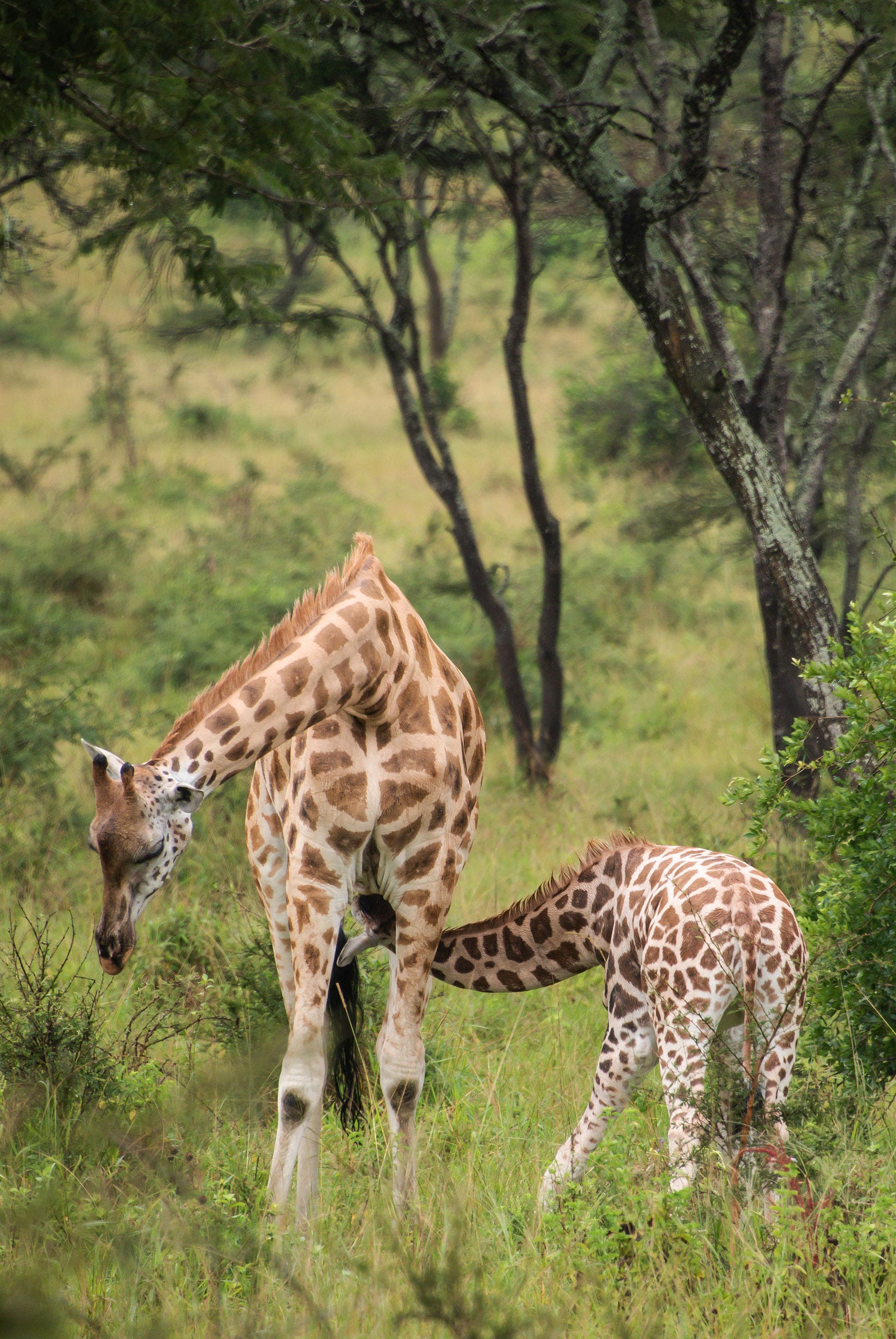
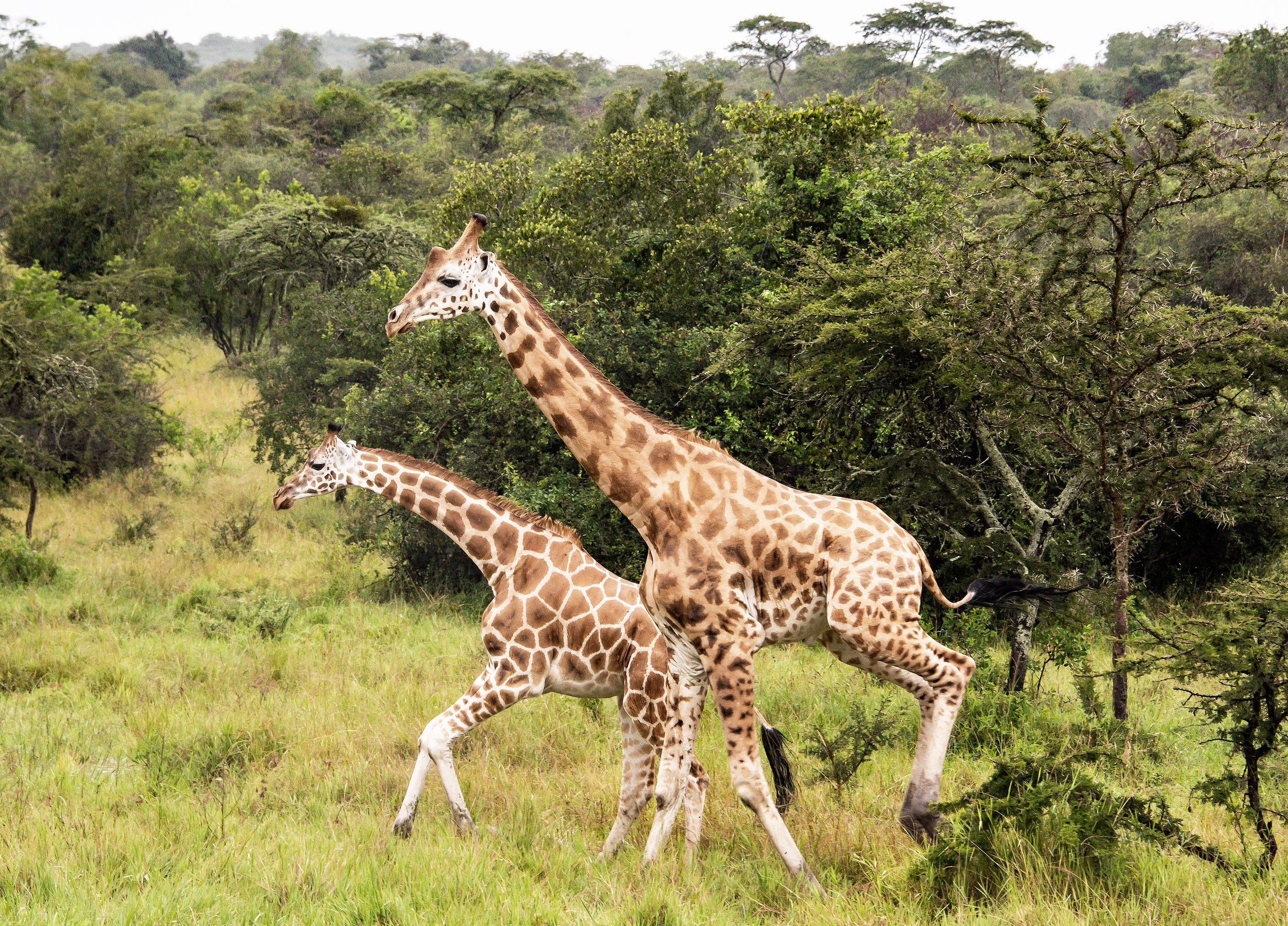
We had been hoping to witness herds of giraffes gallumping across the savannah, dozens in unison. That wish never came true, but being surrounded by these lovely creatures was just as satisfying. I can’t think of any other animal so contradictory in nature: gangly but graceful, speedy but steady, imposing but intimate.
Two things about photography: 1) a photographer must learn when to lower the camera and instead soak in and experience the scene unfiltered, through the mind’s lens and, 2) quiet reflection allows ideas to percolate and emerge, a part of the creative process even with the camera turned off and snugly packed away. I may have missed capturing a few images (in fact, I know I did) but living in those moments more than makes up for any lost photographs.
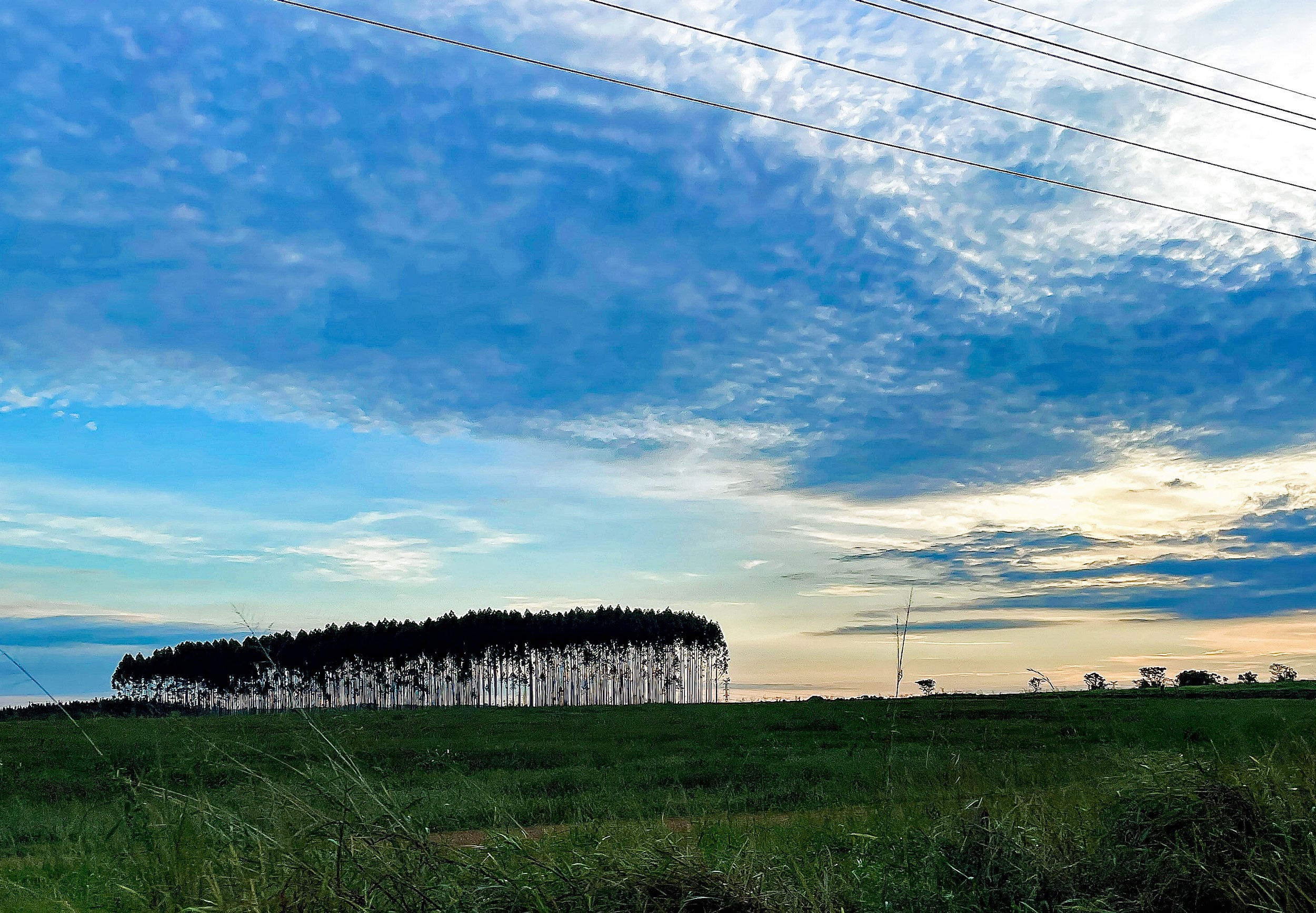
Traveling through the Ugandan countryside with the camera set aside gives one plenty of time to process the experience. My mind wandered, as it so often does, to the nature of photography and why I’m so enamored of it. As a grad student, I used photography as one method to tell the story of an indigenous group, the Tawahka, with whom I lived while conducting field research. Among the concepts about which I learned was carrying capacity, the ecology of how populations bring pressure to bear on one another. For the Tawahka, a direct correlation could be demonstrated between their ability to manage natural resources, their territory’s size, and the numbers and diversity of the forest products they used.
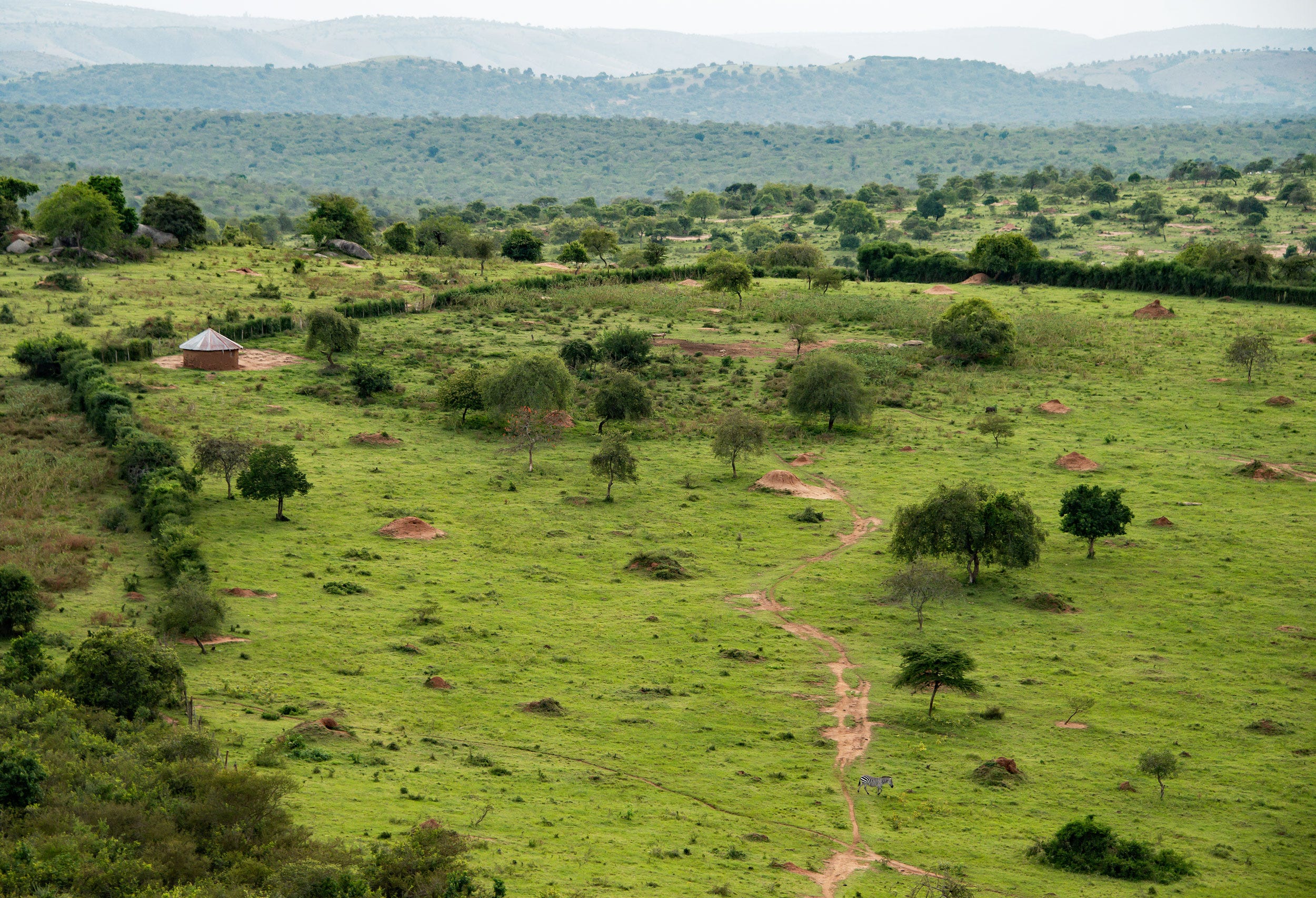
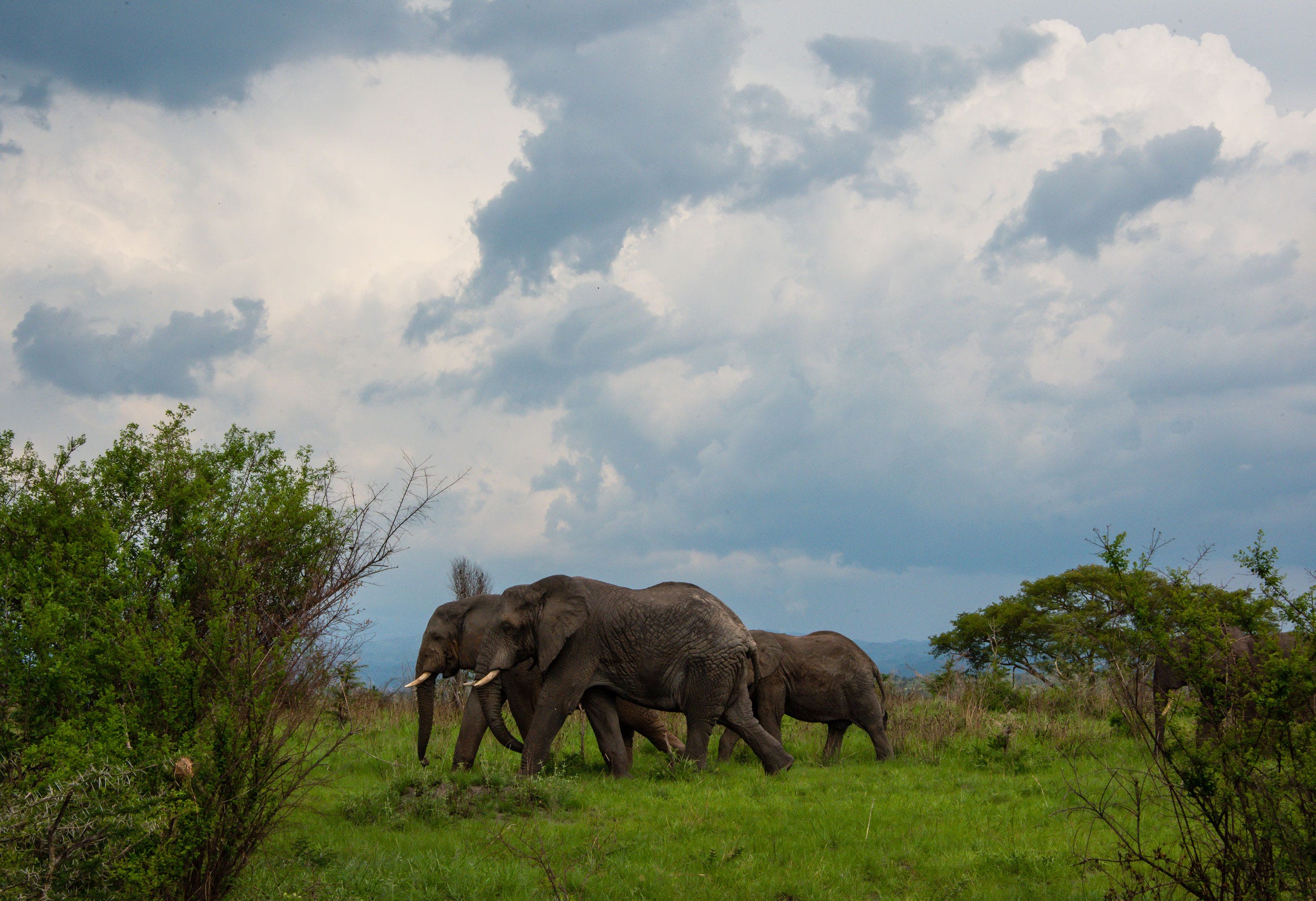
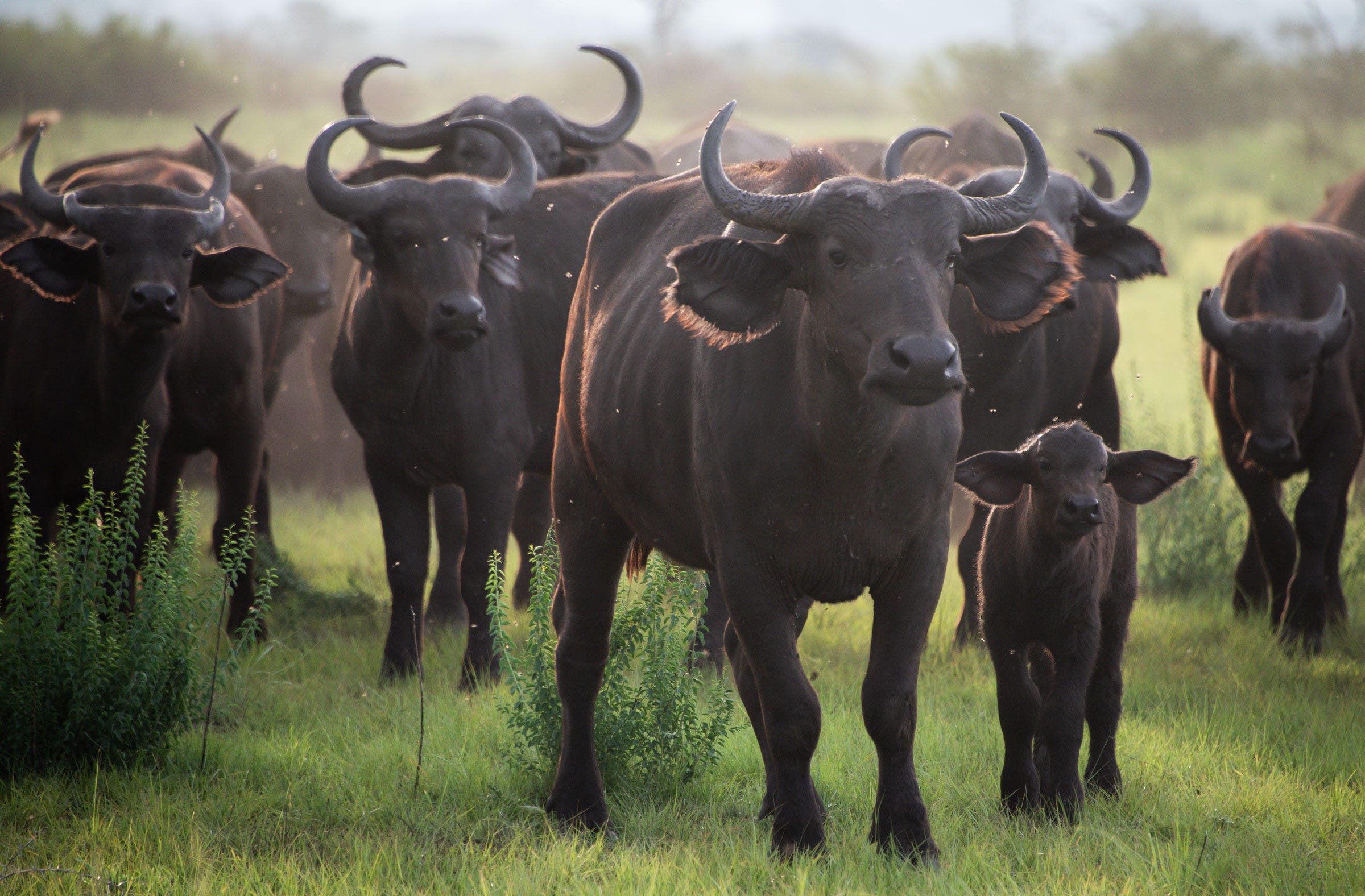
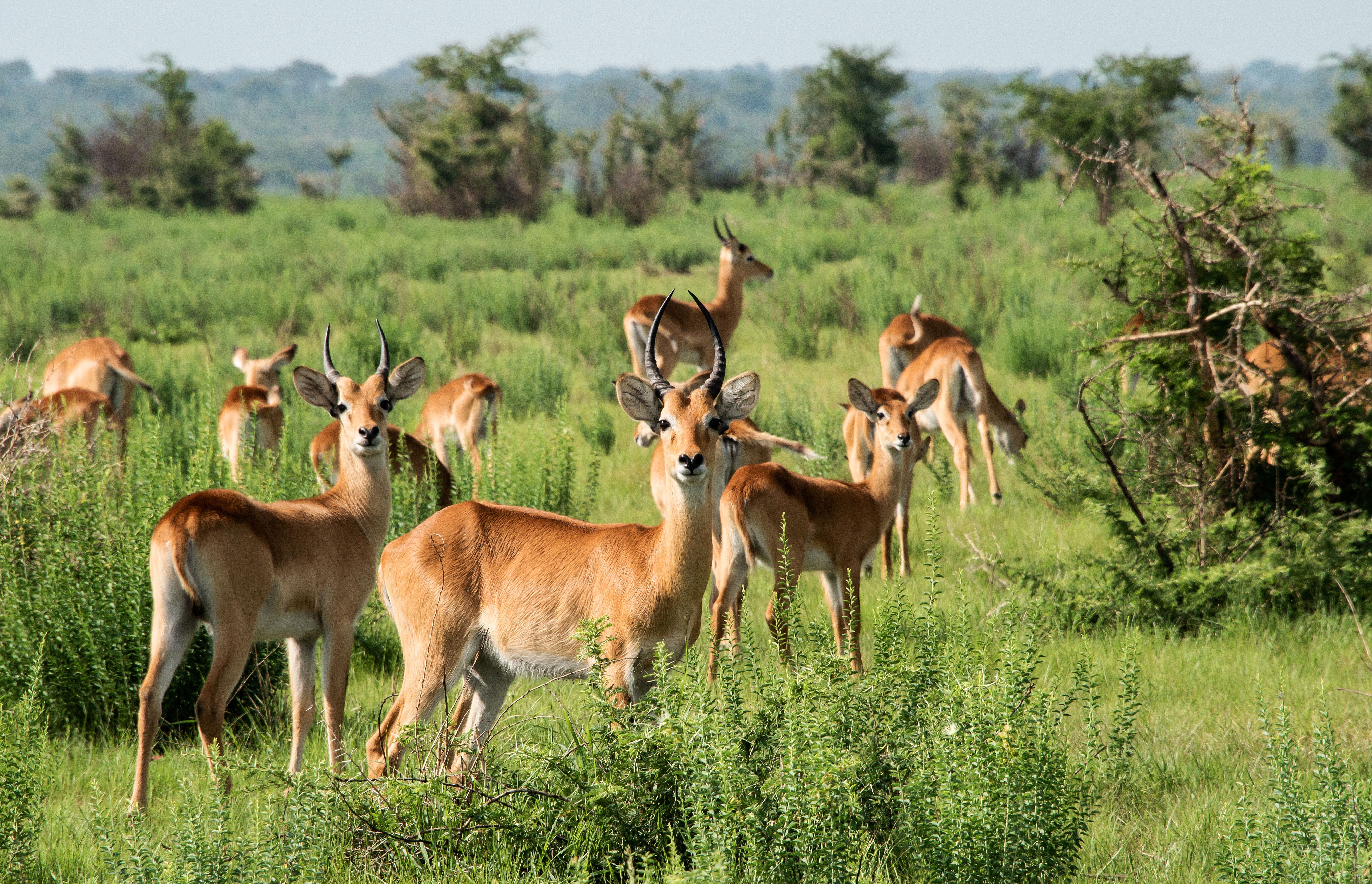
In Uganda (and previously in Tanzania) I was struck by the seeming disproportionality of “protein packets” (my term for the millions of antelope, kob, wildebeest, etc.) that provided the main food source for the relatively small number of predators. But once I realized how much land the animals require and the difficulty predators face in securing kills the relationship began to make sense. Carrying capacity is affected, sometimes severely, when populations of predator and prey shrink or expand, a dynamic that became abundantly clear during game drives. Further, habitat fragmentation--cutting off migration routes and disrupting wildlife feeding patterns—isolates animal populations and results in excessive inbreeding, human/wildlife conflicts occur more frequently, and natural resources disappear as a region’s carrying capacity declines.
As the literature documents increasing issues with wildlife management, so-called ecotourism, and conservation versus human wants and needs, I wondered whether I, even as a conscientious traveler, was part of a solution or simply another aspect of a larger problem. Sure, I helped employ a local guide, frequented local businesses, modeled respectful, cheerful behavior, and in the presence of wildlife, acted ethically and deferentially. Yet, I was still part of an industry that while well-intentioned, can still nonetheless lead to abuses and harm.
I don’t consider myself a wildlife photographer but if I were to choose a label, nature or conservation photographer might be more accurate. I’ve talked before about the arrogant expectations of safari photographers and I encountered another one on our recent gorilla trek. Photography, at its best, takes the photographer out of the picture, so to speak, and centers the subject, illuminates the experience, and portrays a moment in a story stretching both into the past and future. Conservation photography places the environment, animals, plants, and host country people as the narrative’s focus (no pun intended). It then becomes a tool that conservation managers, government agencies, environmental educators, and policy makers can use to make informed decisions. Perhaps most importantly, though, conservation photography issues a call to action, if only to respect the planet and all of its inhabitants.
(All photographs copyright Mark Caicedo/PuraVida Photography)