
Eyes
PuraVida Post Two

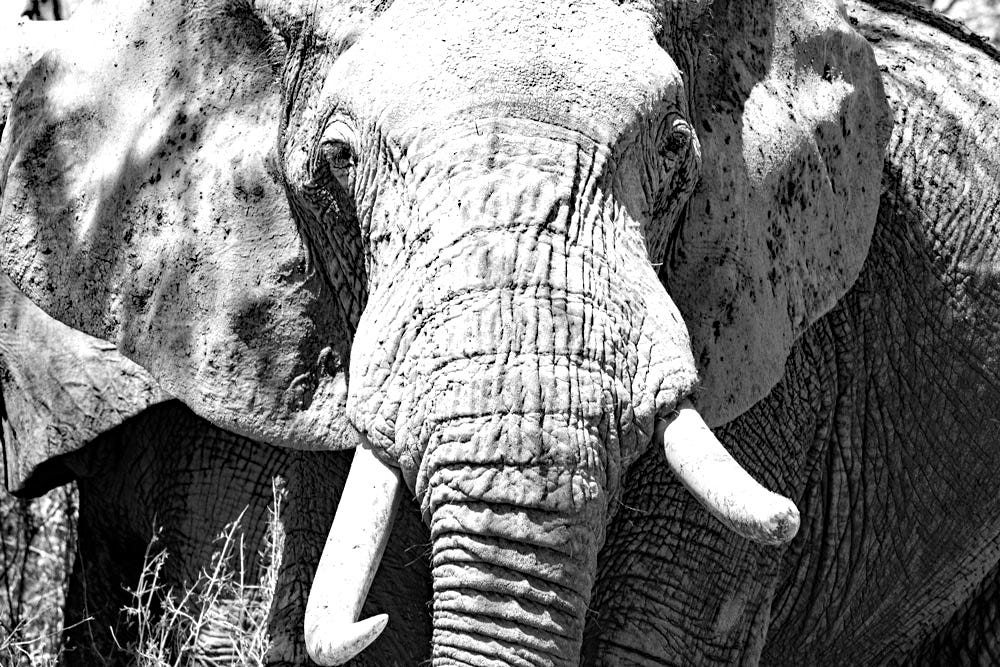
“If you don’t see their eyes, the shot’s not worth it.”
I often hear it said that “eyes are the windows to the soul.” Conventional wisdom says that portraits require featuring eyes. Eyes provide drama, mystery, and a portal into the subjects’ thoughts and inner secrets. Though capturing detail is important in an image, so is mood, texture, composition, and, I would add, ambiguity. In other words, what you don’t see in a photograph is important, as well.
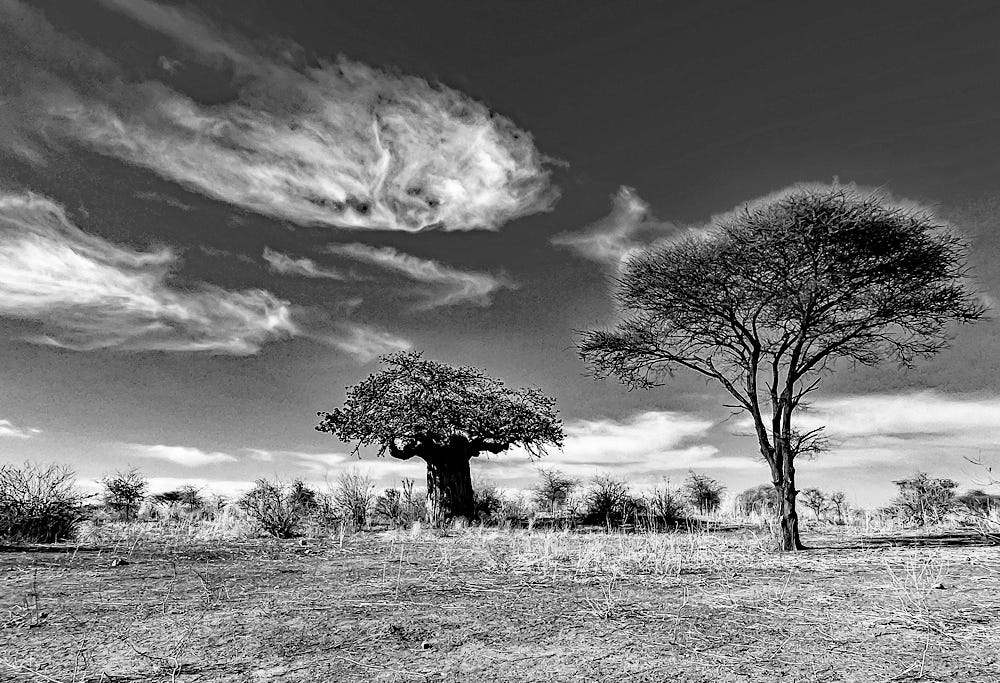
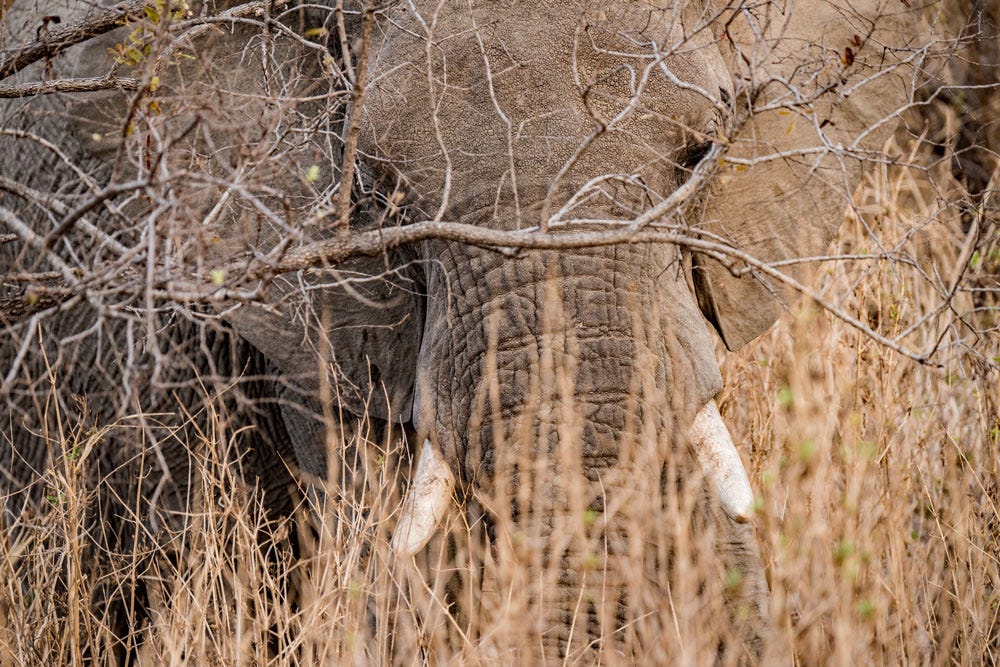
While travelling in Tanzania some years ago we met a couple whose advice was that taking pictures of animals only mattered if the eyes were plainly visible. While photographers can debate for hours on what constitutes a good photograph, I found the couple’s advice a little off-putting for a couple reasons. First, well, of course. Getting as much detail as possible in a photo is important and peering into a subject’s eyes can help accomplish that. Secondly however, many compelling images focus not on the eyes, but other, just as critical attributes. The eyes (to coin a phrase) don’t always have it.
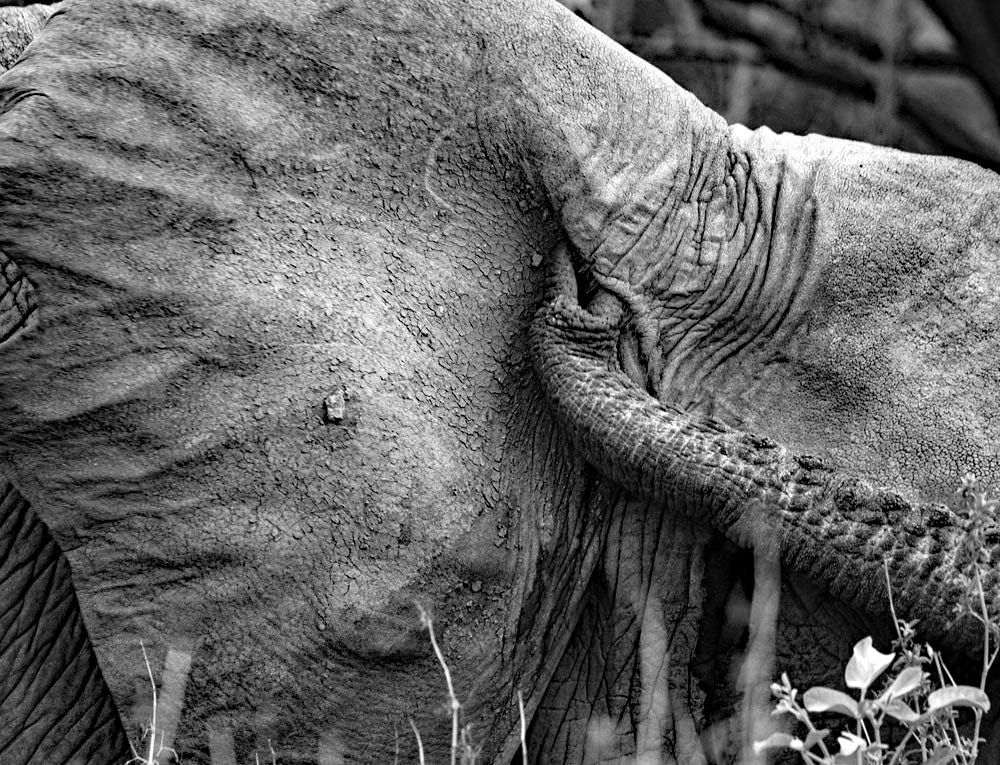
Human beings rely on vision, more so than any other sense, to navigate the world. Aristotle said, “All men by nature desire to know. An indication of this is the delight we take in our senses; for even apart from their usefulness they are loved for themselves; and above all others the sense of sight.” One theory about the development of human vision says that when we descended from the trees and learned to walk upright, our stereoscopic vision became more acute to survey the savanna for food. And predators. But soon (if you count several millennia as soon), our ancestors were making visual art on cave walls and our eyes were being used to tell, and learn, stories of survival.
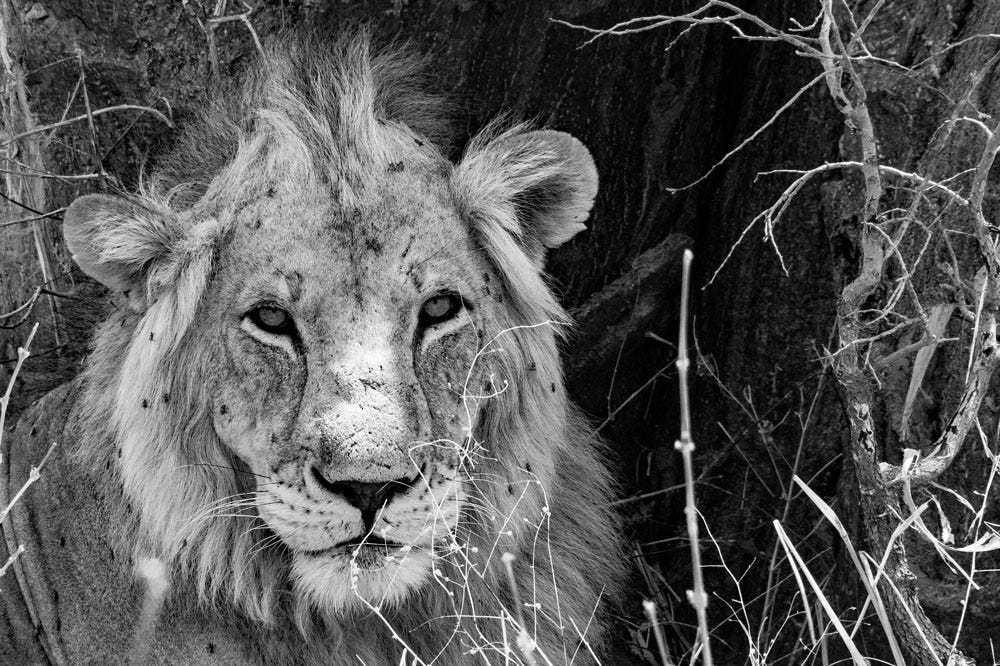
Noted neurobiologist Susan Greenfield points out, however, “that we humans, and indeed all other animals, see not with our eyes but with our brains.” It’s no wonder that eyes are essential in portraiture because often they attract the viewer’s attention first. Yes, the eyes draw in the viewer, but an image’s other, less obvious elements can broaden its appeal; elements our brains tell us are also important; color, tone, contrast, composition, etc.
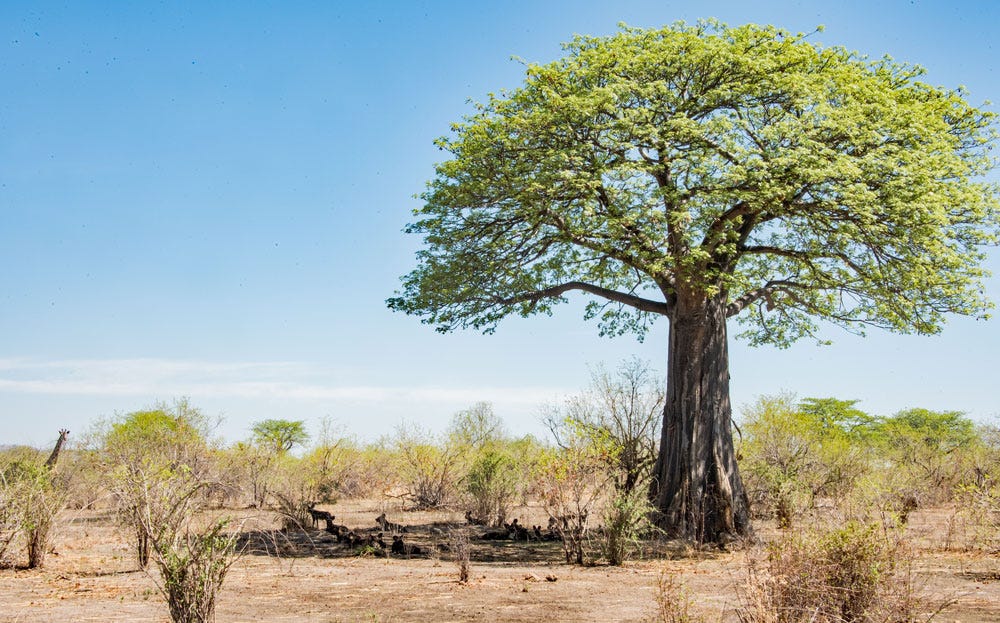
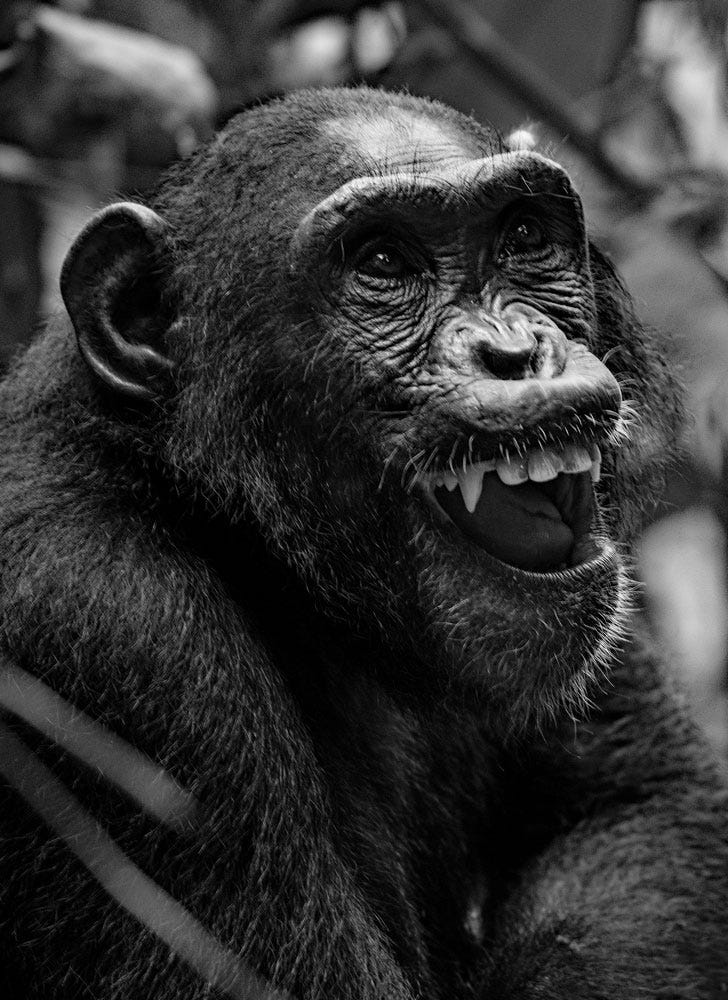
Some of these portraits focus on the animals’ eyes but what the pictures do not show, however, is the depth of feeling, the emotional impact of being in such proximity to a wild animal in its habitat, on its turf. Walking amongst creatures that, out of self-defense, would just as soon stomp, trample, or rip you to shreds is a sobering and humbling experience.
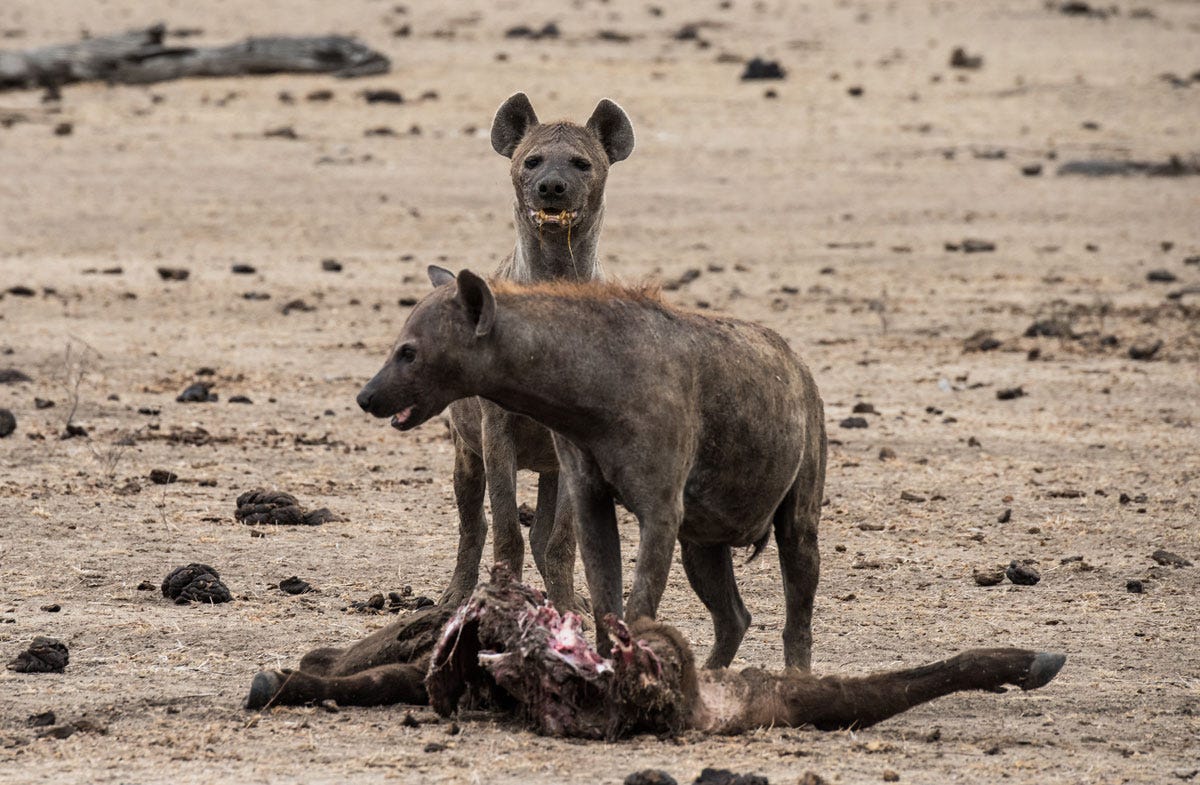
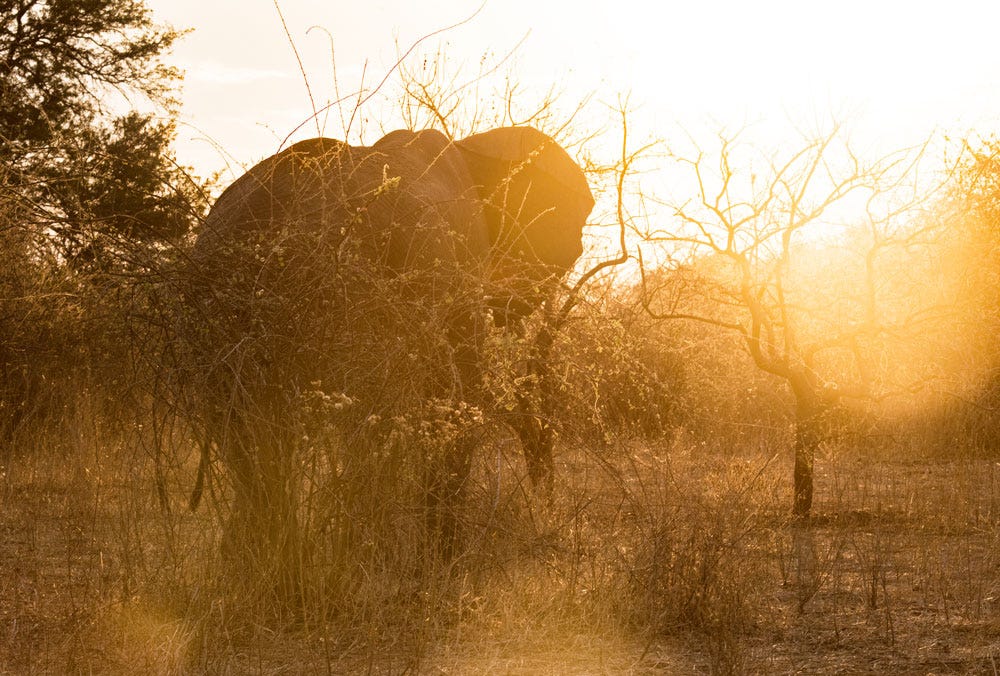
As you might imagine, the nature and wildlife photography opportunities in Tanzania were spectacular. Using a 400 mm telephoto lens allowed me to zoom in on the eyes. But when you pull back and survey the landscape other details become apparent: the light, vegetation, other animals, and topography for starters. Therein lies the ambiguity of still photography: its ability to elicit emotion. The emotions that arise from a photograph; wonder, fear, or joy, tell stories that are different for each person. Simply focusing on the eyes limits a photograph’s ability to reveal a story. Truly telling a photographic tale demands that we see with our brains. And isn’t that the point of writing with light?
More later.


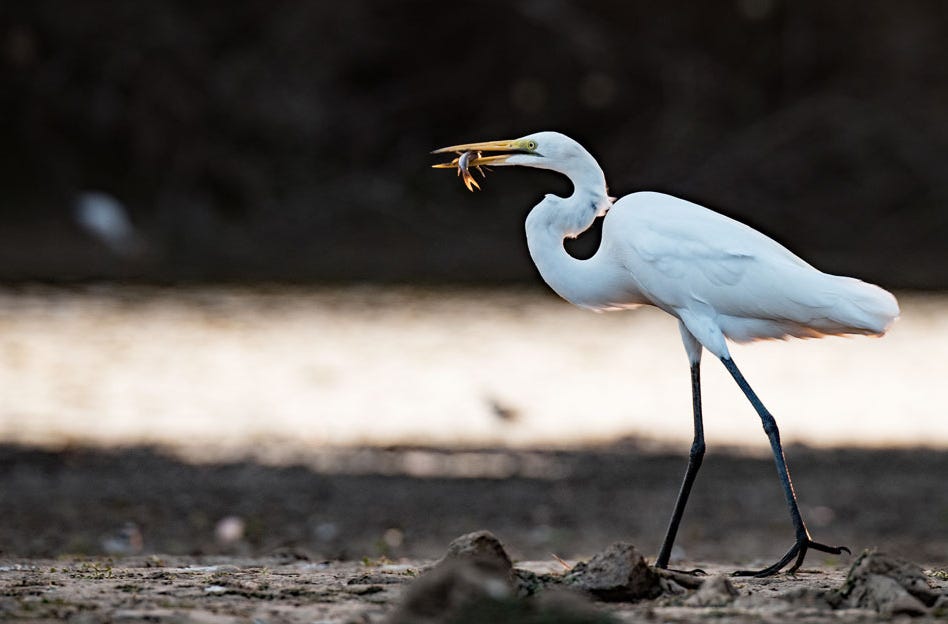
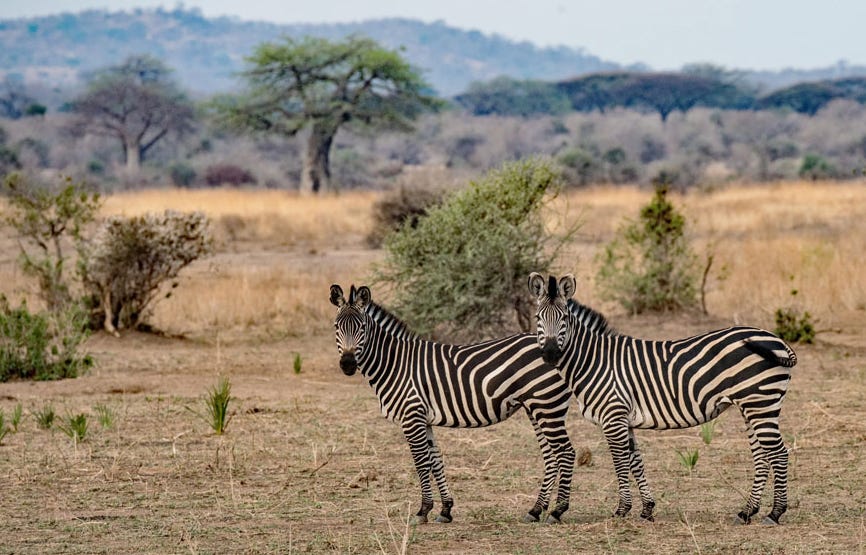
All photos @Mark Caicedo/PuraVida Photography