

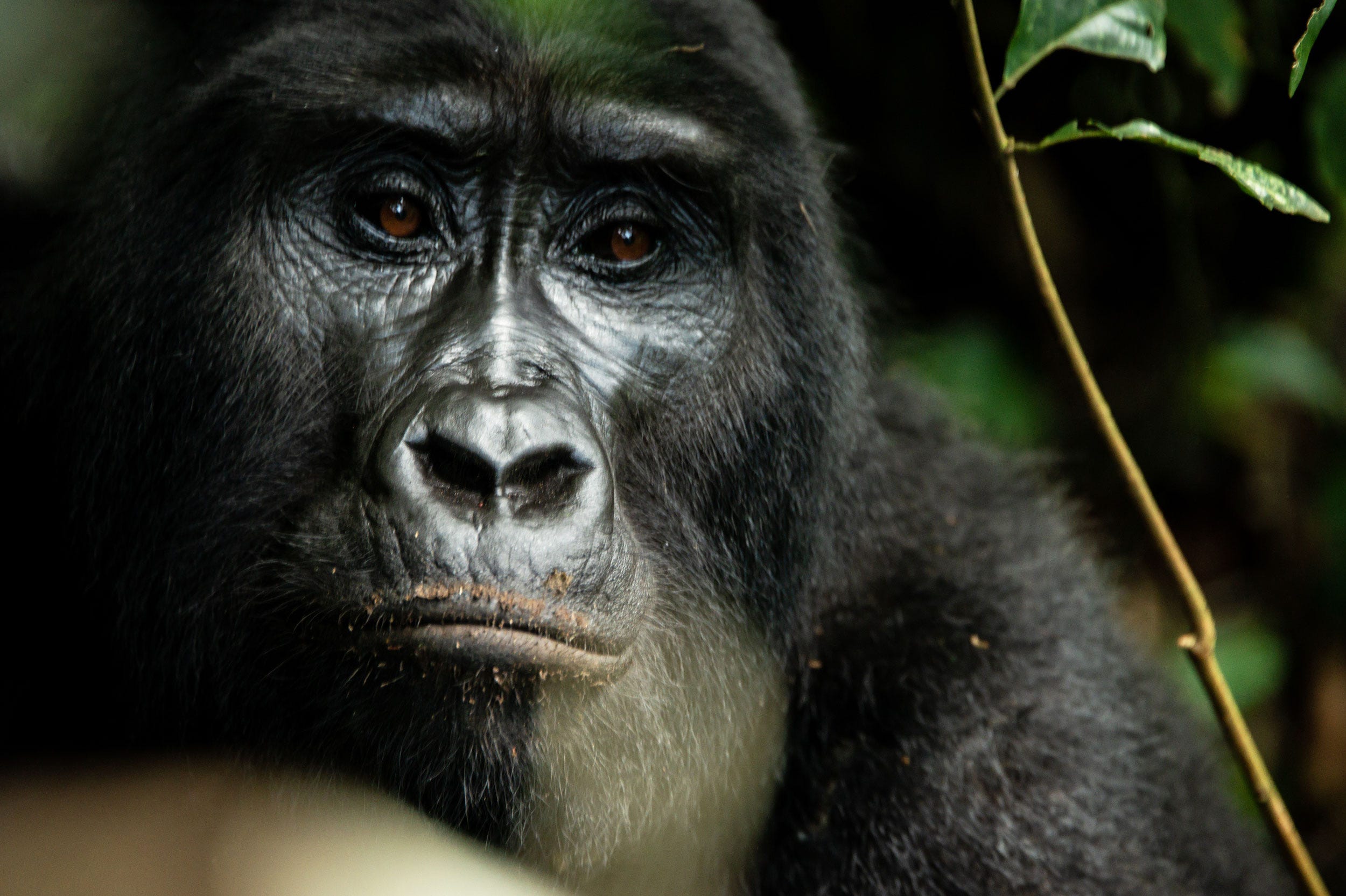
I didn’t realize that gorilla trekking in Uganda would bring up many ethical, and personal, questions about conservation, tourism, and my own role in that industry. “Conservation tourism,” if we can call it that, comes with myriad benefits but numerous pitfalls, as well. The good news is that mountain gorilla numbers have been rising over the last several years, mainly due to conservation tourism and the relative cessation of armed conflict in the region. However, that fragile intersection between altruism, conservation, and economics could collapse unexpectedly and catastrophically.
Uganda’s safari tourism market in 2024, while hosting over 1.37 million arrivals was valued at approximately USD 1.28 billion, or about 6% of Uganda’s GDP that year. Furthermore, according to Uganda’s Wildlife Authority (UWA), in 2023 gorilla trekking generated over $30 million in direct permit sales, 90 percent of which came from visitors to Bwindi Impenetrable Forest National Park, a lowball figure as it doesn’t account for all associated revenue generated (lodging, board, transportation, etc.). As Uganda continues to recover from the tourism pandemic slump of 2020-22, the economic impact (and environmental pressure) will continue to grow as the industry expands.
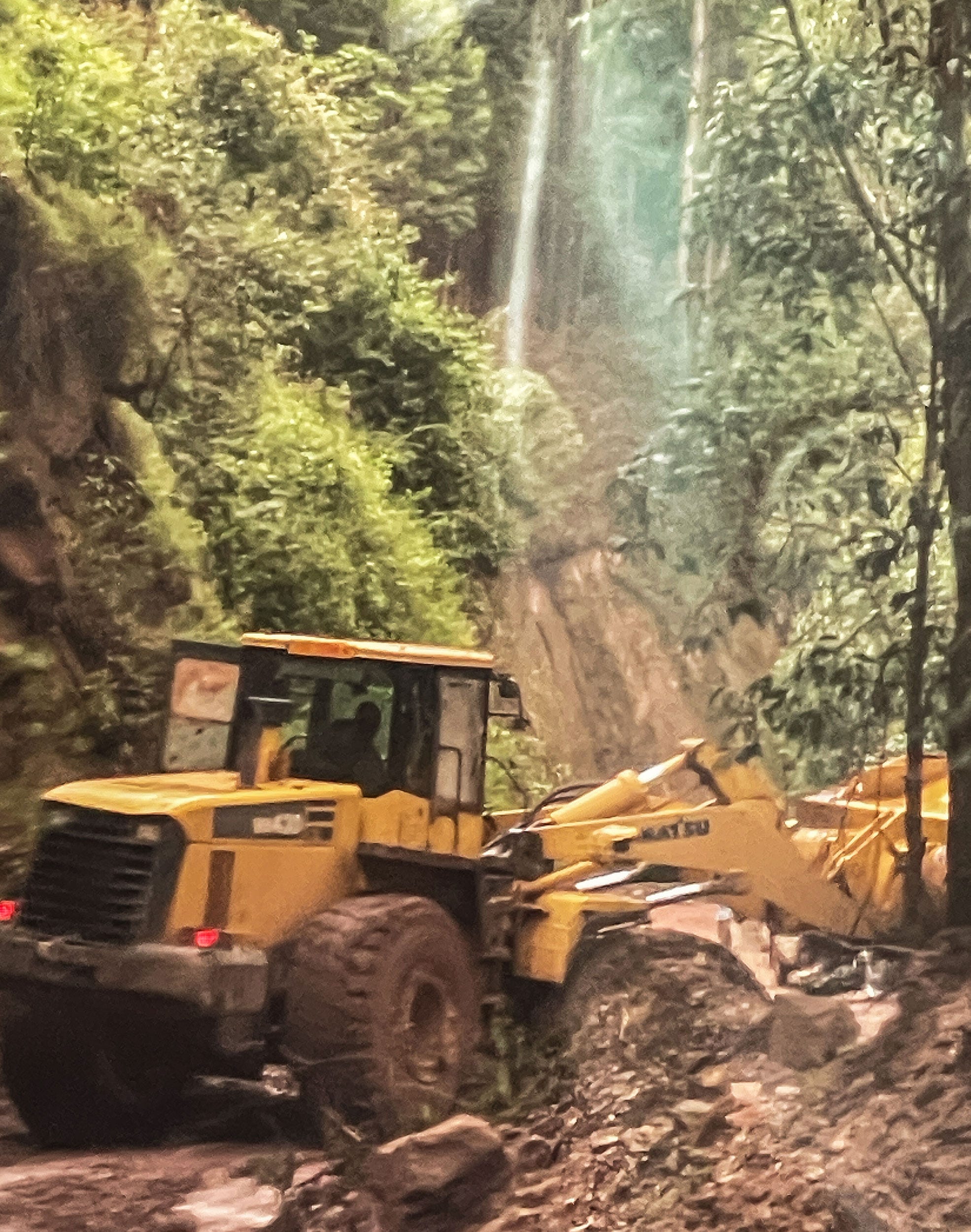
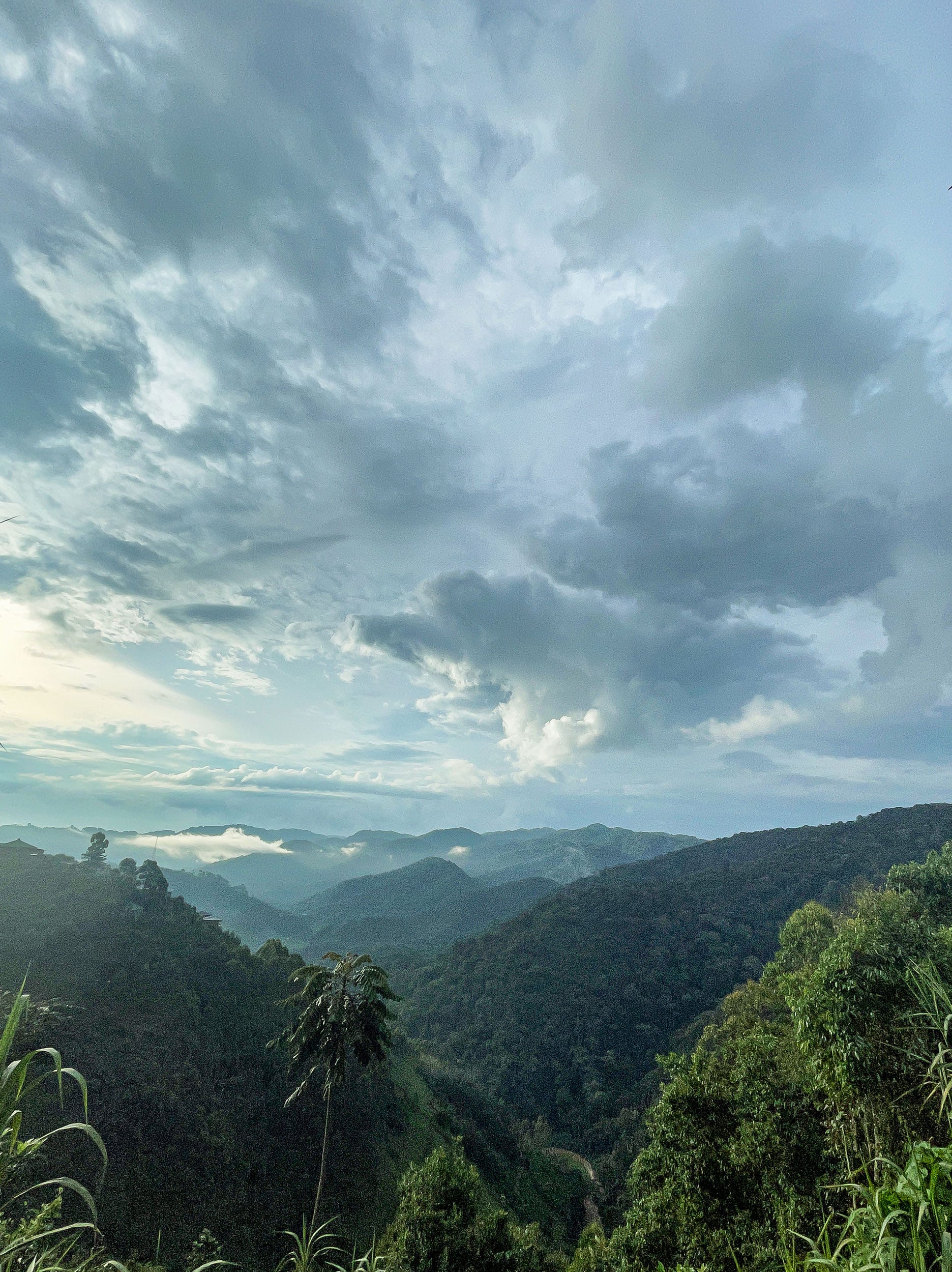
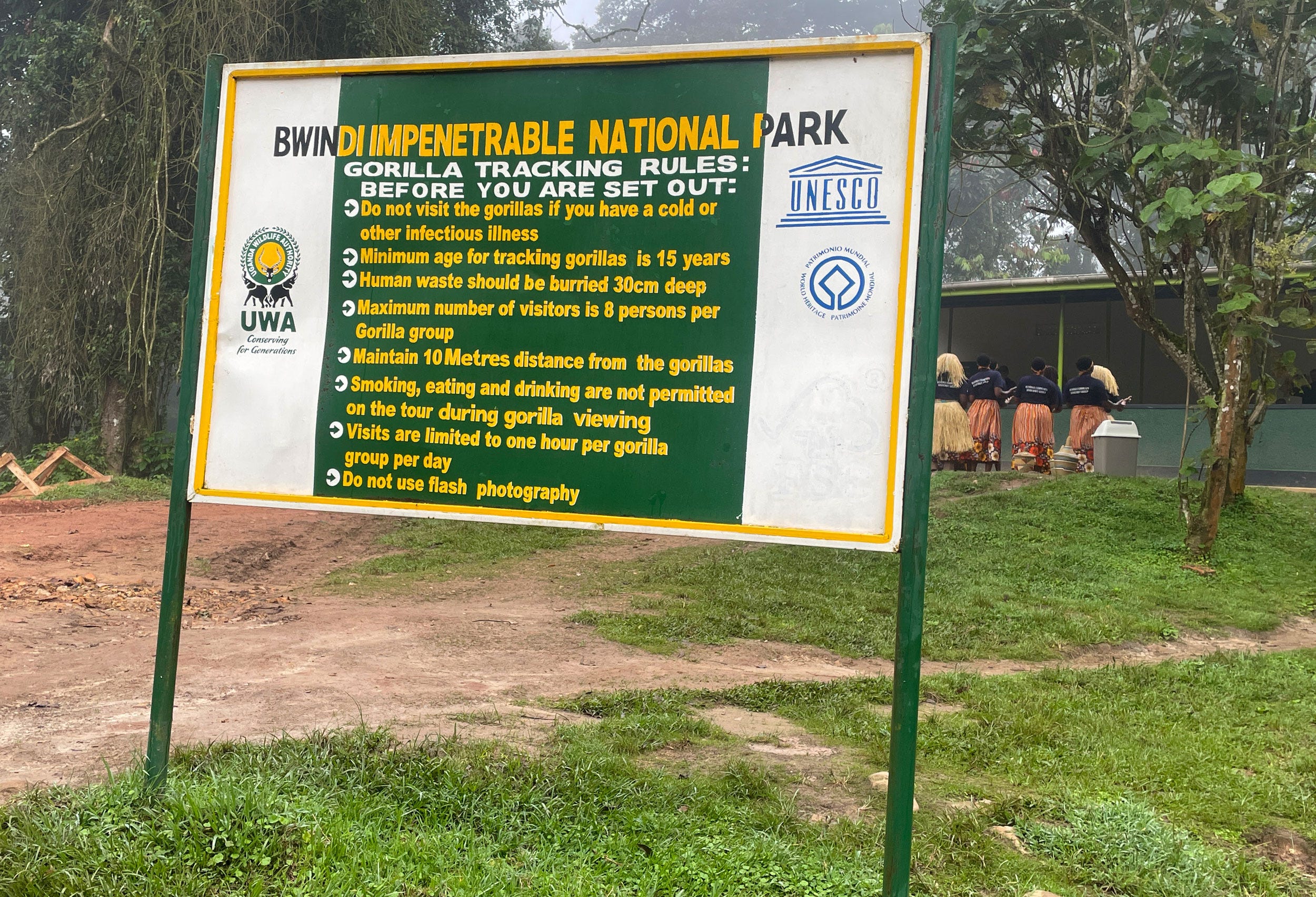
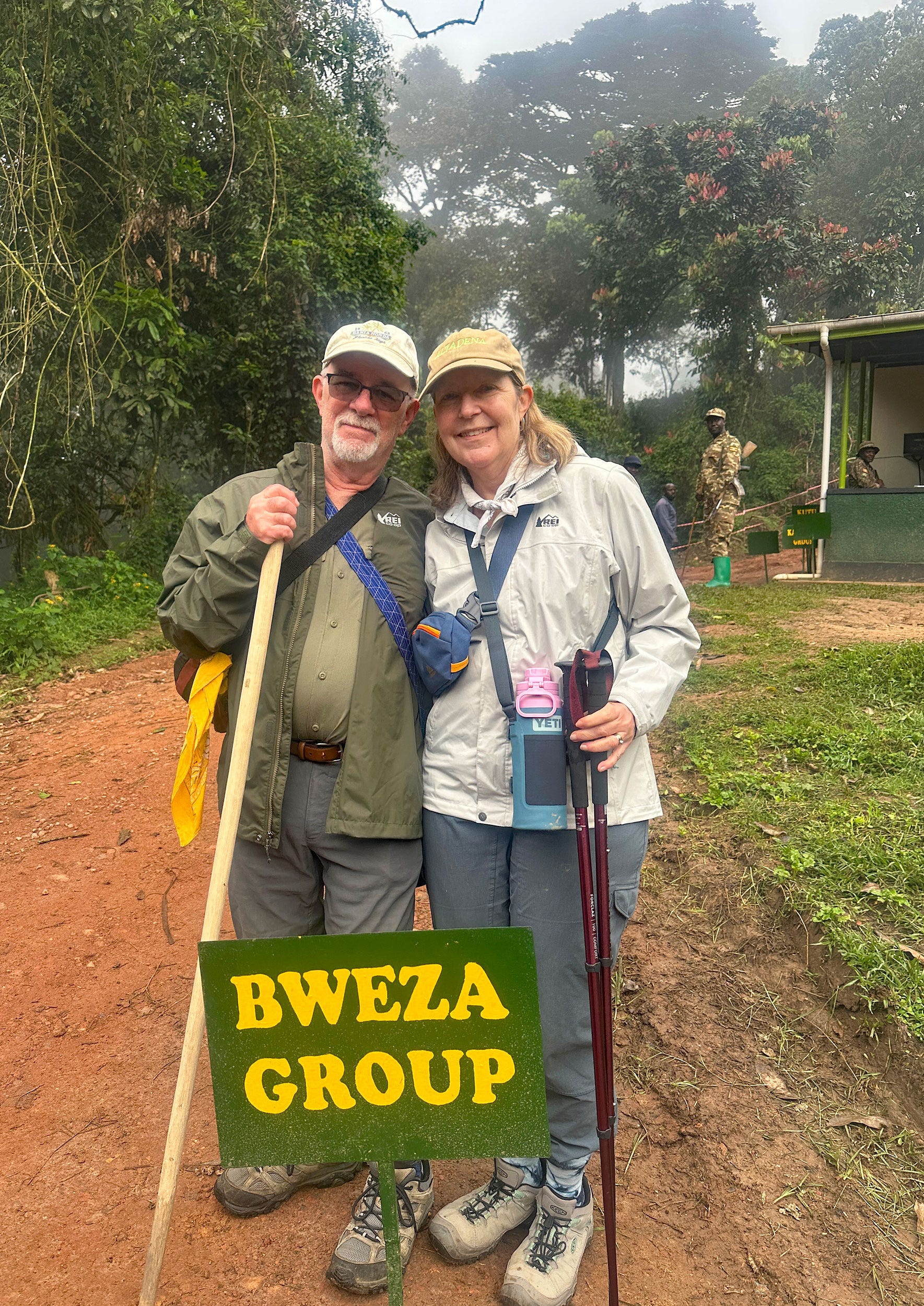
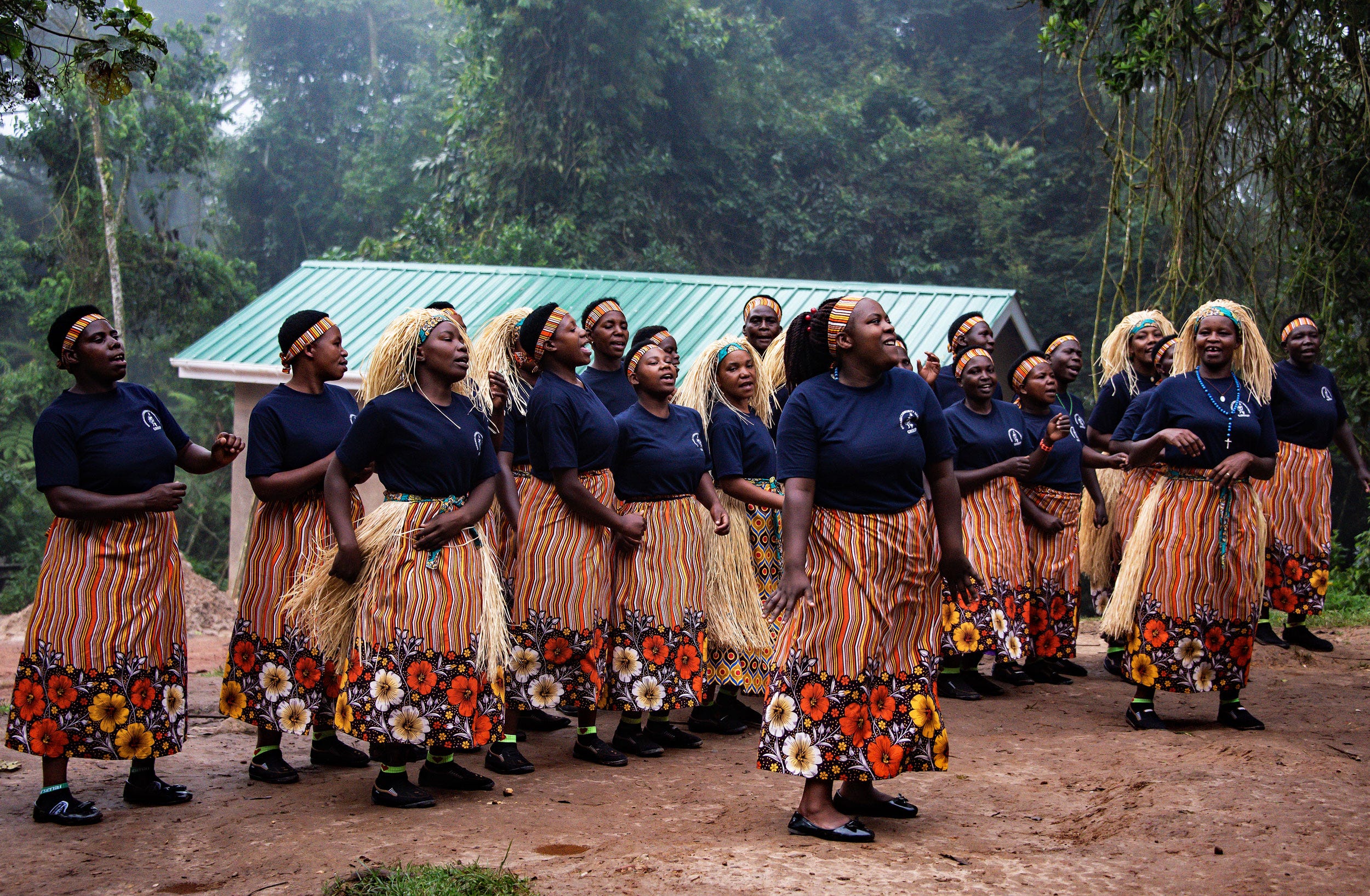
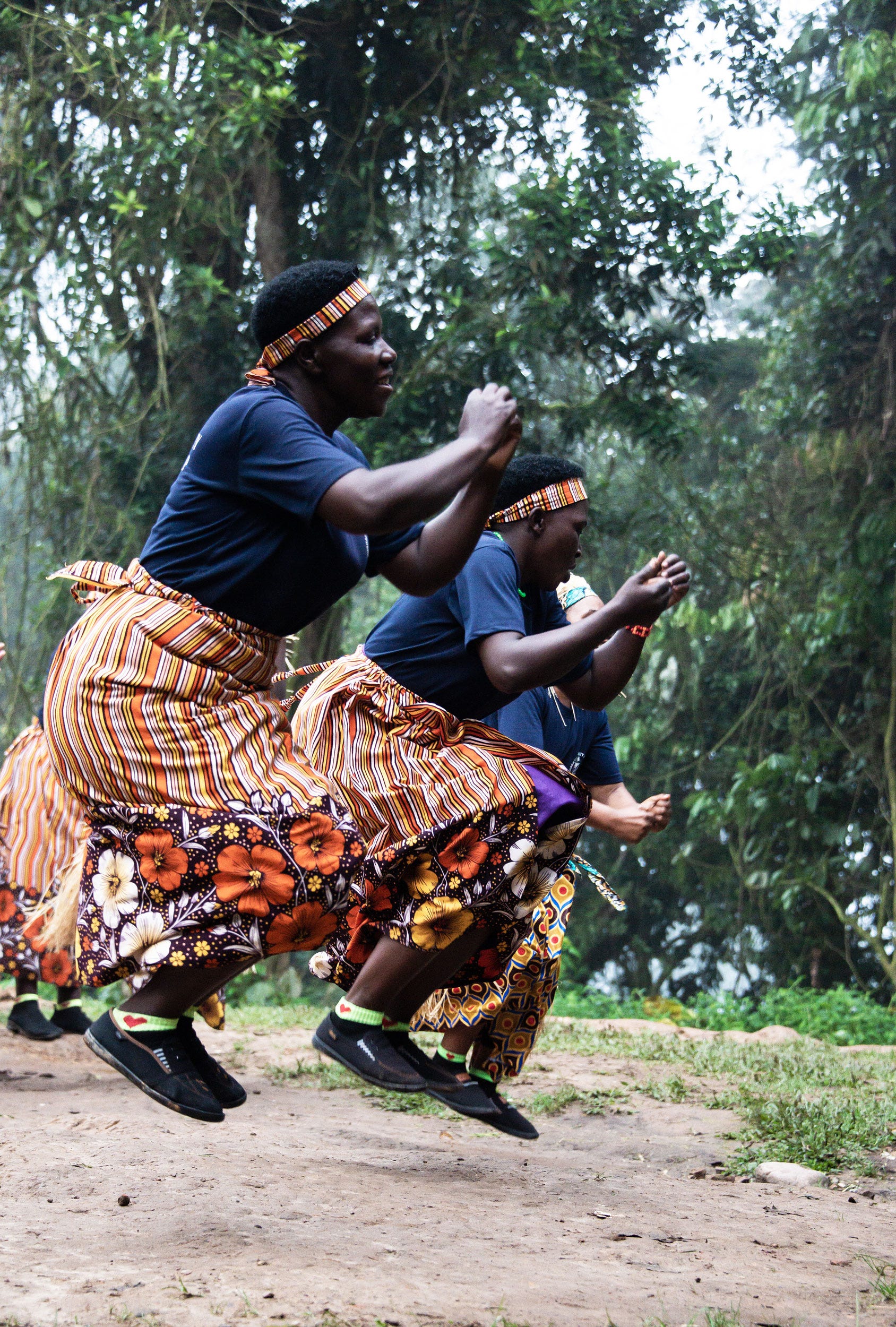
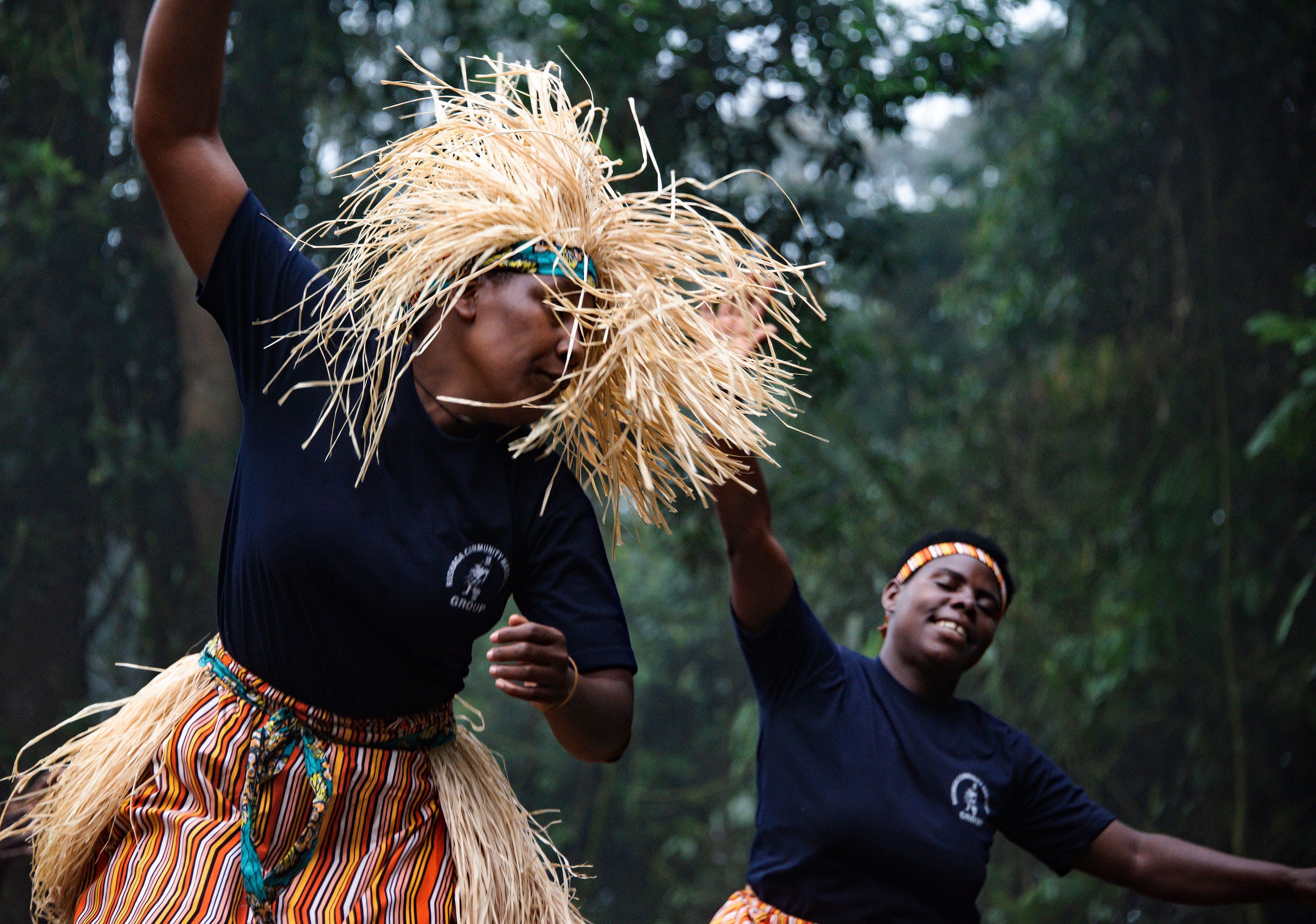
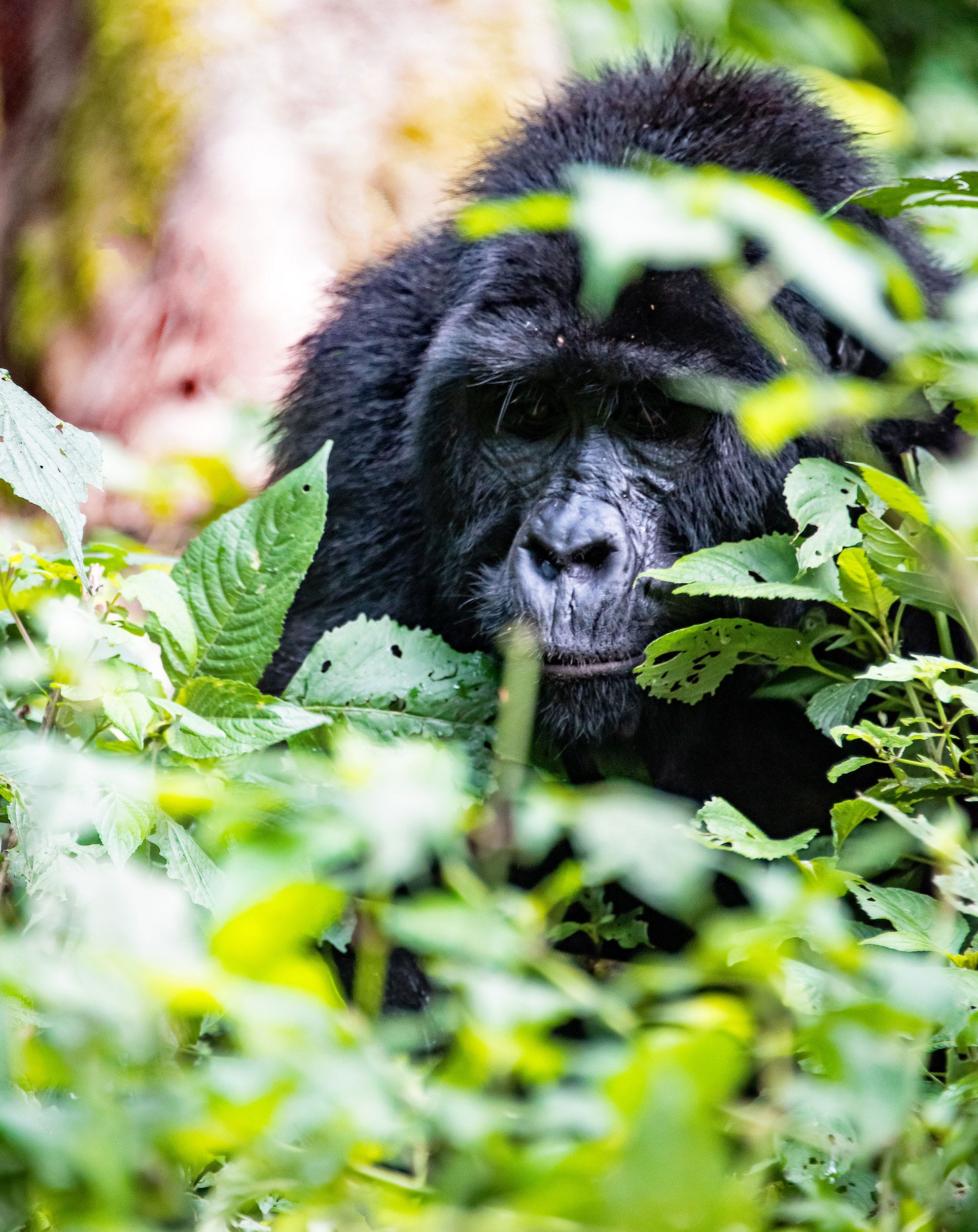
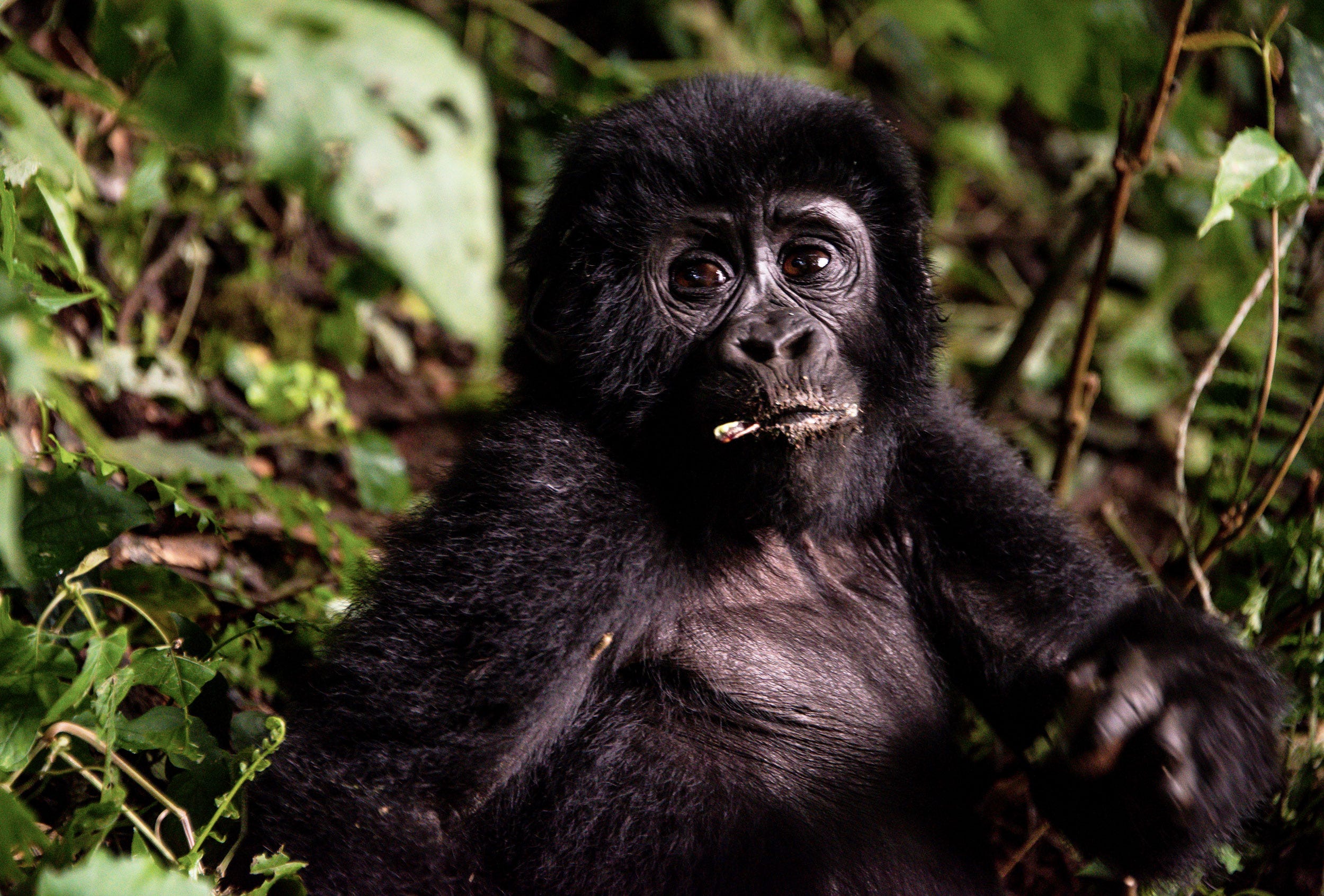
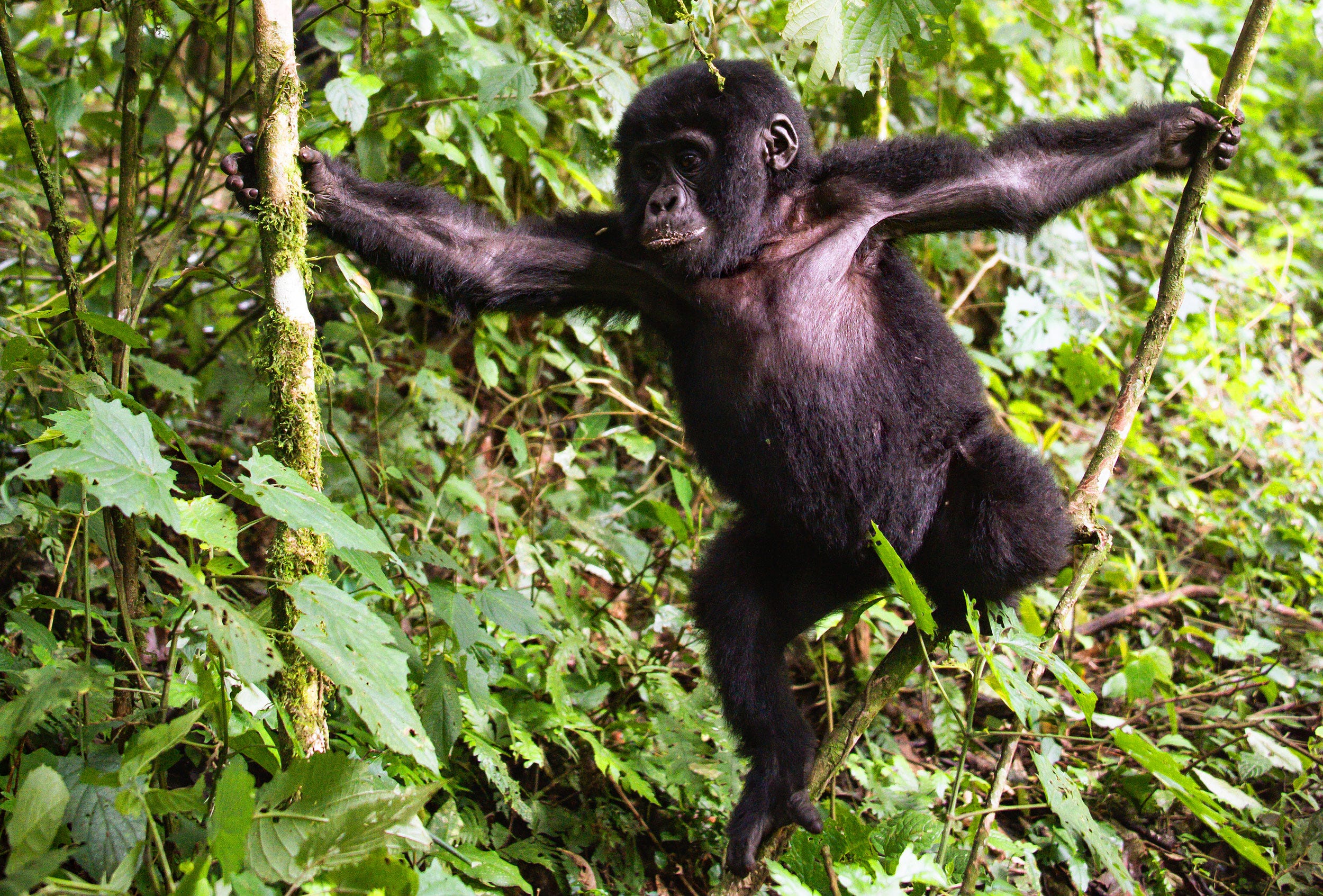
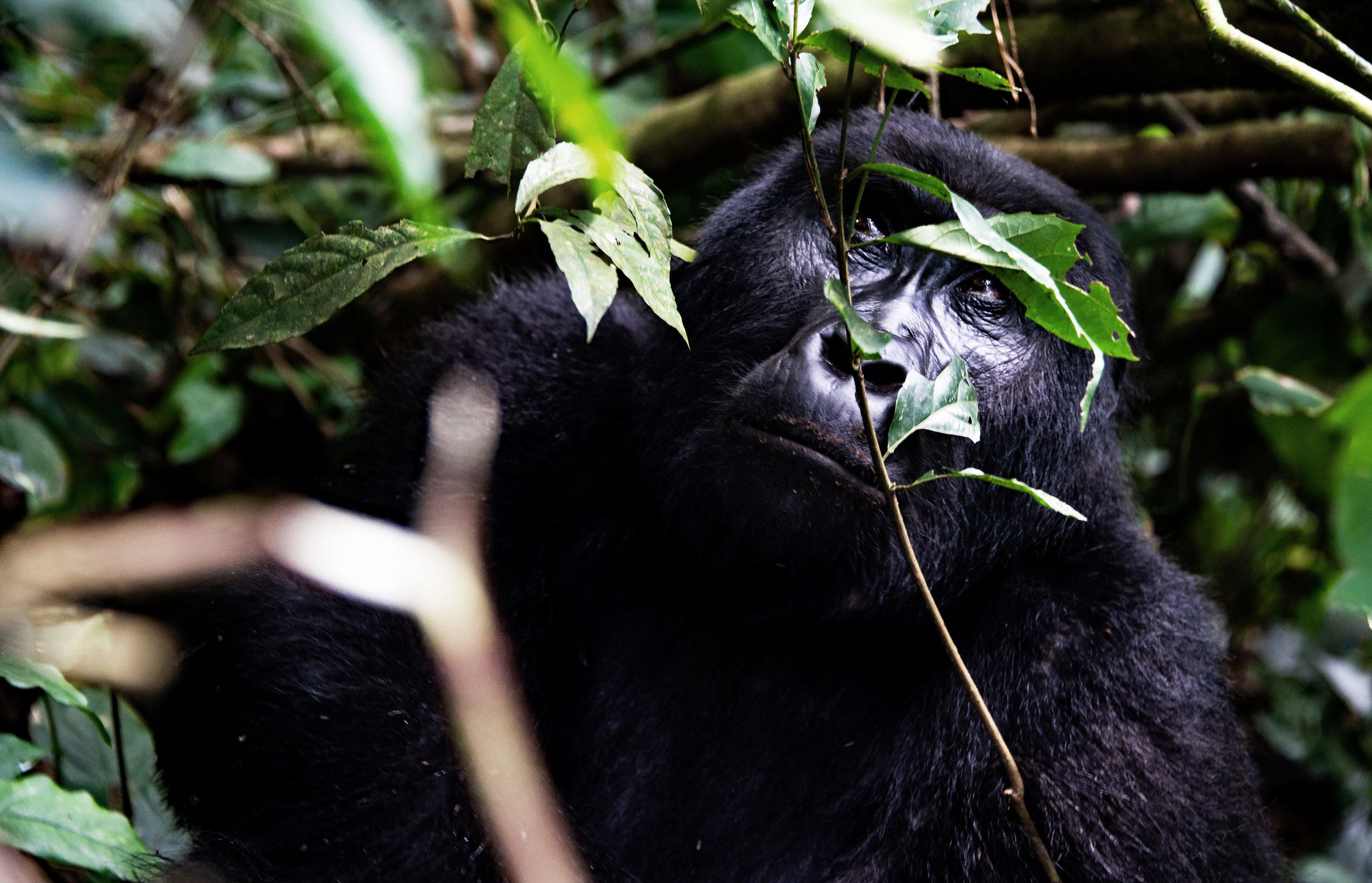
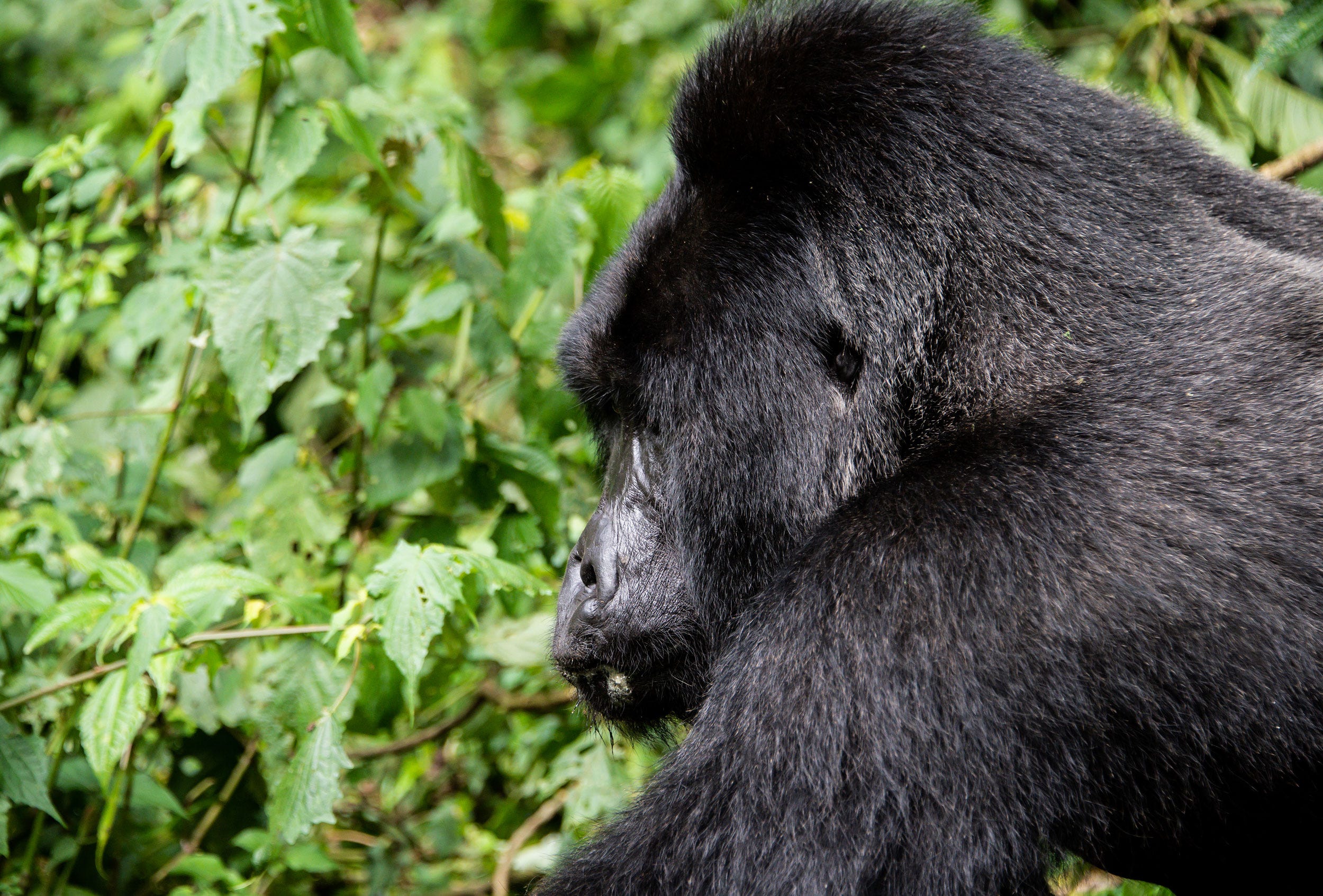
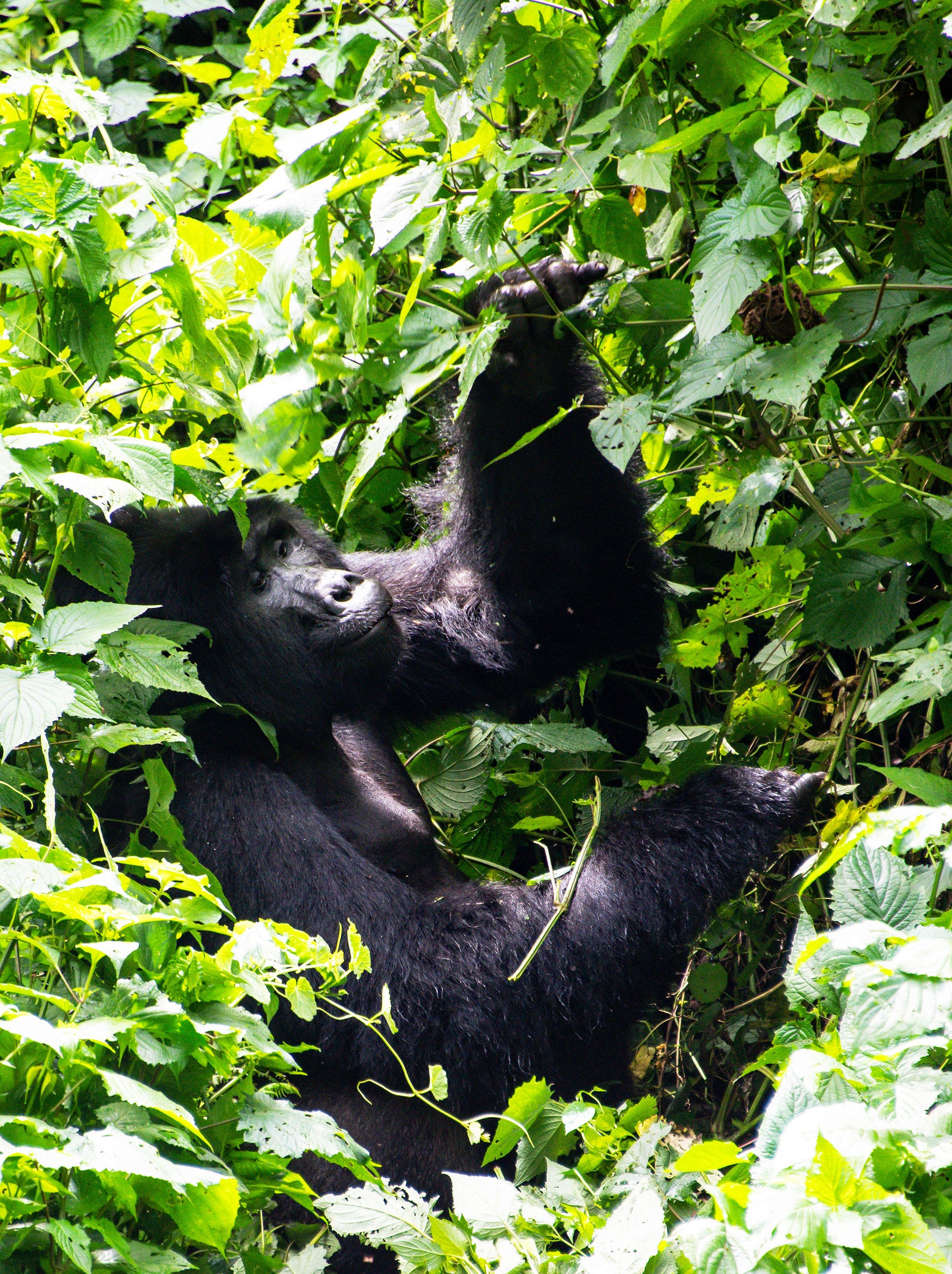
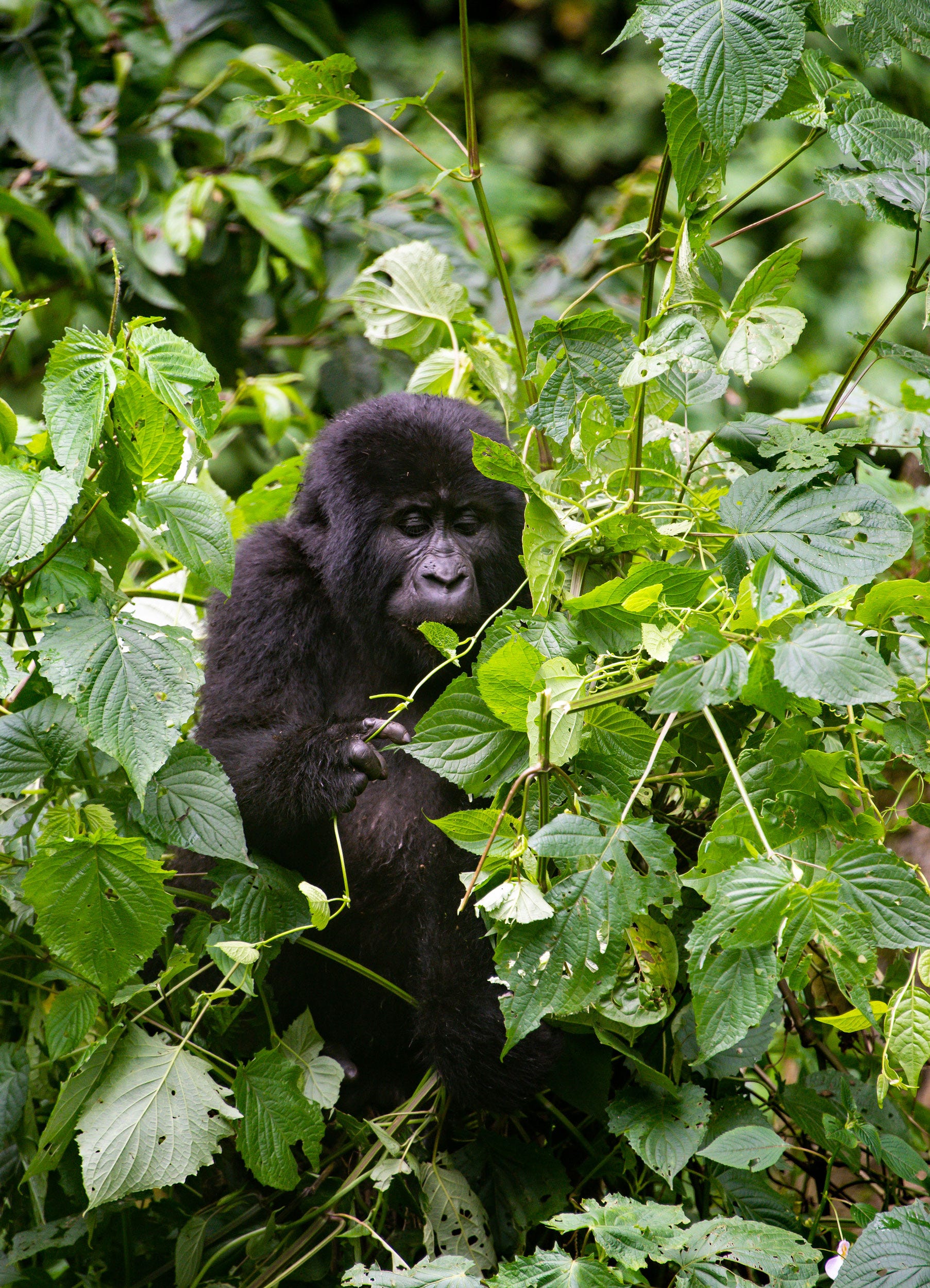
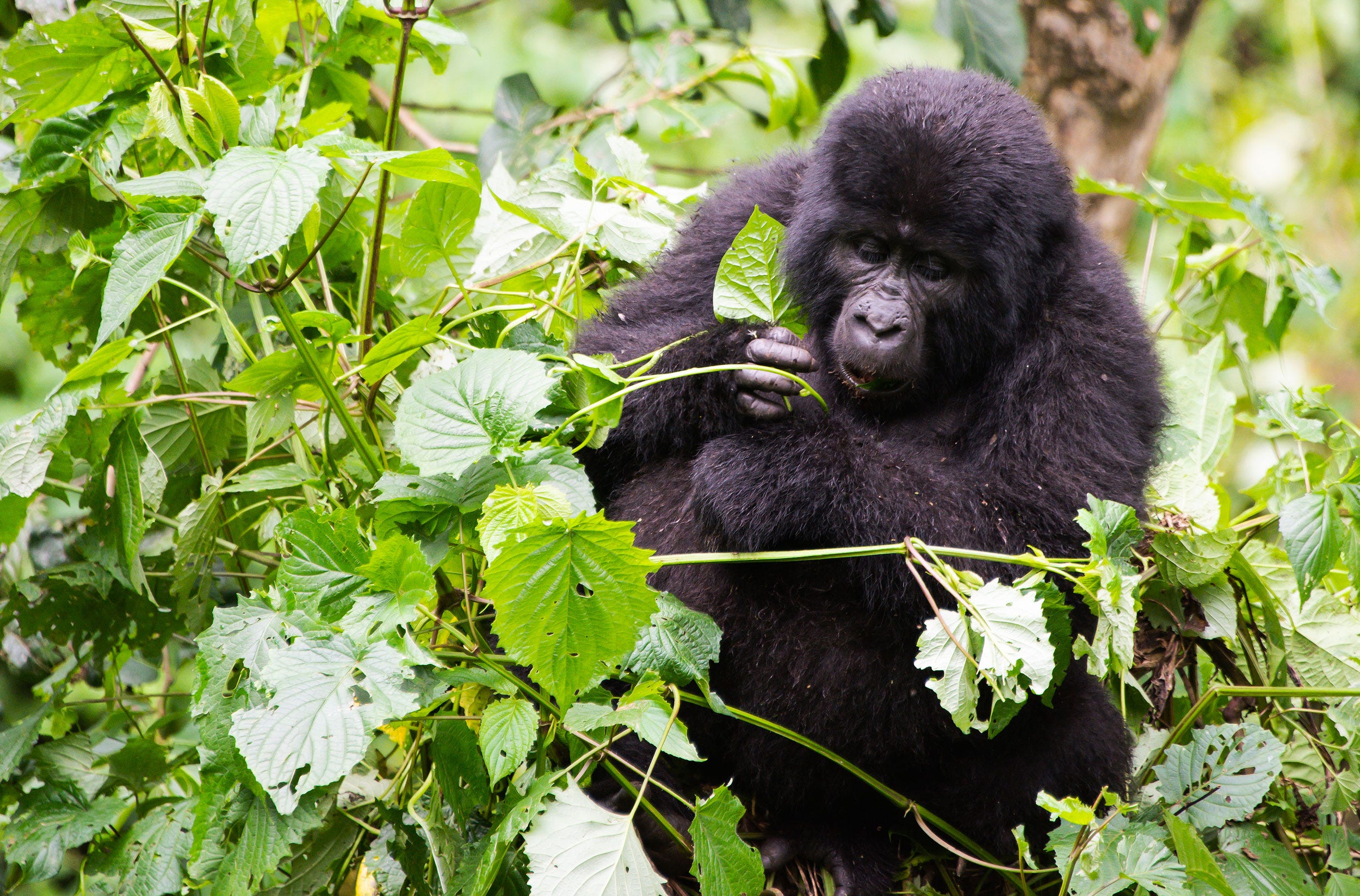
Arriving in Bwindi Impenetrable Forest National Park, Joscelyn and I were excited, and apprehensive, about our trek. The questions swirled; would the hike be difficult; what’s the elevation gain; how long before we reach the gorillas? As it turned out, reaching the gorillas only took about an hour and a half on relatively even terrain. Trackers earlier that morning had already located the family group we would visit. After watching a dance presentation from local non-profit, the Mushunga Project, assembled trekkers (ranging in age from early 20s to mid-70s) received a quick briefing on dos and don’ts, and then found our assigned groups of eight. The morning was cool as we began our hike up into the mist in search of the Bweza family. Our group, an older Spanish couple, a Russian brother and sister, two single travelers from UK and Norway, and Joscelyn and myself, quickly bonded as we hiked, trading safari stories, giving each other encouragement as we slipped through mud and stumbled past vines and roots.
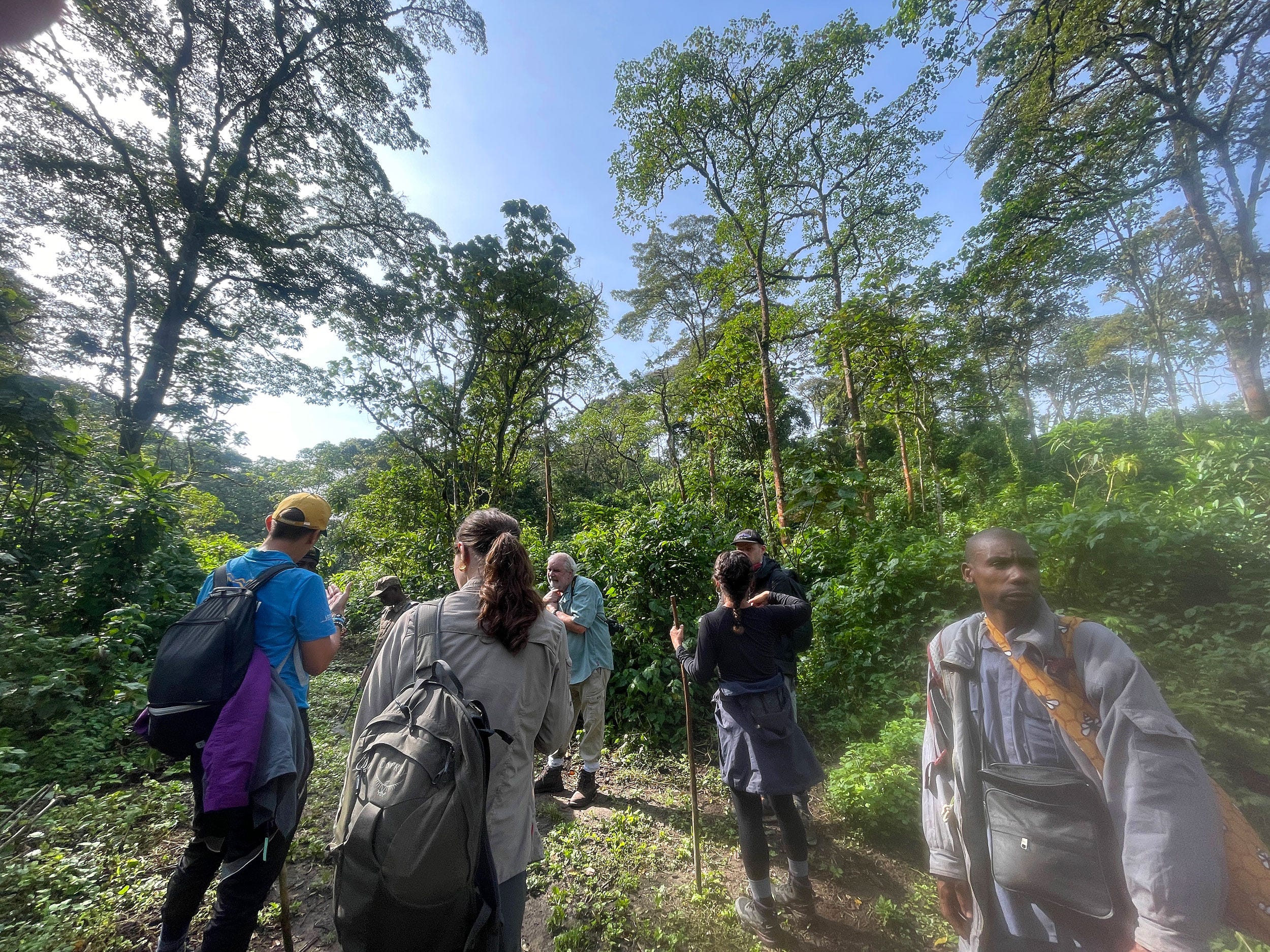
Rain forest trekking gives one plenty of time to think. I pondered my role as a participant in the gorilla conservation industry, as well as the tourism business in general. The need for natural resources conservation is beyond dispute, studies conclusively show how humans’ connection to the natural world benefits us spiritually, physically, and mentally. Certainly, spending an hour with our closest animal relatives (gorillas or chimpanzees) confirmed that connection for our group of eight.
Eight hundred dollars to spend one hour with mountain gorillas might seem expensive for some but is still an affordable, reasonable price to support the Ugandan government’s efforts to preserve these incredible creatures in their pristine environment. We saw fellow tourists, young and old from countries around the world whose goal was the same: to support gorilla conservation and to bear witness to humanity’s link to its own past. The cost for doing so was minimal compared to its benefits and goals. Furthermore, affordability means that more people, ordinary regular people, can experience the mountain gorillas in their natural undisturbed habitat. Strict rules (masks, small group size, and a one-hour time limit) ensure minimal stress on the gorillas. Additionally, National Park trackers monitor family groups after tourist visits to assess stress levels and, if needed, suspend further tourist-animal interaction.
Historically, mountain gorillas (Gorilla beringei beringei) have existed in an extremely limited range, the high-altitude forests of Central Africa. The fossil record does confirm the presence of apes in East Africa approximately 22–32 million years ago it is, however, sparse specifically regarding mountain gorillas, making the species’ evolutionary history unclear.
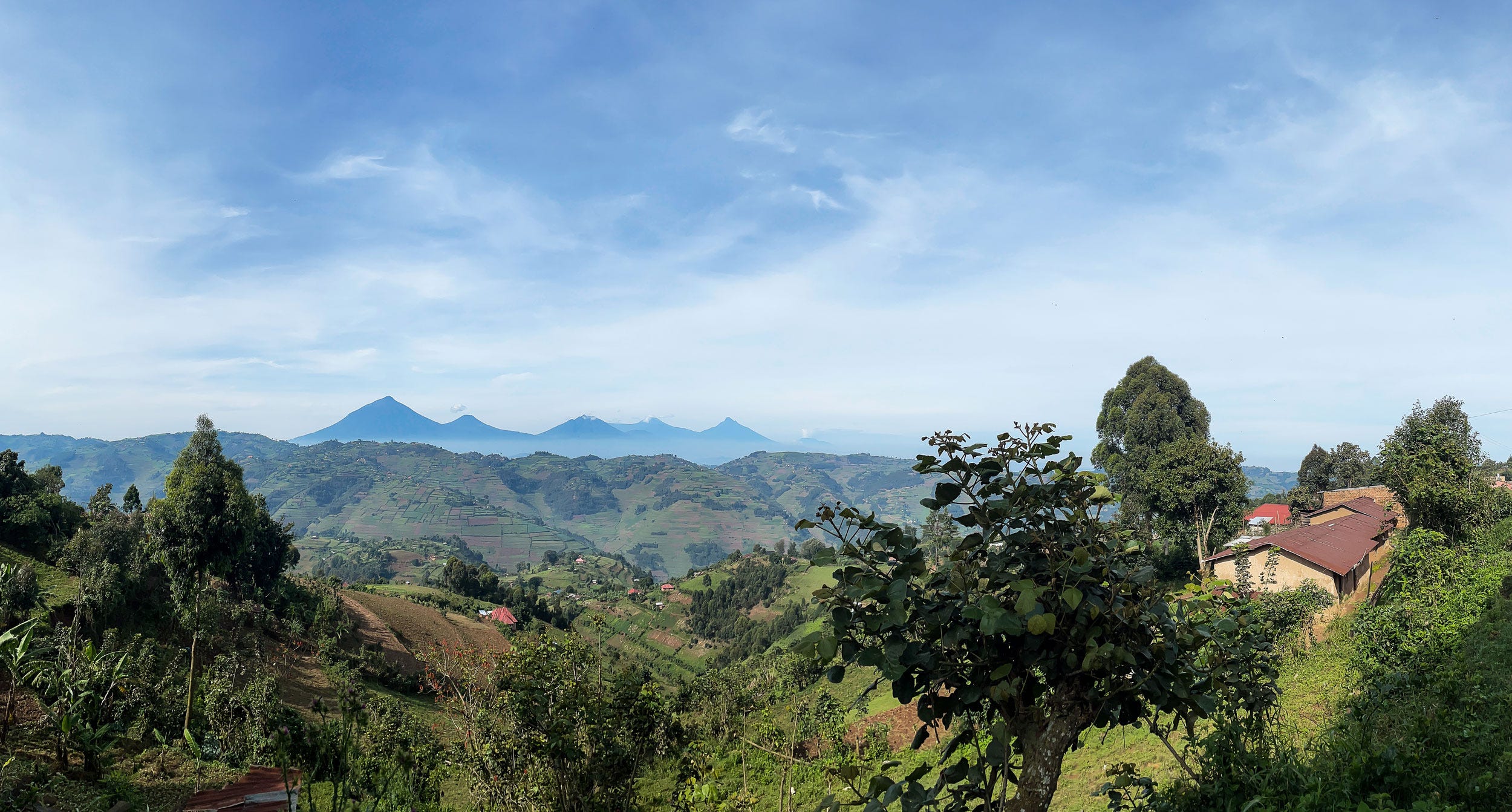
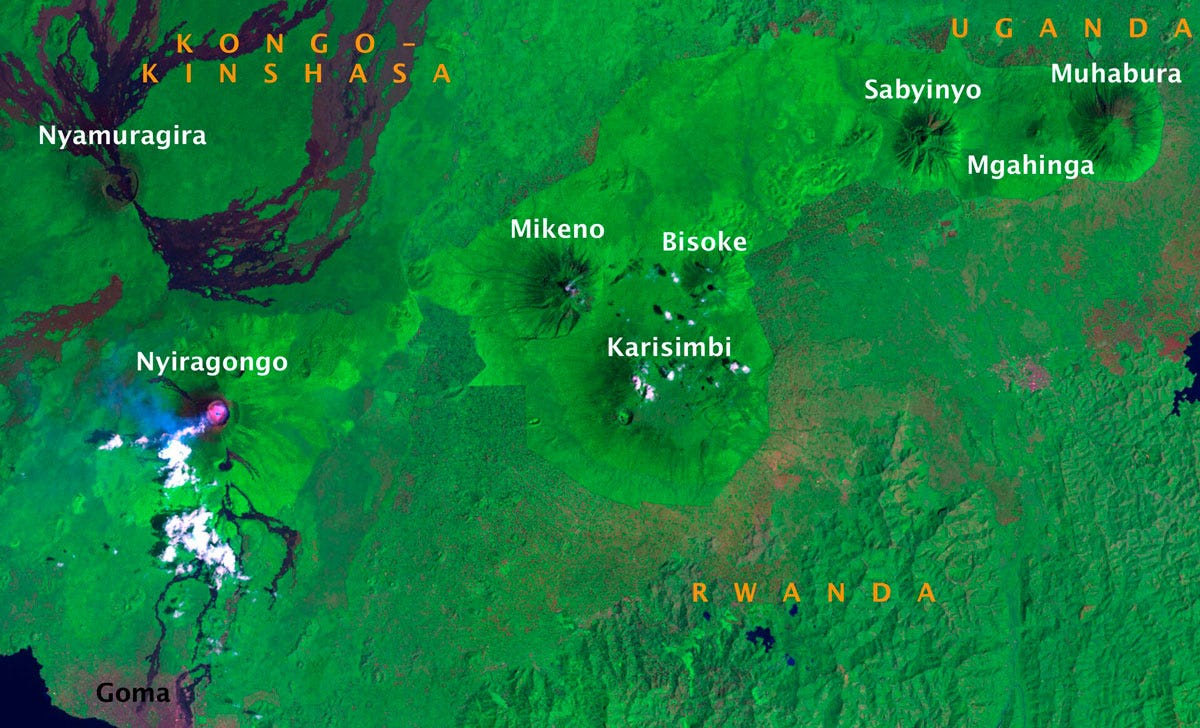
Considered a “relict” population today (a reduced and isolated remnant of a larger, widespread population), two populations of mountain gorillas occupy the Afromontane forests of the Albertine Rift: the first population of just over 600 individuals, lives in Virunga Mountains in Mgahinga in southwestern Uganda, Volcanoes National Park in northwestern Rwanda and Virunga National Park in the eastern Democratic Republic of Congo (DRC). A second population of 459 gorillas occupies Uganda’s Bwindi Impenetrable National Park. As of 2019, the latest census showed a total of 1,063 mountain gorillas living in Rwanda, DRC, and Uganda. Though it is listed as endangered by the IUCN, the population has steadily increased since the 1970s when the Virunga gorilla population stood at approximately 260-290 individuals, a decline from 400-500 individuals in 1959-1960.
This apparent success story is due to an approach that employs three conservation techniques: active, theoretical, and community-based. Active conservation includes enforcement by rangers in protected areas to track and arrest poachers, regular monitoring and census counts of endangered species, and strong safeguards for habitat protection. Theoretical conservation seeks to encourage tourism growth by improving infrastructure (access, lodging, etc.) and gorilla habituation for tourists to visit and photograph. Community-based conservation management relies on local populations’ involvement in biodiversity protection.
Community-based conservation, particularly in Bwindi, has had promising results especially when combined with active and theoretical conservation. This three-legged stool approach relies on funding from tourism to build roads and provide services, improve and equip rangers with state-of-the-art resources, and support local communities’ development goals and strategies. Take away one of the stool’s legs, though, and the entire system likely topples over.
The recent news that neighboring Rwanda plans to double its gorilla trekking fee to $3,000 per person is controversial. To be clear, every country has the right to determine the costs associated with conserving its natural resources. However, there are consequences to those choices and decisions.
Uganda’s $800 price tag encourages a wide range of visitors from a broad demographic. Environmental educators argue that, because of the affordability, increasing tourism traffic means more visibility, more awareness, and more revenue. By contrast, raising the per person, per visit cost to $3,000 carries certain implications, both negative and positive. Significantly more funding can be raised to put into environmental education and conservation efforts, but higher fees could also result in fewer tourists, raising the possibility that total revenue from gorilla trekking might actually fall. Perhaps less alarming, though still disconcerting, is that experiencing these beautiful, incredible creatures will only be available for wealthy elites.
But tourism, particularly safari tourism, requires patience. And a letting go, an ability to live in the moment, to acknowledge the miracle that such natural beauty still exists in the world. I had learned that lesson during our first safari trek to Tanzania in 2021. I’d encountered a few tourists who were disappointed that a particular animal had not been sighted yet, as if the national parks were some sort of disneyfied vacation destination and game drives mere bumpy roller coaster rides. The reality means driving for hours between and inside parks, eyes glued on the horizon, hoping to catch a glimpse of some rare, magnificent creature. Even though the massive herds of water buffalo, giraffes, and zebra are impressive, one can become jaded (do I really need another picture of an antelope?). Of course, coming upon a lion kill or baby elephant can send chills down your spine, as it was for us when spotting for the first time a leopard in the wild. But there is a dark side to conservation tourism; we’ve seen the disturbing videos of tourists, long lenses protruding antennae like, converging like fire ants on water holes and impeding migration routes.
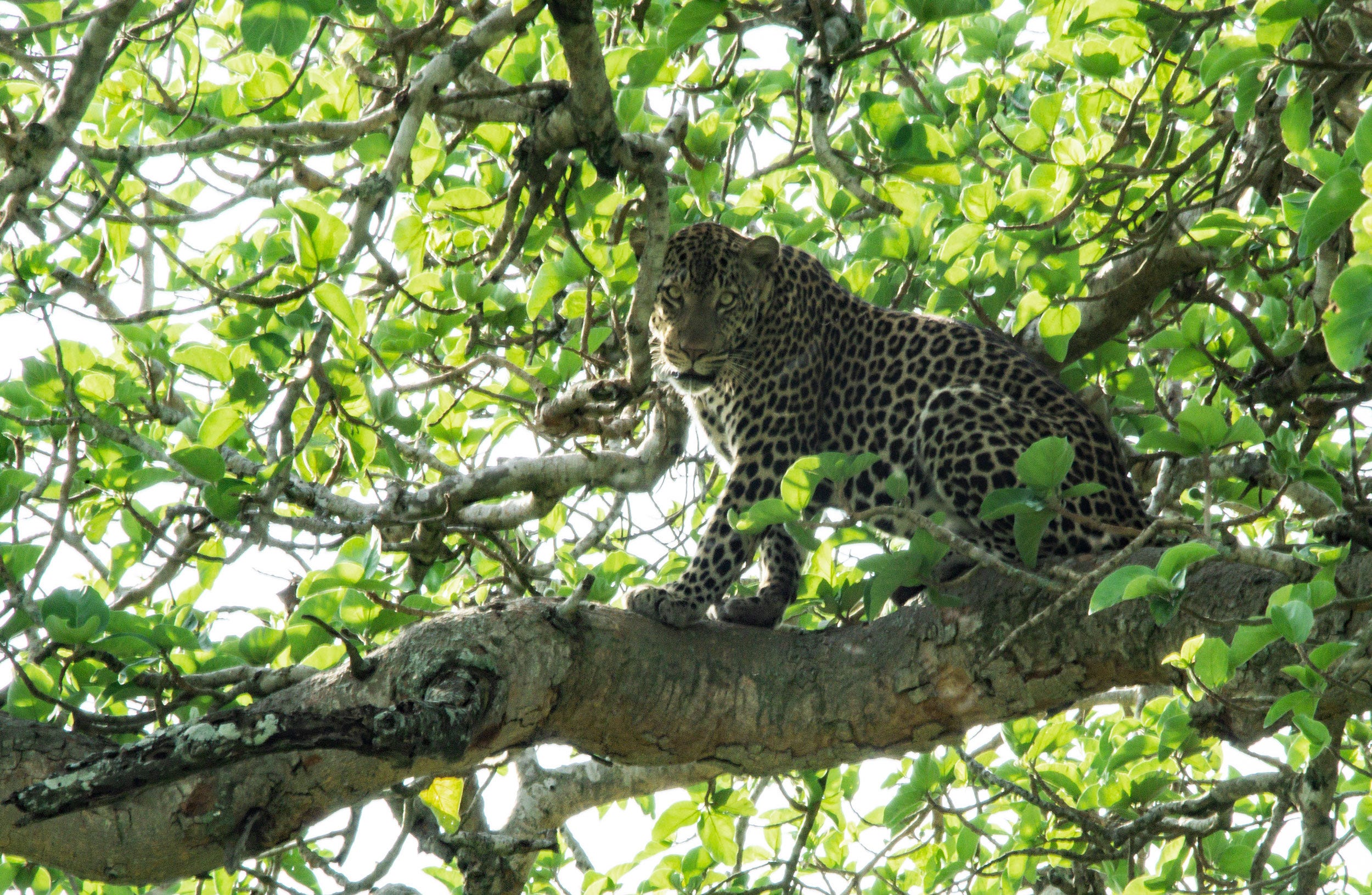
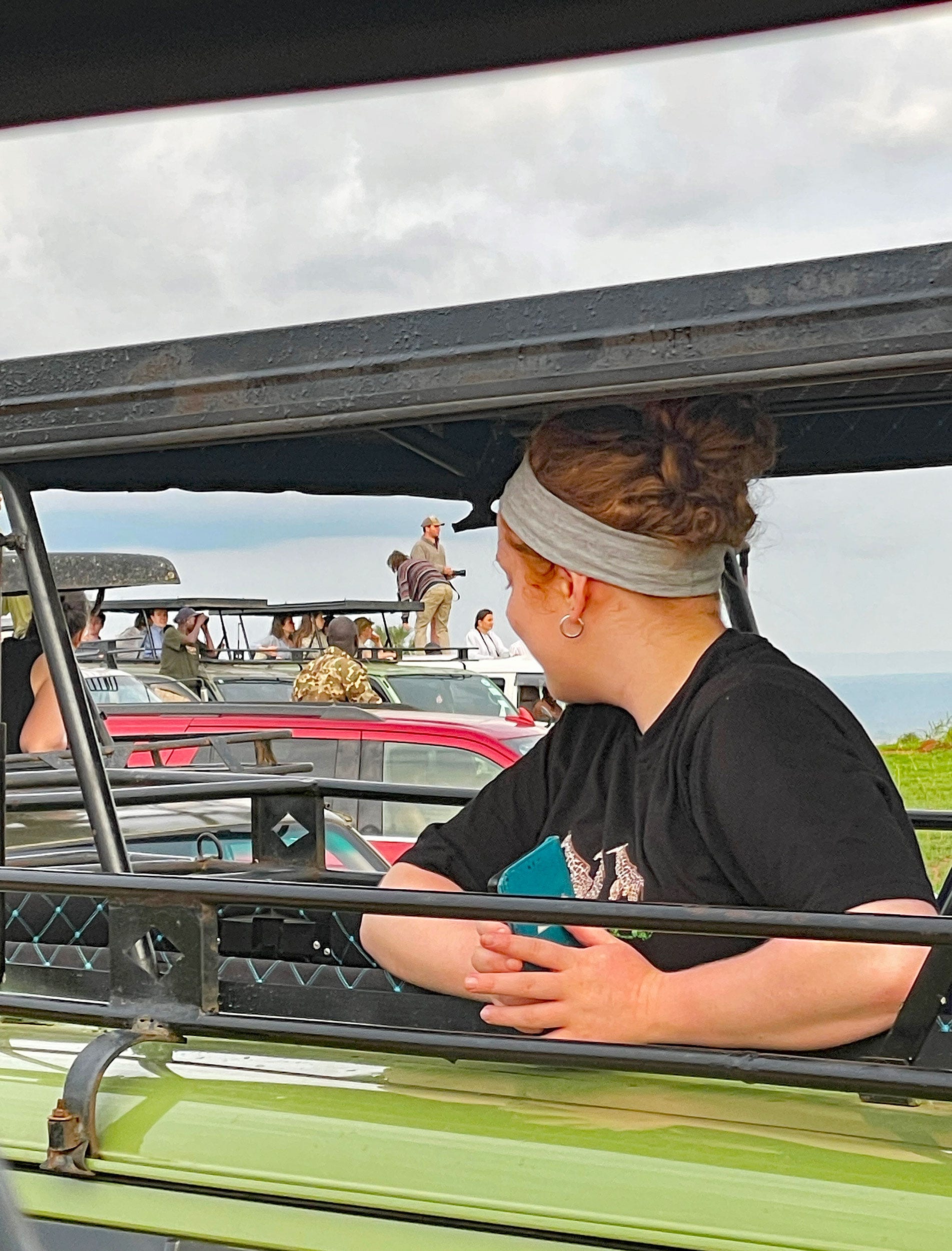
Perhaps raising fees to astronomical levels will raise more money for conservation efforts while slowing human migration to view wildlife, reducing environmental pressure, and relieving habitat fragmentation. The flip side, of course, is that a resulting reduction in revenue as tourists opt for cheaper opportunities could mean less monitoring and protection, eventually leading to increased encroachment and poaching in protected areas.
As I reflect on that one hour in Bwindi, I return to the words of the recently departed Jane Goodall, whose wisdom from a lifetime of conservation work is a guide: “Surely, we do not want to live in a world without the great apes, our closest living relatives in the animal kingdom? A world where we can no longer marvel at the magnificent flight of bald eagles or hear the howl of wolves under the moon? A world not enhanced by the sight of a grizzly bear and her cubs hunting for berries in the wilderness? What would our grandchildren think if these magical images were only to be found in books?”
Those experiences of wonder and connection with the natural world where you’re in the presence of the planet’s most wondrous creatures is thrilling and humbling. No matter how much you may have paid, those moments are priceless, and fleeting. Once the hour with the gorillas was over, we began the trek back, our little group excitedly talking about what we had just witnessed and felt. That the skies opened up, soaking us, mattered little. Our spirits were undampened, our hearts full.
(All photographs copyright Mark Caicedo/PuraVida Photography)
Wow, this is super interesting, Mark. Amazing photos, as well!
Excellent article and photos, Mark! Thank you for the vicarious safari.