

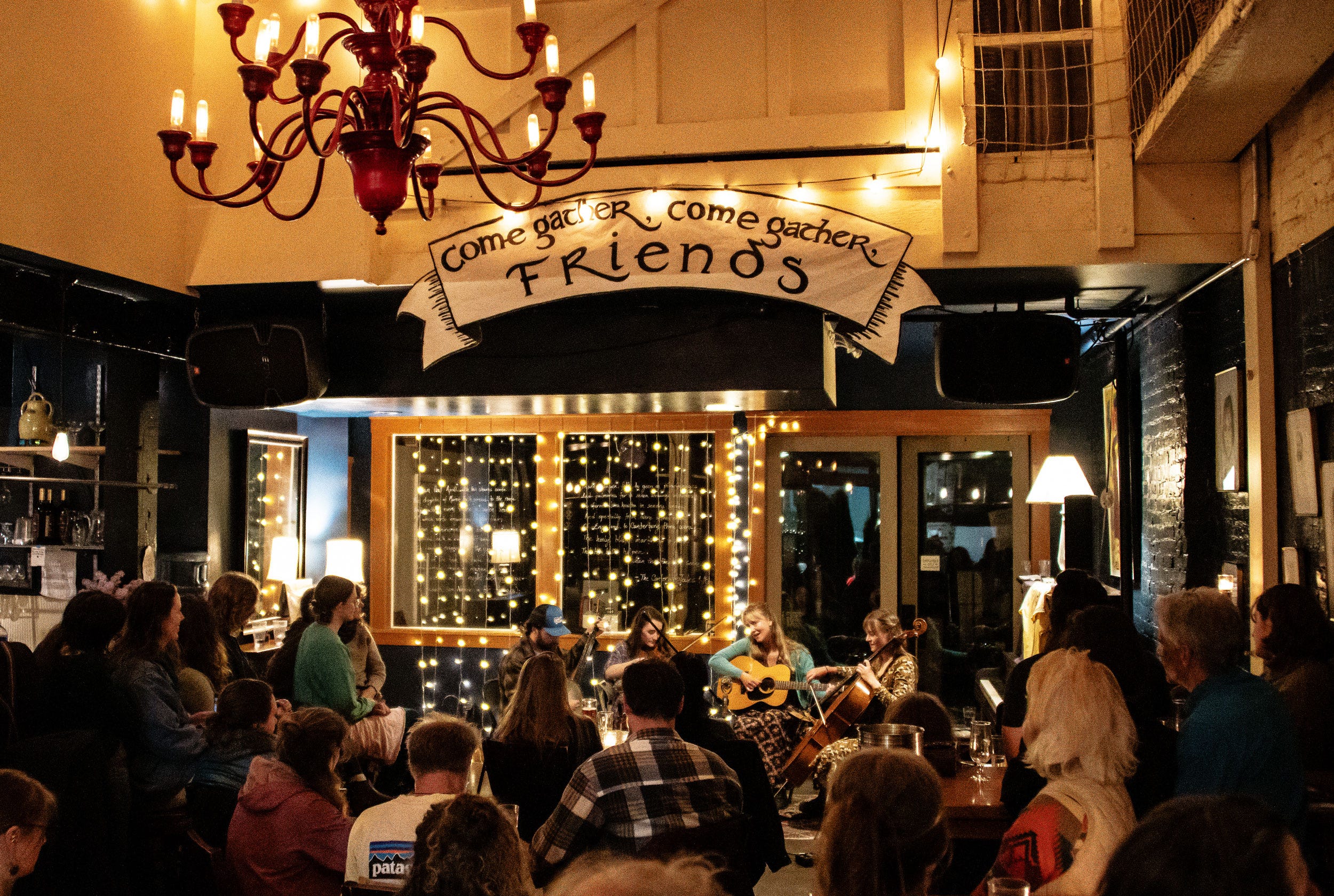
“I just love music. All of it – listening to it, playing. I mean, all of it. Everything about it, really. There’s really nothing about it I don’t like.” – Jerry Garcia
During the pandemic shutdown when live music performance was in danger of dying, musicians, fans, and venues responded in typically creative fashion: on-line live streams, “sidewalk” concerts, drive-in shows, and a massive Congressional lobbying effort by National Independent Venue Association (NIVA, #saveourstages). And save our stages NIVA did, as the Save Our Stages Act was approved in 2020 to the tune of $15 billion, setting aside funds for independent venues to weather the economic Covid storm.
Today, however, the threat to live music doesn’t come from a worldwide pandemic but rather from the industry itself. Between the financial hardships faced by touring bands to ticketing and monopolistic venue ownership, both musicians and audiences are squeezed almost to the point of abandoning live music performance altogether.
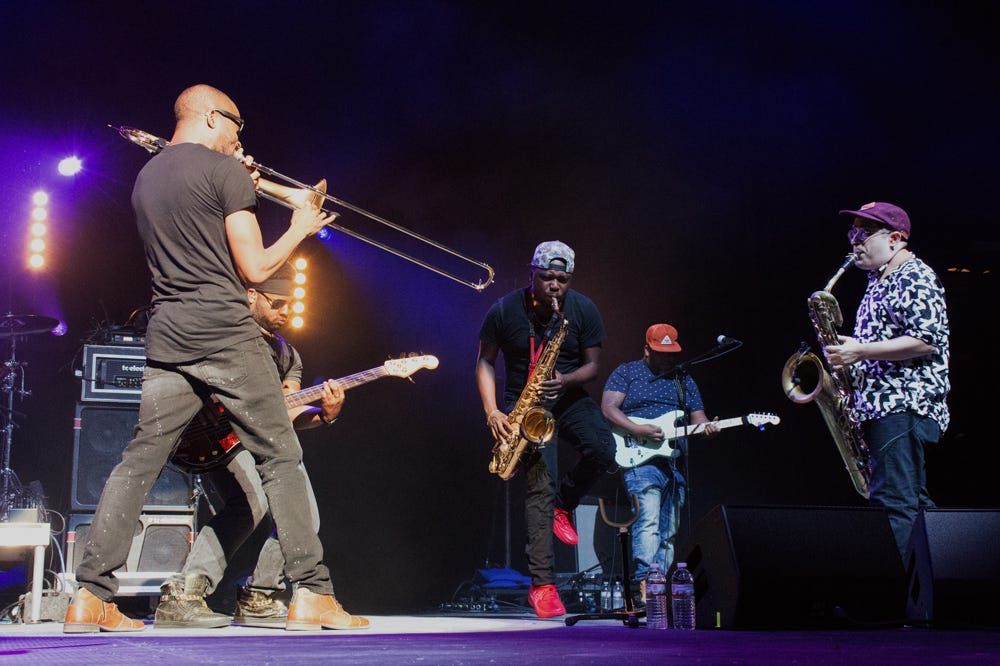
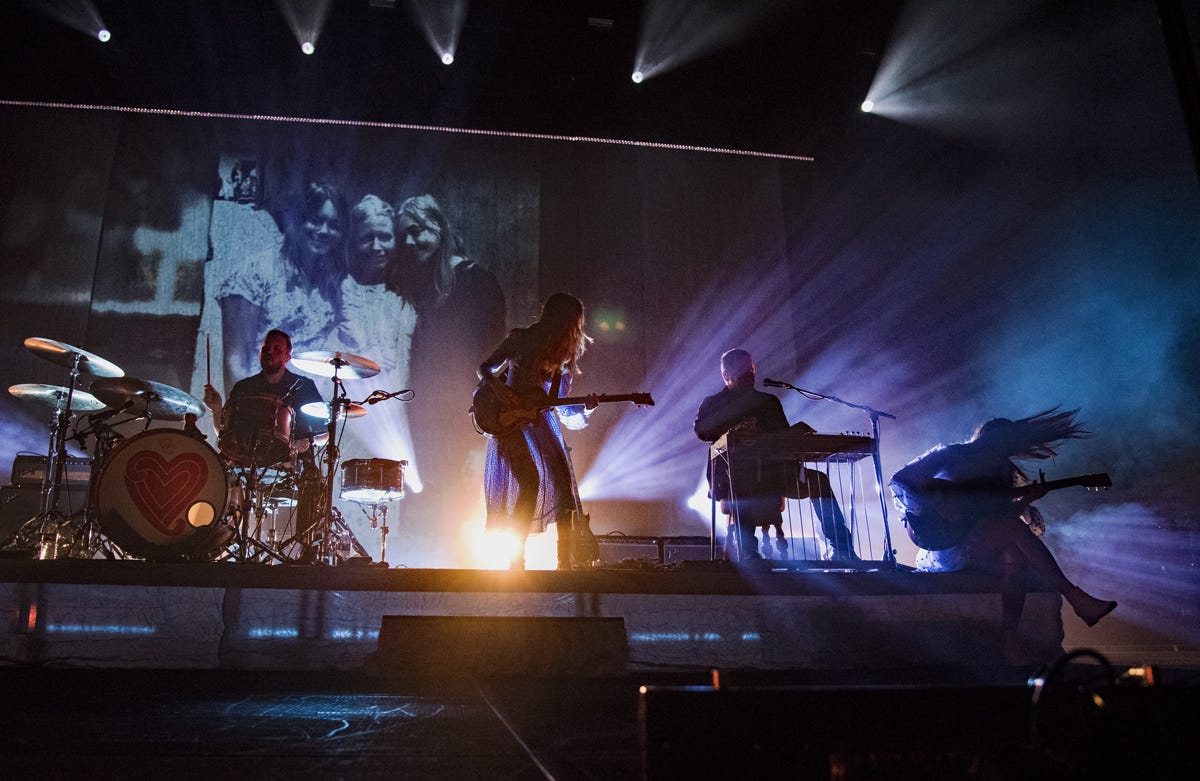
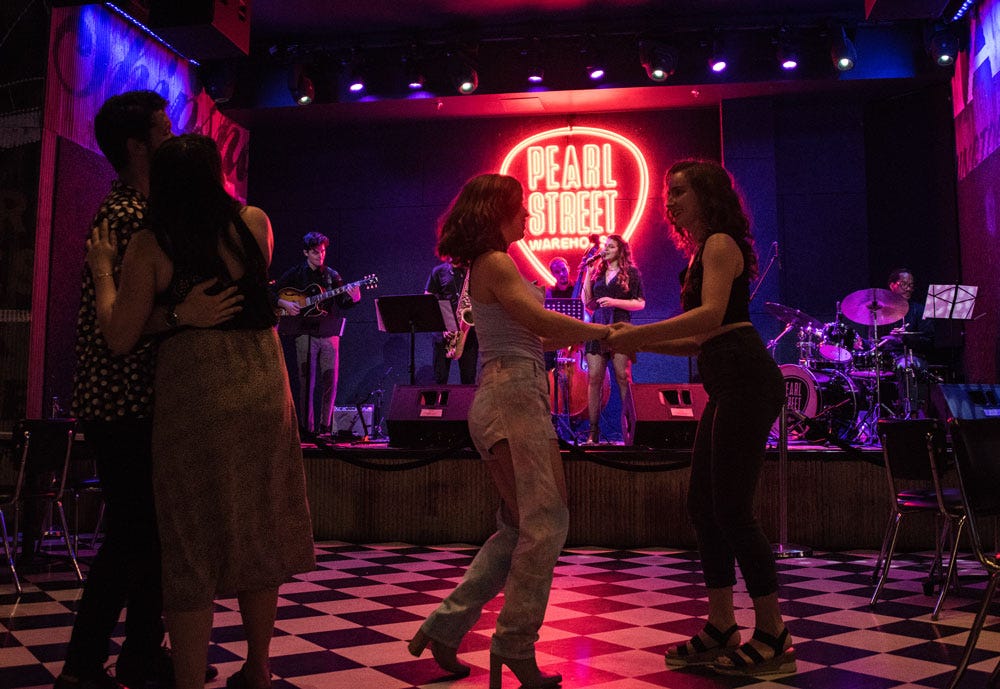
The live music scene in the Washington, DC area is one of the richest in the country. Venues, large and small, host music from around the world on a nightly basis. For years I attended and covered dozens of accomplished musicians in and around the DC area, photographing and reviewing shows for ParklifeDC. Quickly, though I grew enamored with local musicians: players like Dominique Bianco, Elizabeth Cannon (Elizabeth II), and Dante Frissielo. DC based bands like Near Northeast, Pretty Gritty, and Oh He Dead seemed destined for greatness. And a fair number of venues like Pearl Street Warehouse, Gypsy Sally’s and City WineryDC opened their stages to homegrown talent.
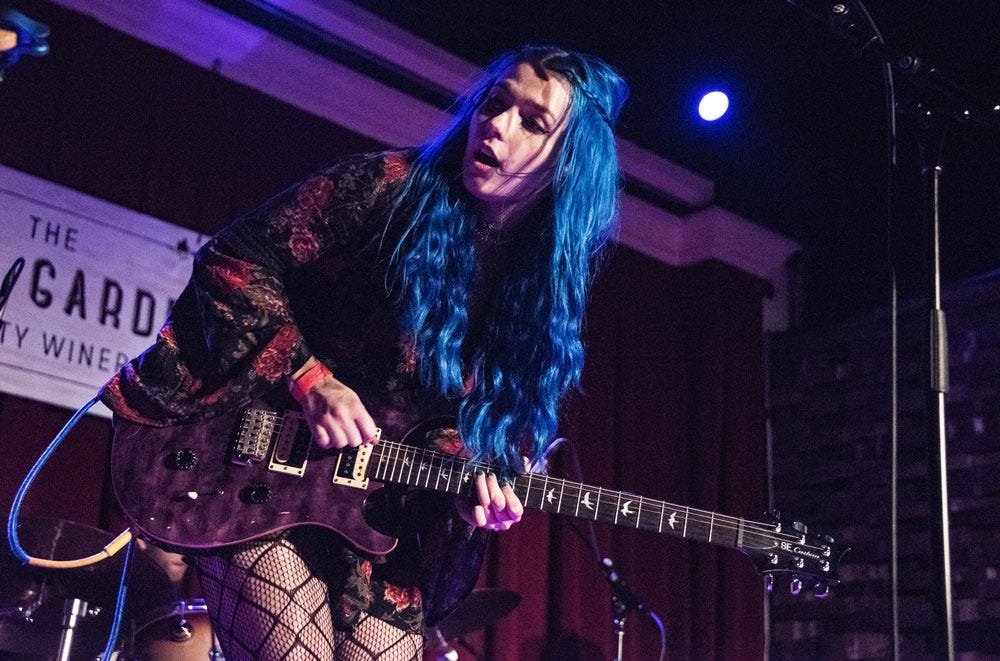
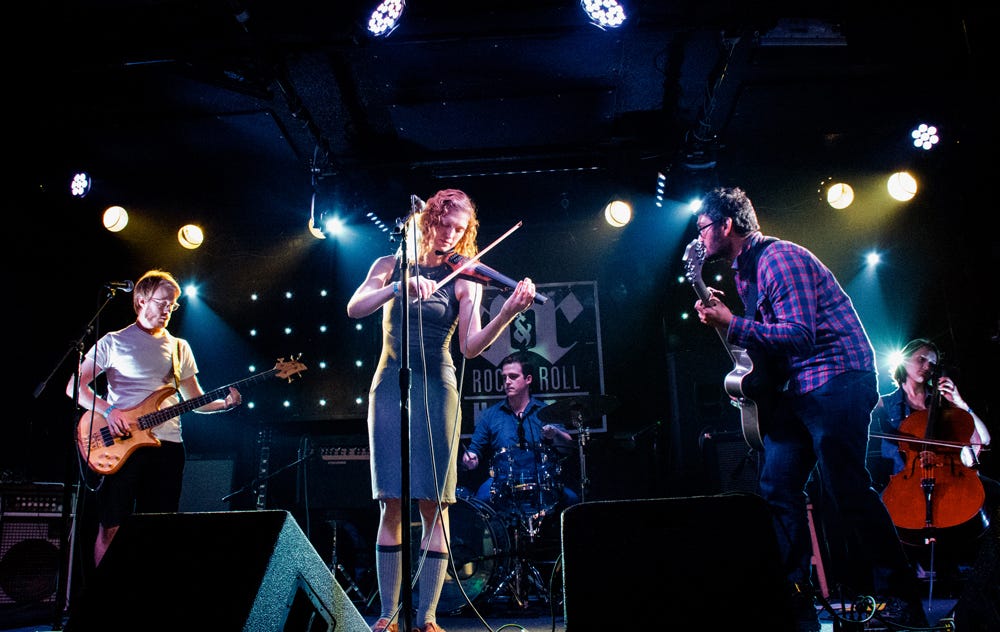
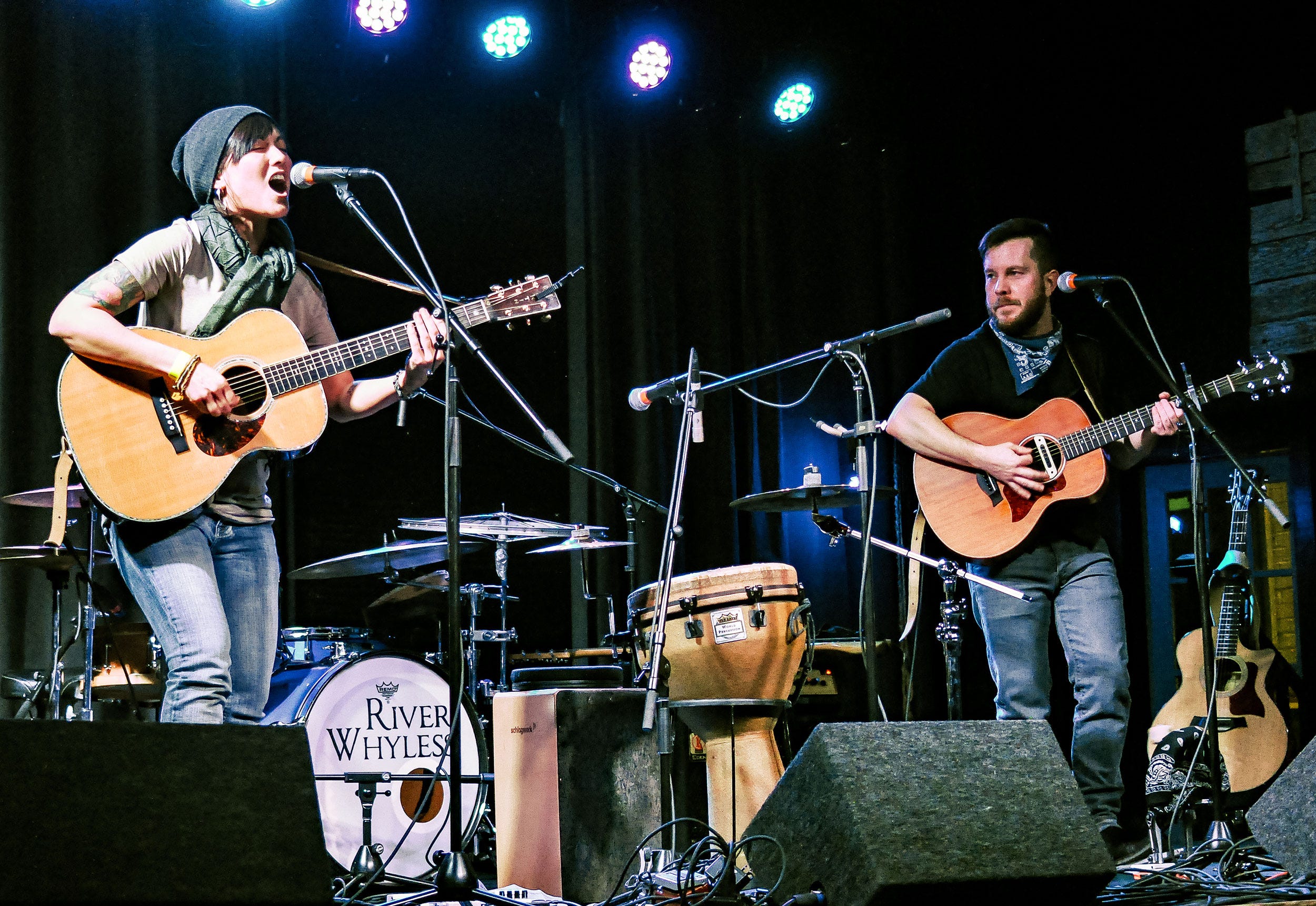
Then the pandemic hit and DC’s music scene collapsed. But there’s a reason that musical artists are called “creatives.” Soon enough bands like Spafford were performing in old drive-in theaters, audiences applauding with car horns. Venues tried holding social-distancing, masked shows but those events fell dramatically short where social connection and musician/audience interaction are crucial to a true concert experience. By June 2020 at least one DC area venue had figured out how to keep live music…alive. Vienna, Virginia’s Jammin’ Java began holding parking lot concerts, the shows fundraisers for artist supported charities (i.e. Black Lives Matter, Support for Abuse Victims).
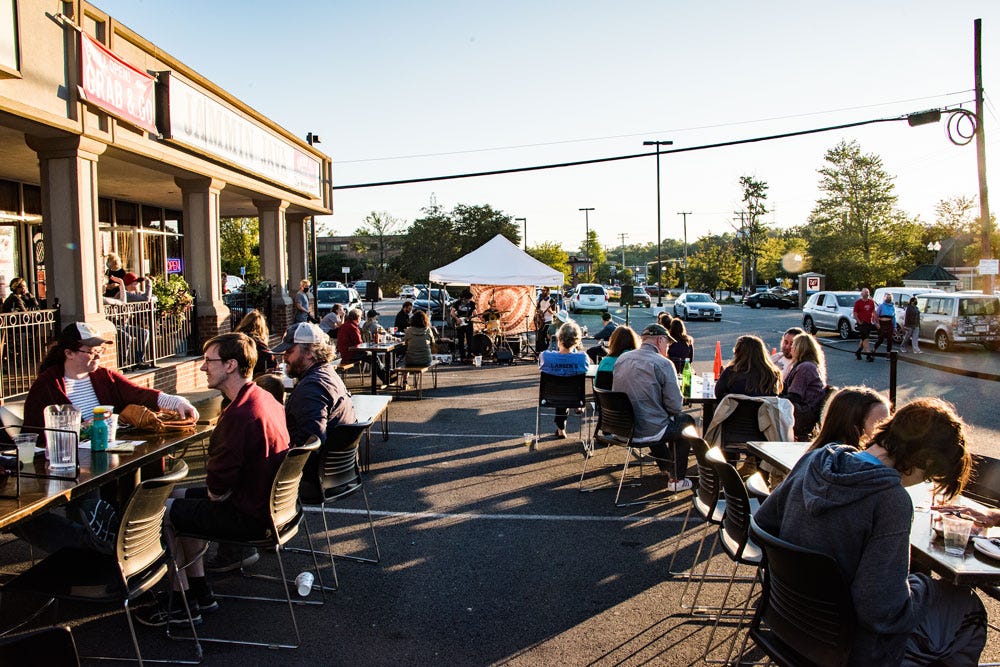
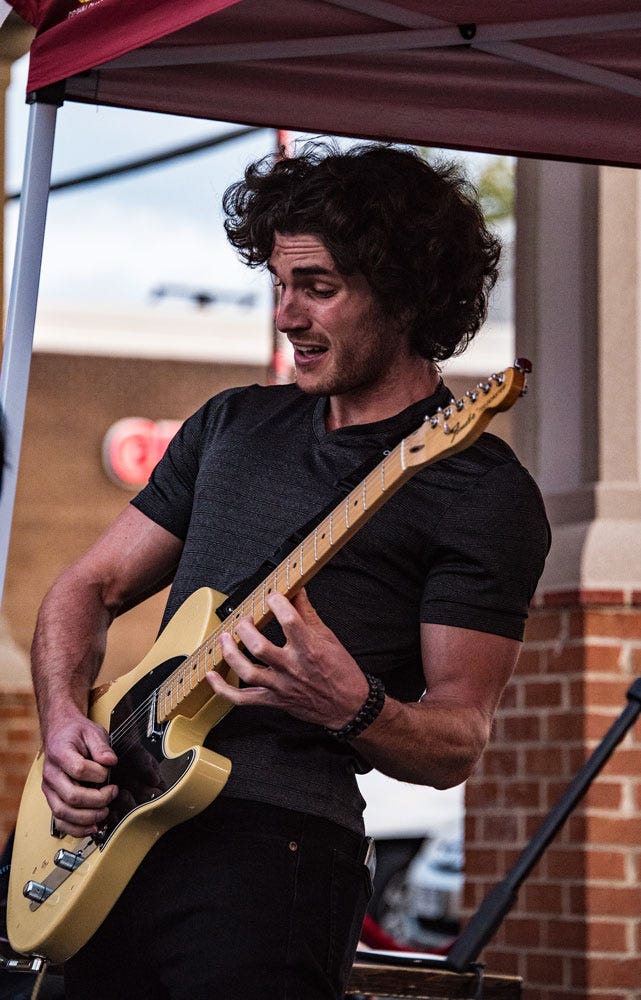
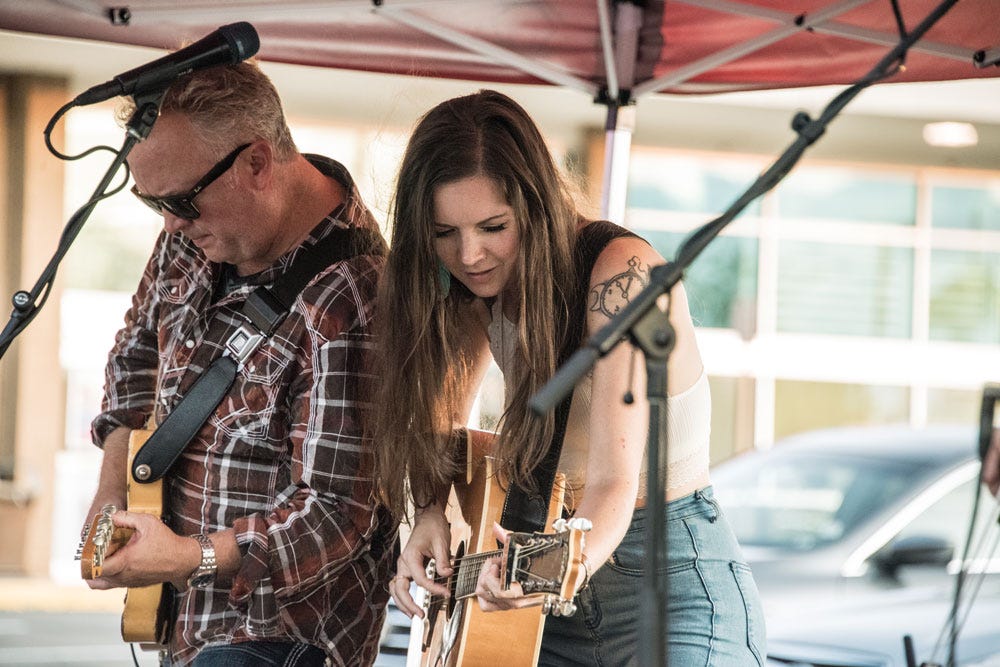
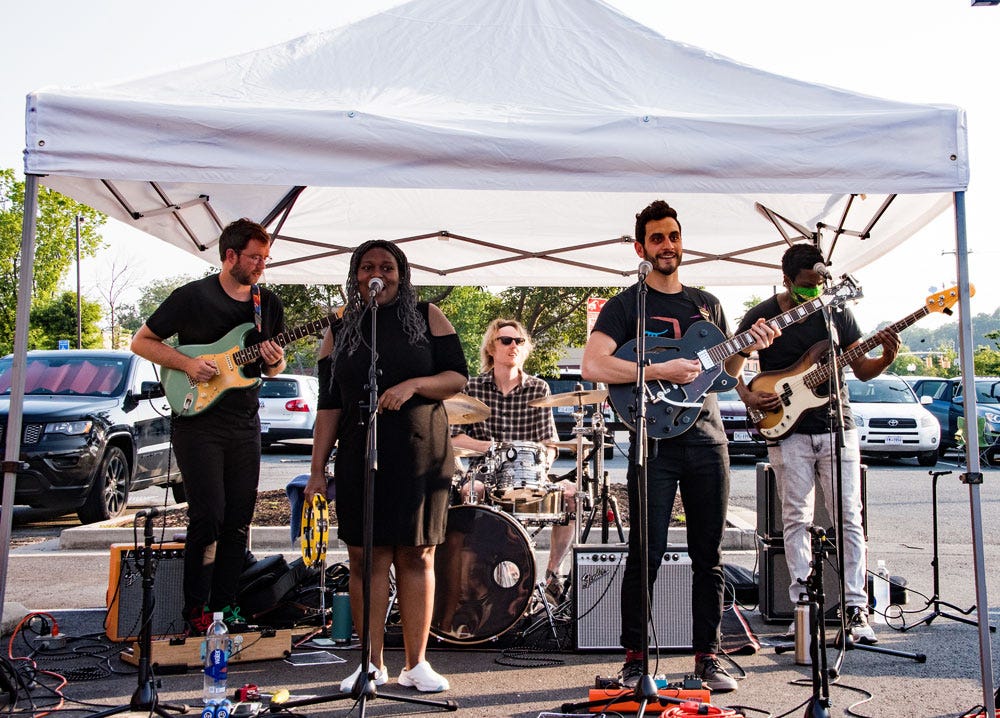
Now, parking lot shows aren’t exactly glamorous but did manage to provide the creative outlet/experience craved by fans and bands alike. Reflecting on that period now, six years later, artists showed their true colors: determination, need, flexibility, charity, and above all, talent.
Something else was at play, as well. Most musicians understand that the only way to make it in the music industry is to perform, debut new songs, and build an audience. The feedback, both positive and negative, musicians receive during a performance is invaluable and helps artists to grow in a way that isolation in a studio cannot. For local musicians, the small venues that provide open mic nights or spaces for artists to excel (or screw up) are incubators, an education system, a place to make mistakes, try new things. A school of rock, if you will.
By late 2021, when things had returned to some semblance of normal, tours began to pick up, and audiences began drifting back to concert venues, those parking lot shows faded into memory, like musical notes drifting into the sunset sky. But many of those players haven’t faded away. Frisiello has gone on to play in Steve Vai’s touring band. Elizabeth Cannon relocated to Nashville and has toured the world with the likes of Space Prom and Tanner Adell. Many others have gone on to solid musical careers touring regionally. And although Near Northeast disbanded, sadly, in 2022, Oh He Dead continues growing in popularity, releasing two post-Covid albums (with a new one on the way this summer), various EPs and singles, and just completed its first European/UK tour. Blaine Heinomen, the gritty half of Pretty Gritty, now drums for Portland, Oregon’s Glitterfox.
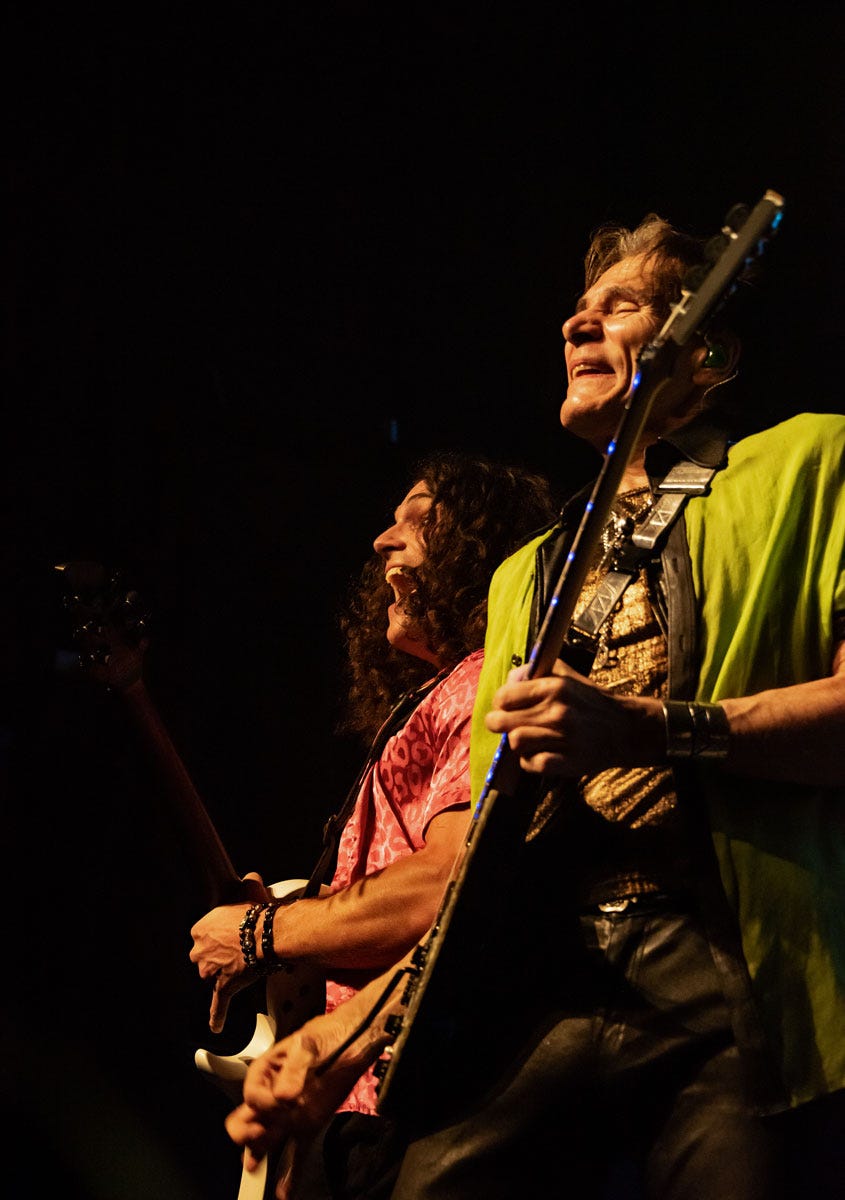
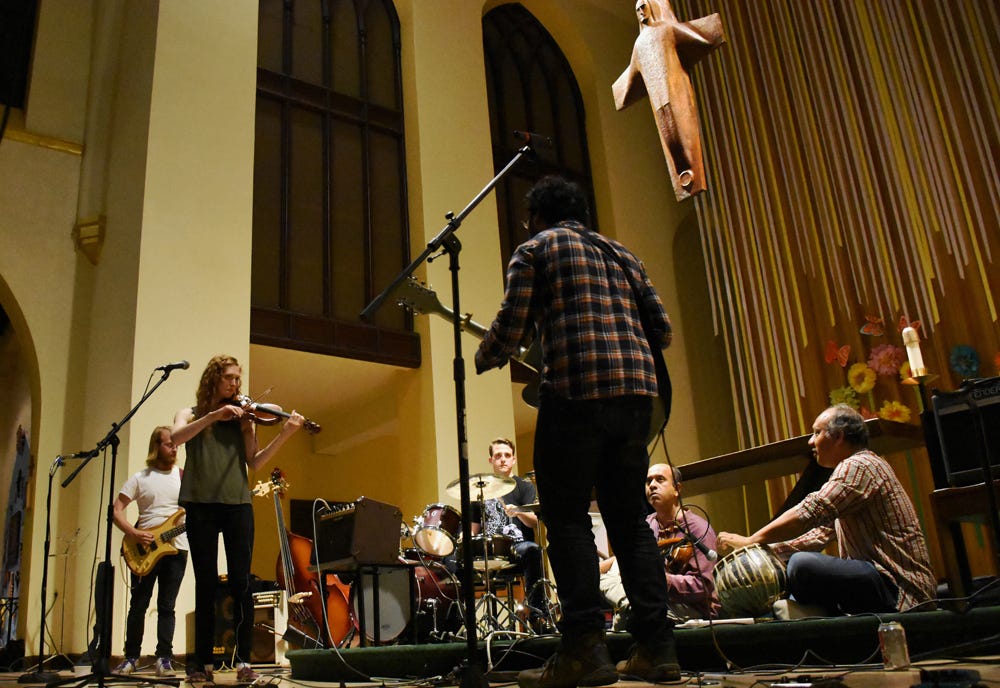
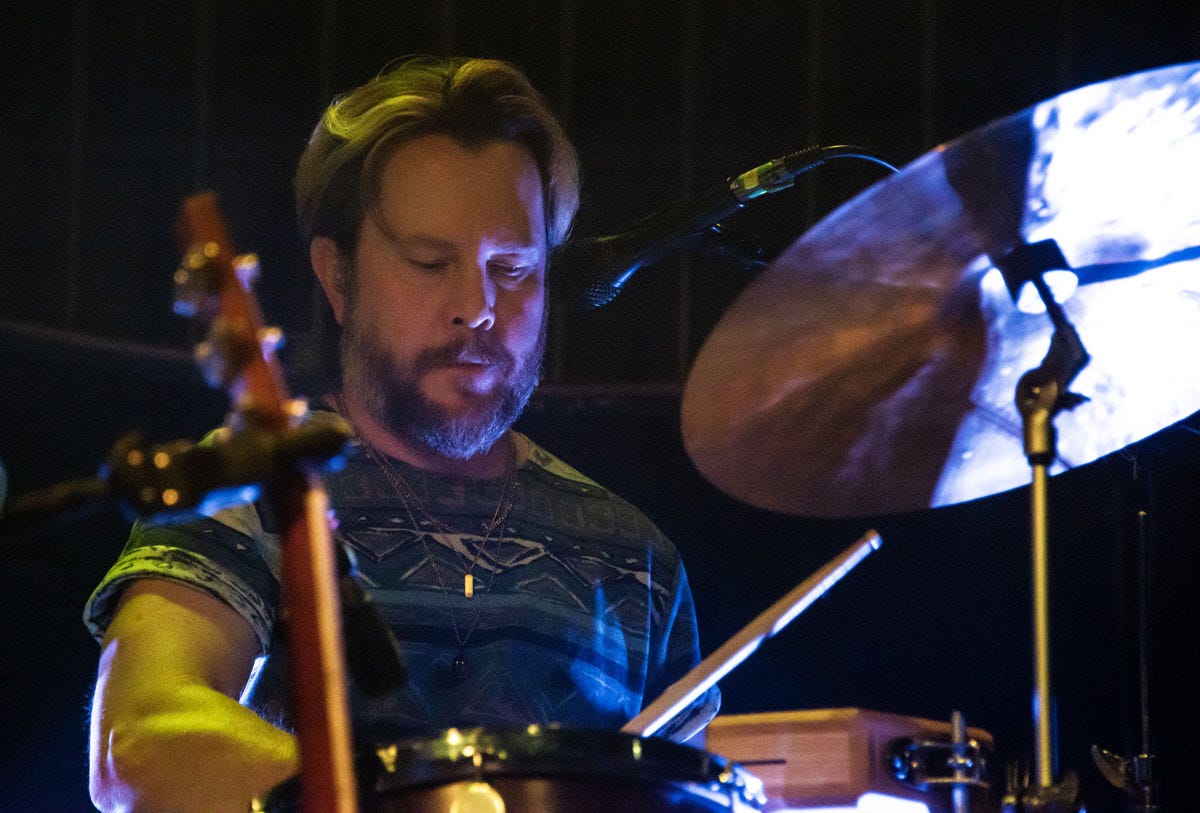
Although it’s a small city, Bellingham, Washington’s music scene is certainly as deep and rich as DC’s with artists from all musical genres performing regularly. From the larger “official” venues (Mt. Baker Theatre, Wild Buffalo) to smaller music rooms like Shakedown, Blue Room, and New Prospect Theatre all are dedicated to supporting local and regional talent. Additionally, countless bars, breweries, and listening rooms feature local musicians on a regular basis. And it is all affordable. Covers are minimal. No outrageous ticket fees. And the money you pay goes straight to support the artist and/or venue. Home grown musicians like Veronica North, Bellflower, Morgan McHugh, and Jenn Ryan sparkle in Bellingham’s music scene while regionally, artists like the Lowest Pair, Collins Beach, Dream Goats, and Eugenia Riot add to our rich musical tapestry.
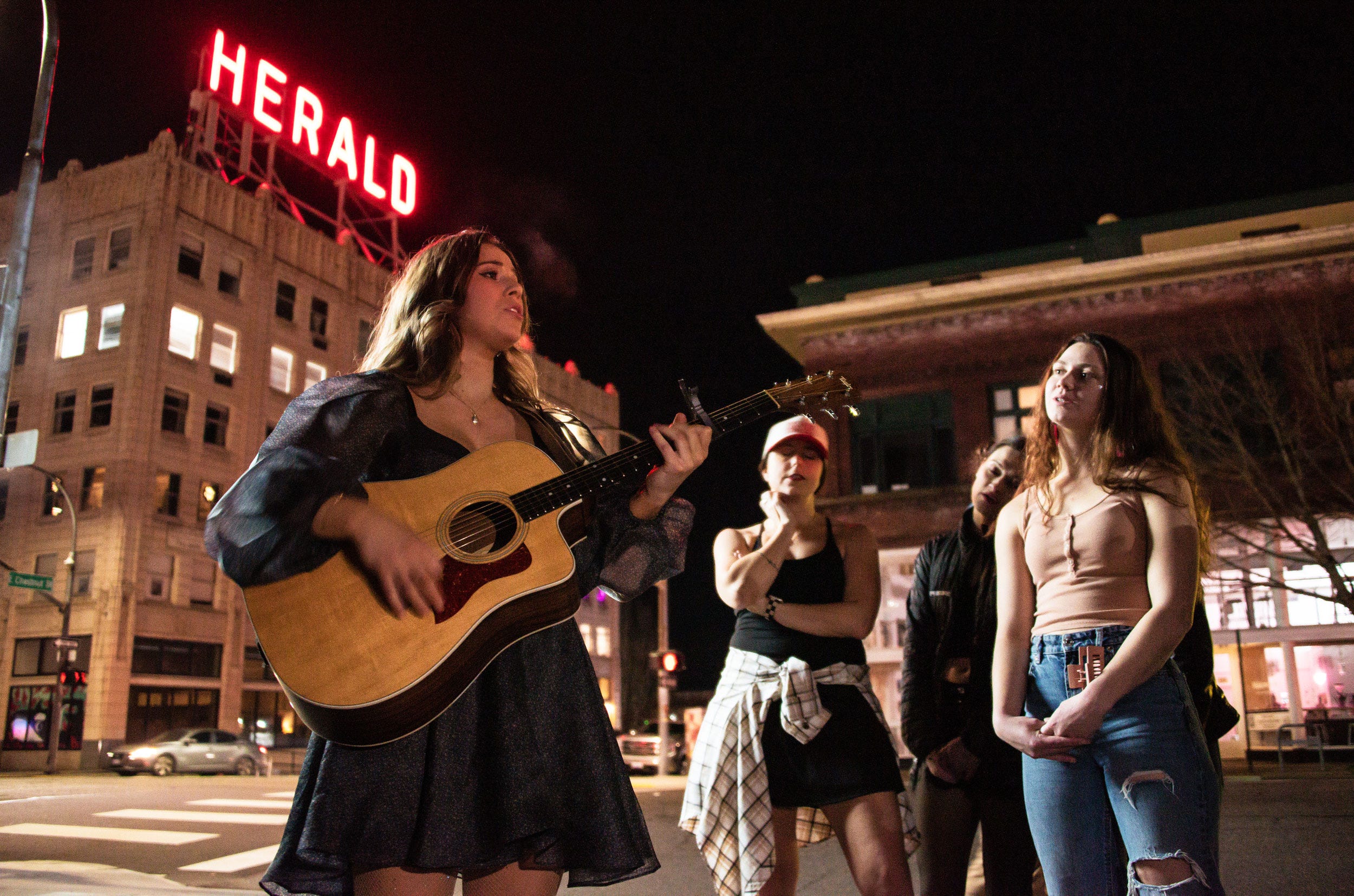
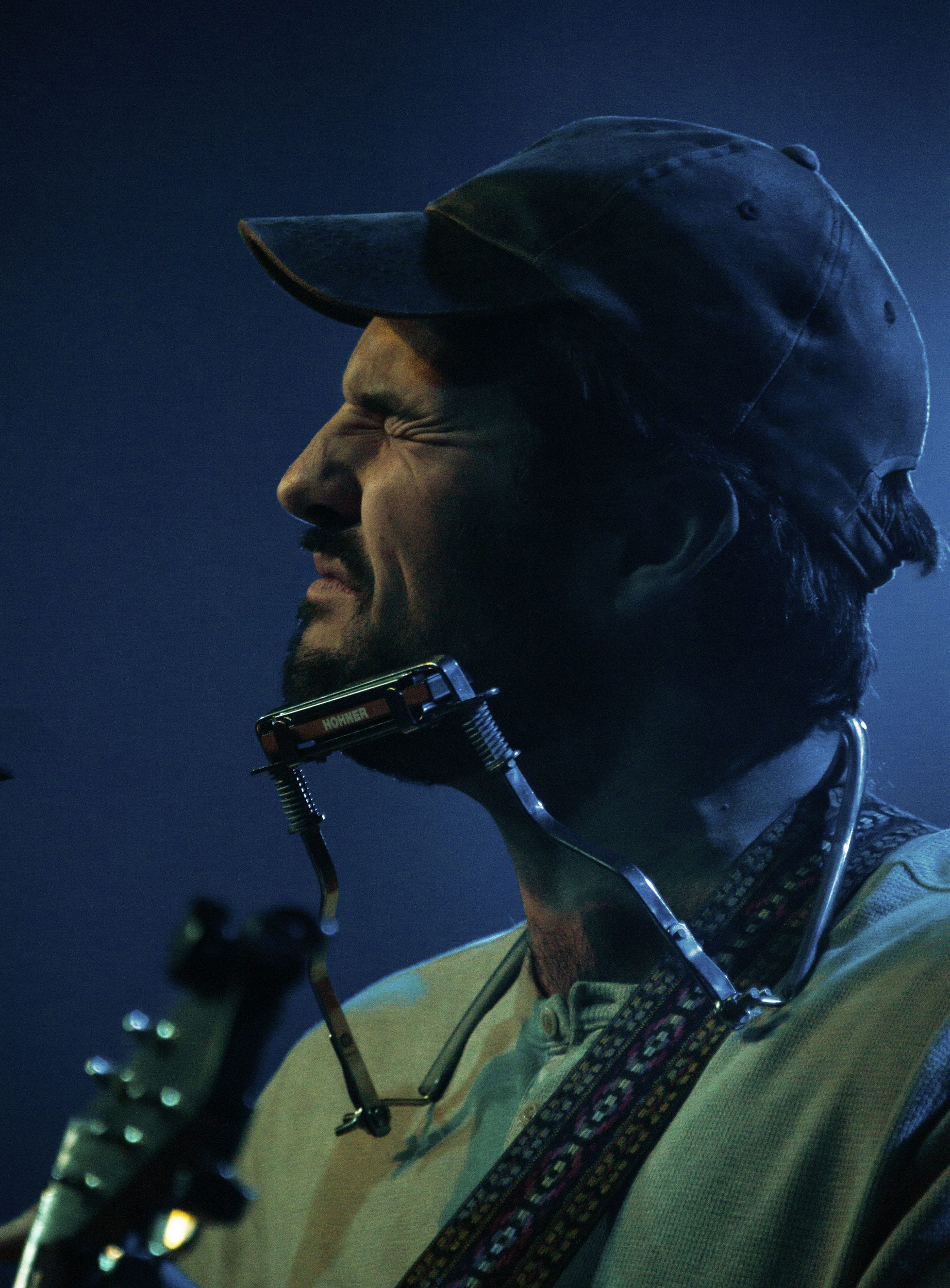
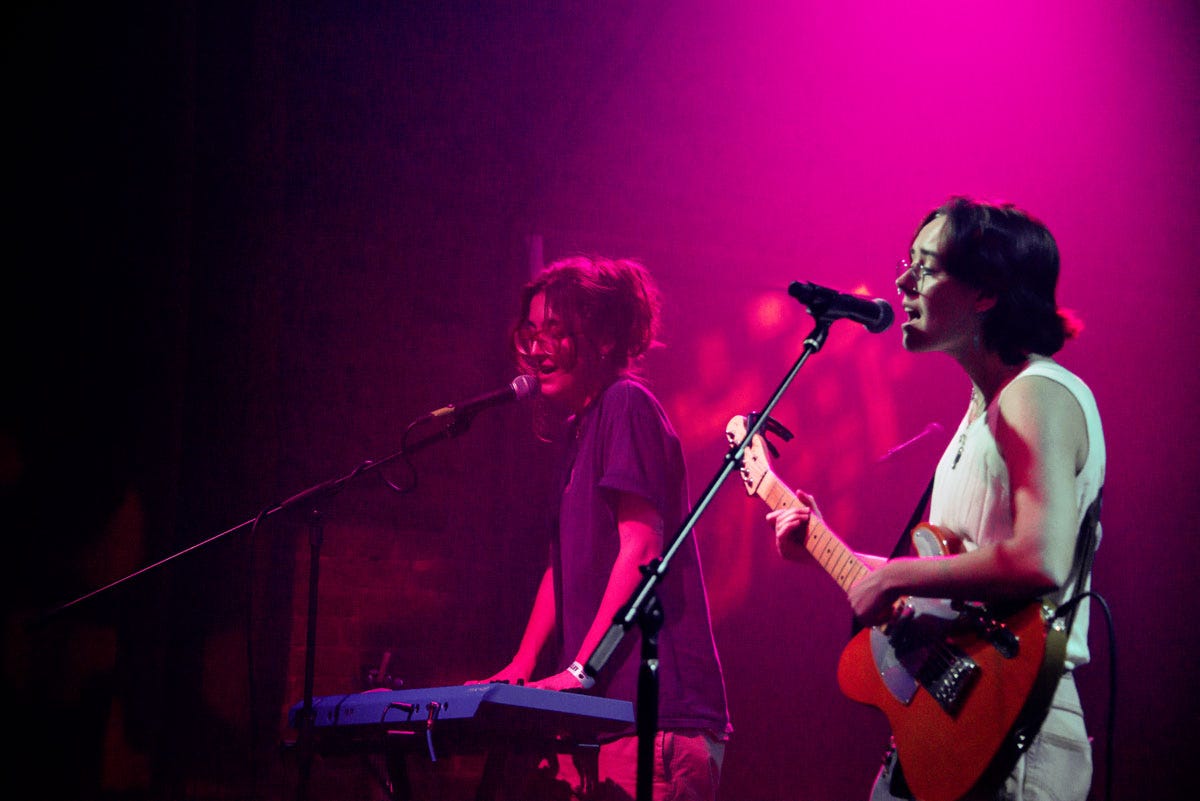
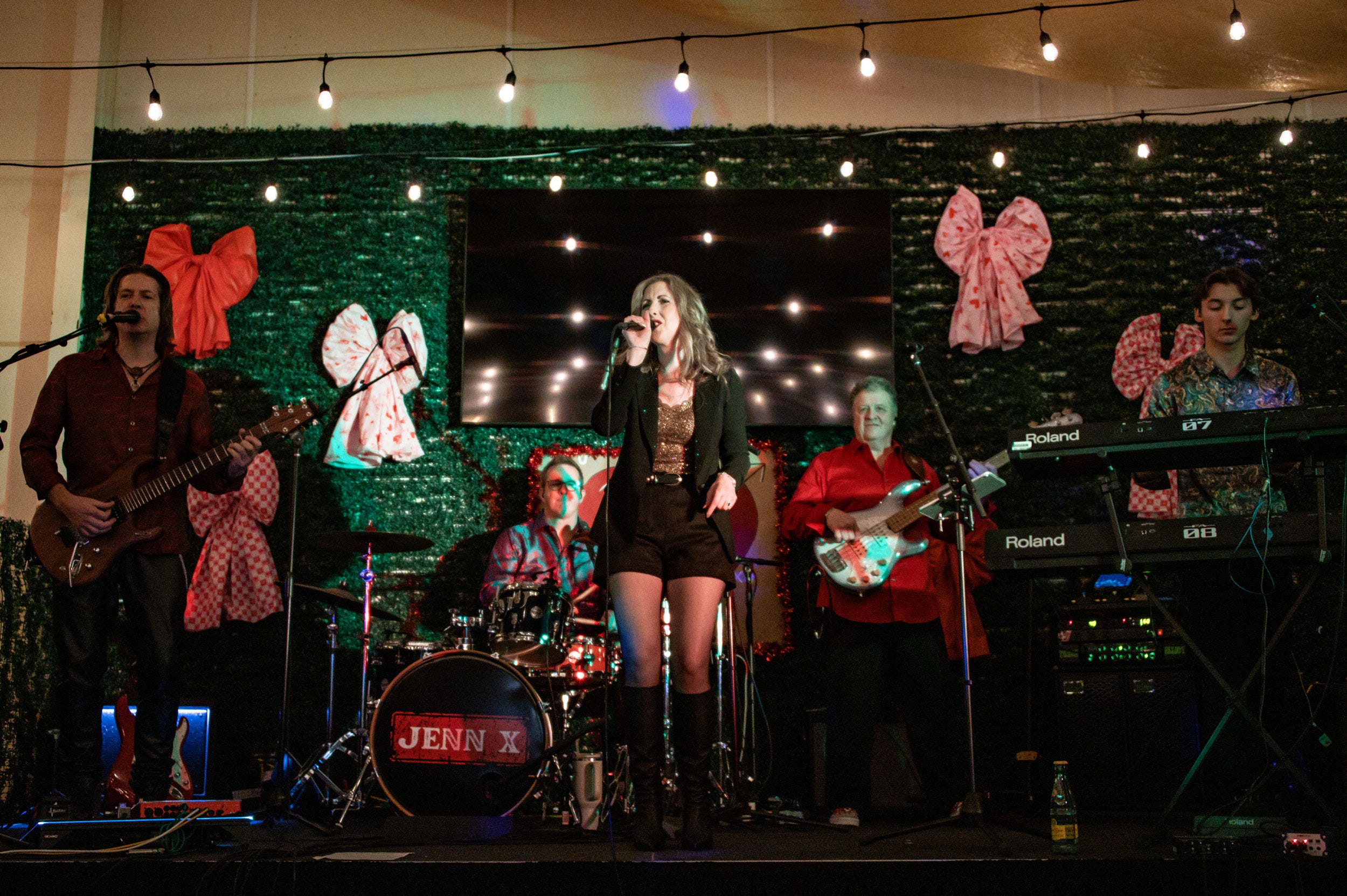
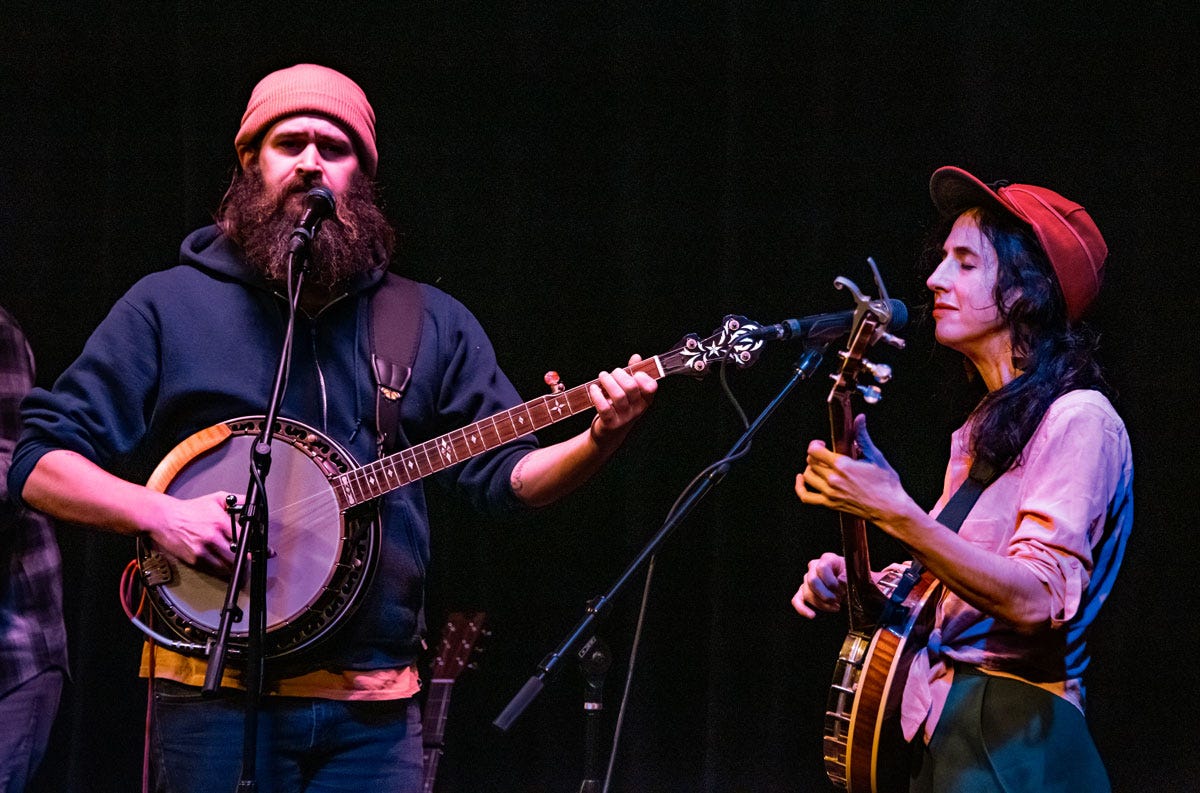
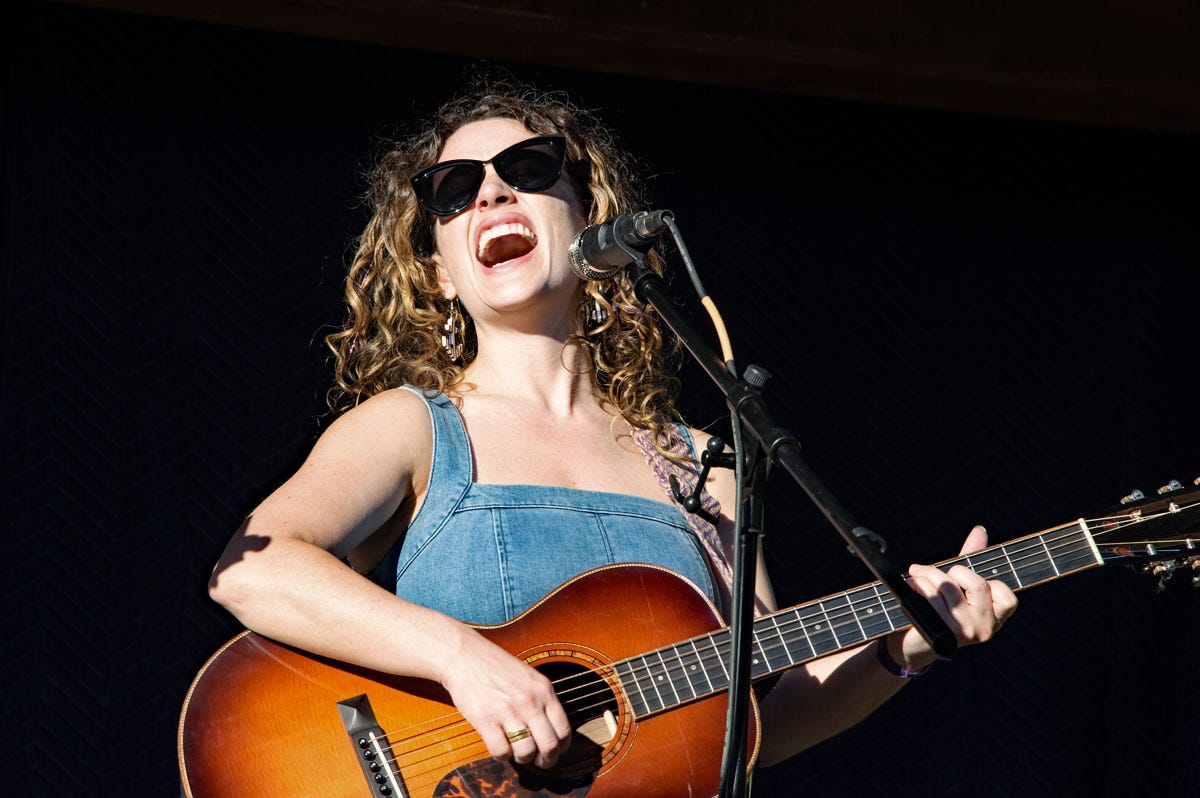
The Pacific Northwest is known for birthing grunge back in the 1990s but the region offers so much more. Musicians from Gambia, Zimbabwe, and other African countries regularly play in Bellingham. There is a surplus of Americana, singer-songwriter, jazz, and bluegrass players one can see every night of the week. And, of course, good old-fashioned rock is always well represented; Bellingham’s artistic talent invariably and consistently shining through.
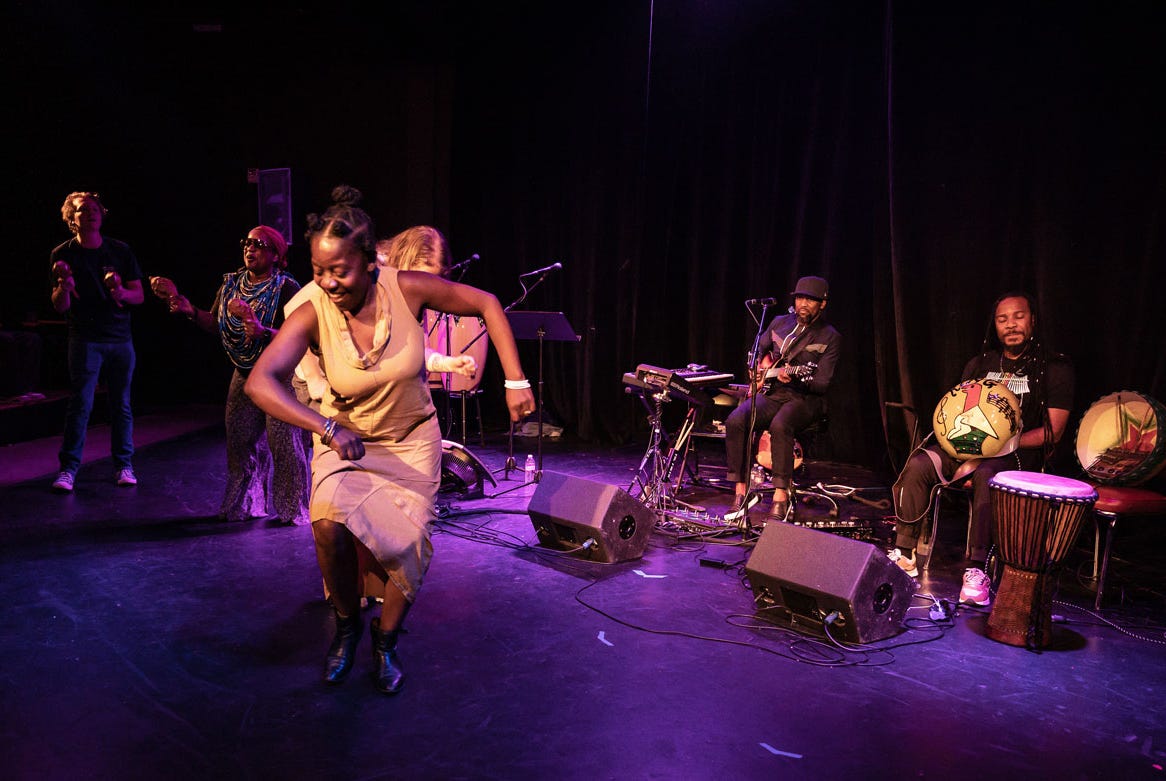
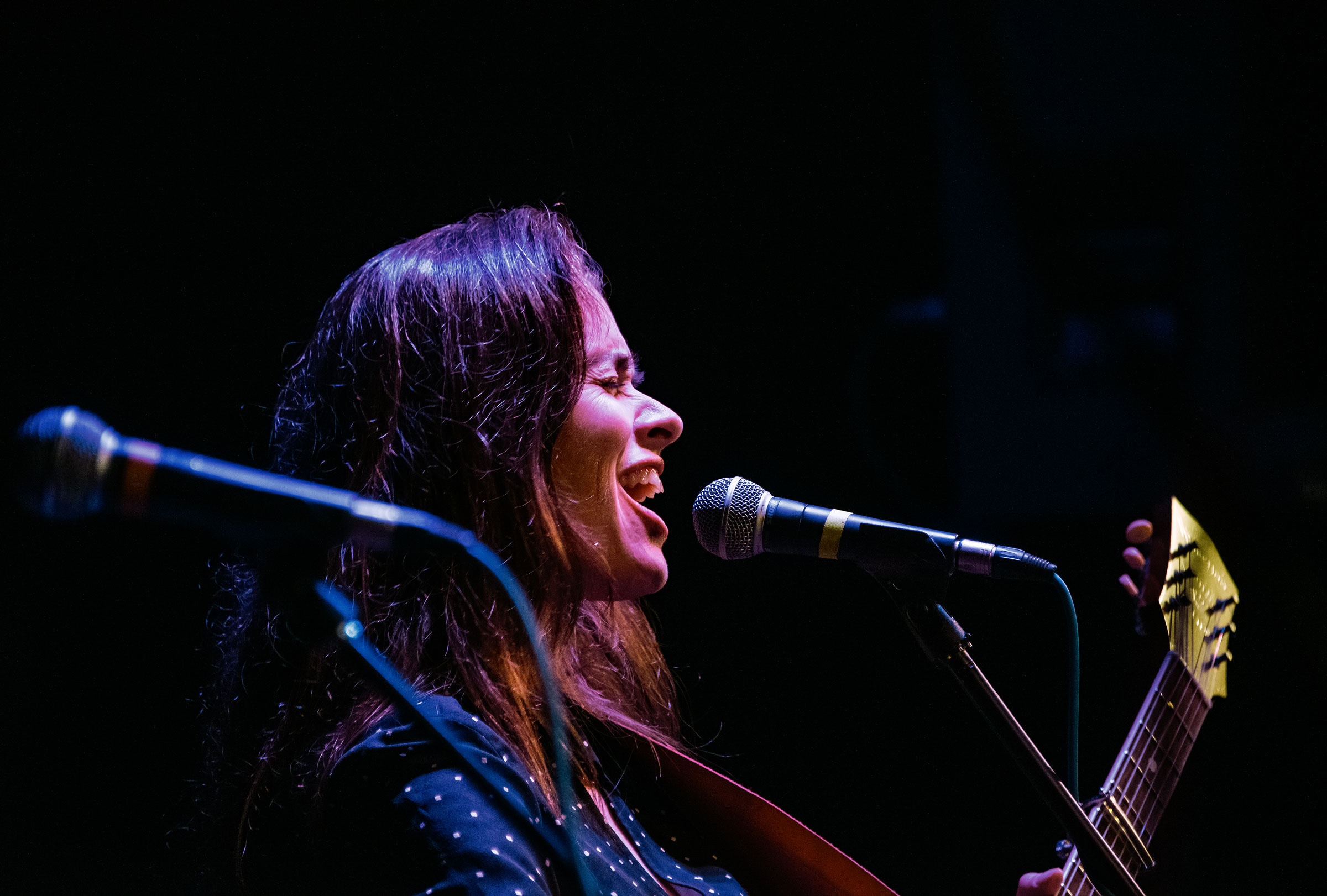
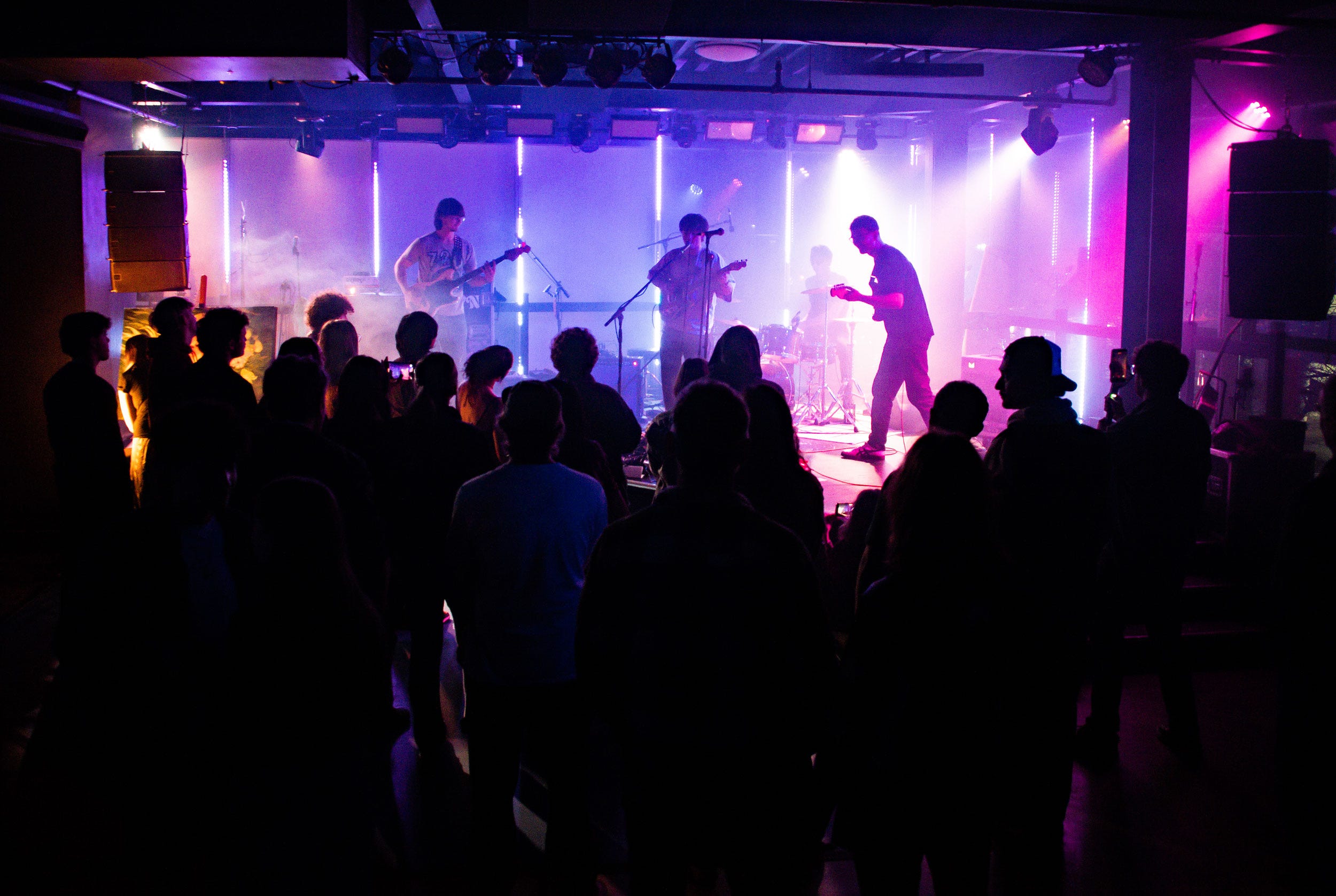
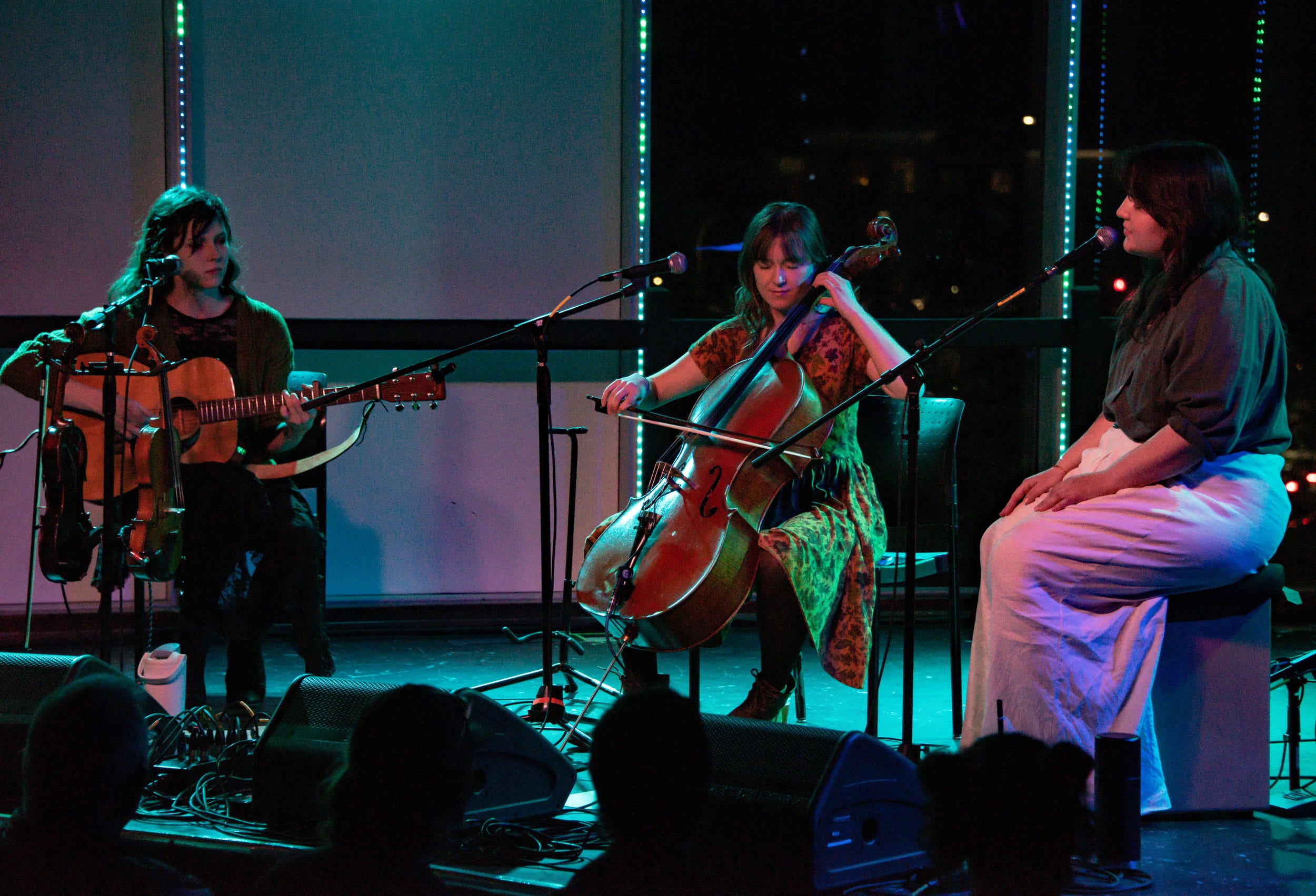
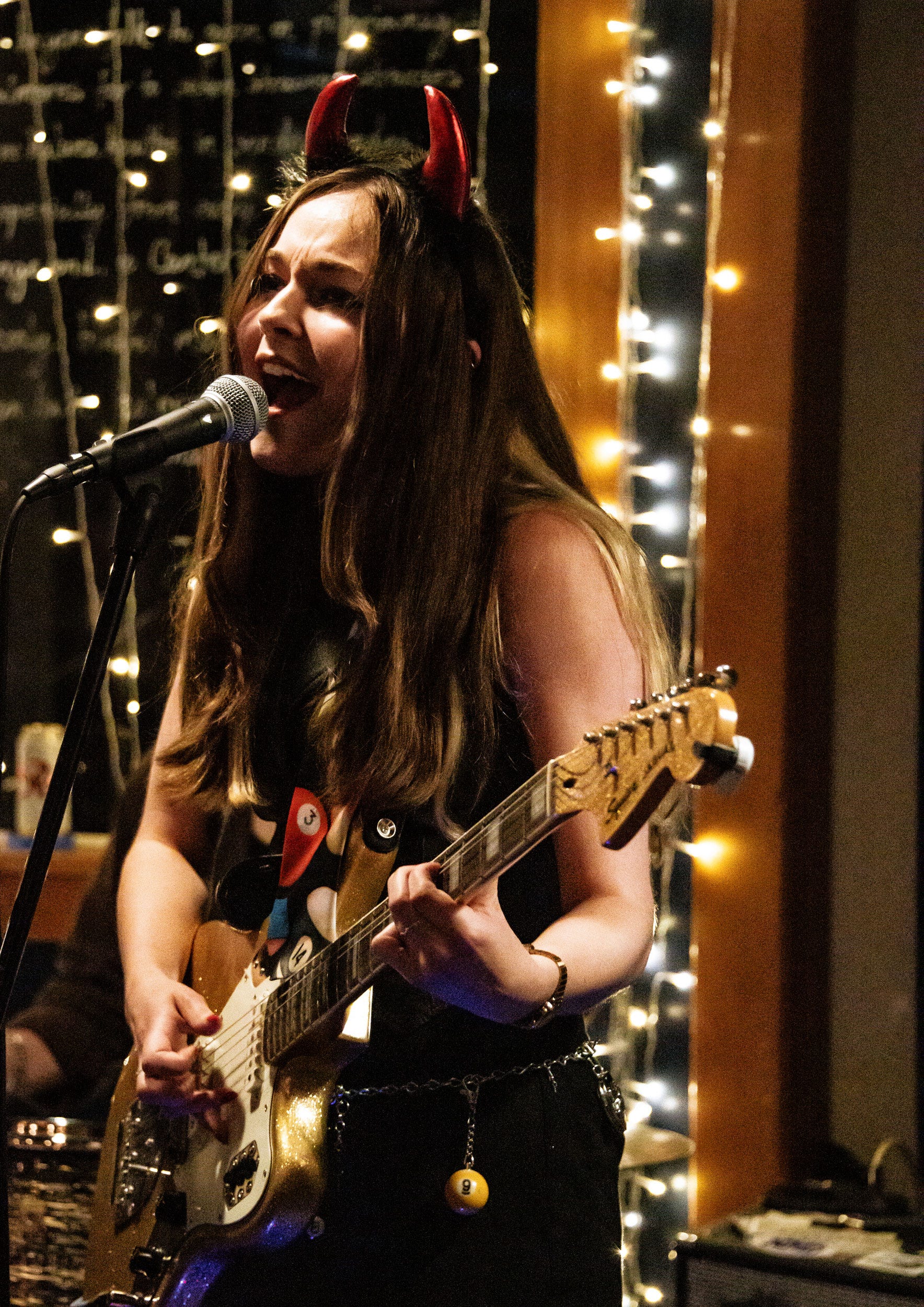
In an era when music is ruled by algos, streaming, and AI’d, live performance has also become increasingly sanitized. Click tracks, autotune, canned onstage banter, synchronized lighting, and an expectation that each show on a given tour be exactly the same has extracted the spontaneity from live performance. Live music is more satisfying, though, when the element of danger lurks just ahead; live performance, creating art in the moment (quite literally) is fraught and unpredictable; when a sublime, spontaneous, moment of beauty or a musical trainwreck can manifest at any moment. Paradoxically, when the band plays through the bum note, missed cue, or technical failure, those are the moments when live music matters, overcoming obstacles, forging ahead-when the art is a breathing, living thing. We might even say, live music is life.
“You need music, I don’t know why. It’s probably one of those Joe Campbell questions, why we need ritual. We need magic, and bliss, and power, myth, and celebration and religion in our lives, and music is a good way to encapsulate a lot of it.” – Jerry Garcia
(All photographs @Mark Caicedo/PuraVida Photography)