
Loss…and Found
A Story of Recovery, Part II

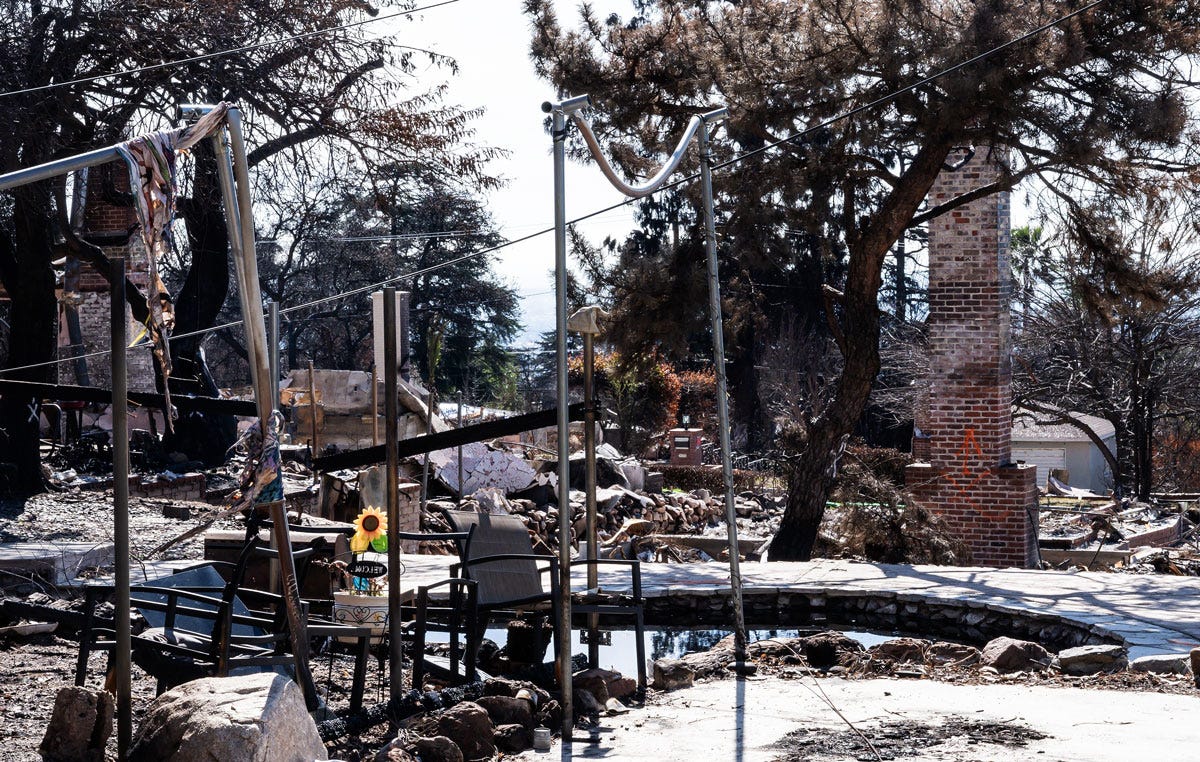
In January 2025, several of my relatives suffered shattering losses as a result of the Eaton (Altadena) and Palisades fires in Southern California. Within hours their three homes, like those of thousands of others, were devastated, lives shattered. Nothing could have prepared them for the unfathomable loss, the path forward obscured like the billowing smoke of those wildfires.
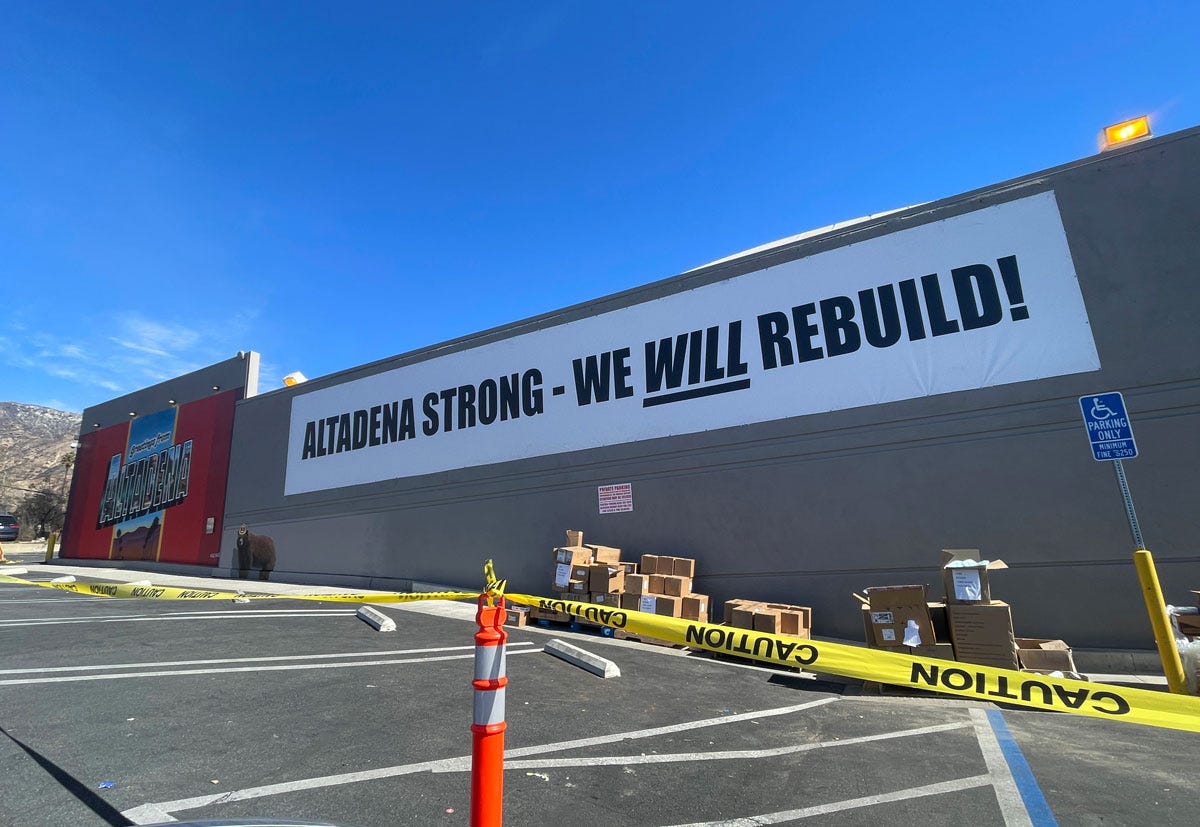
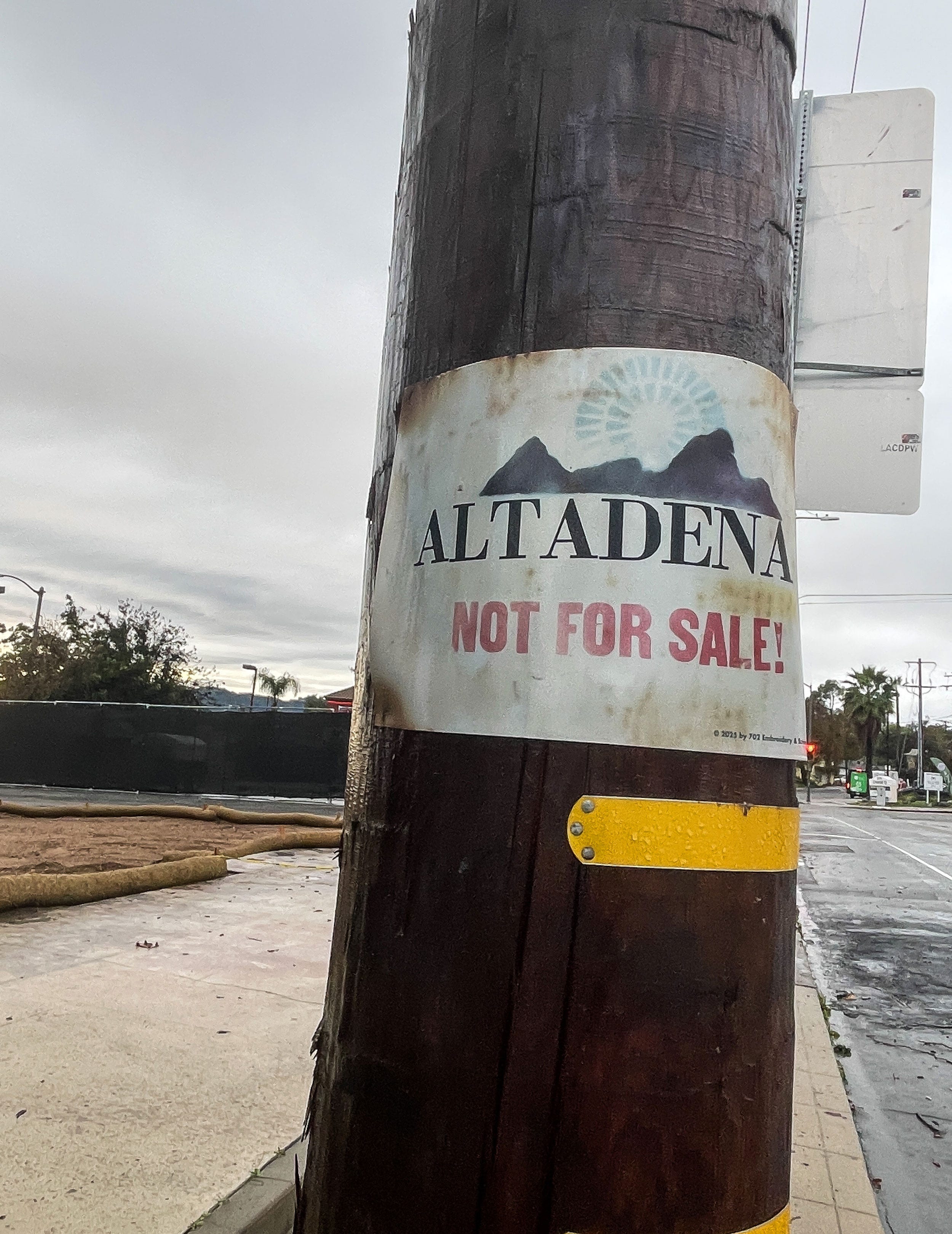
Although a year and a half has now passed, the tragedy still feels close. Much has happened in those 18 months; debris cleared, soil tested and remediated for toxins, displaced neighbors reaching out to one another, communities finding their way back together, and the cascade of endless decisions attempting to answer those forever questions, “why me and what’s next?” Those choices have become a daily reminder of the original tragedy but despite the myriad challenges, they persevere, moving forward with rebuilding. Yet, to wander around that Altadena neighborhood is to witness the agonizing and frustrating daily reminder of empty lots whose owners can’t, won’t, or are unable to rebuild.
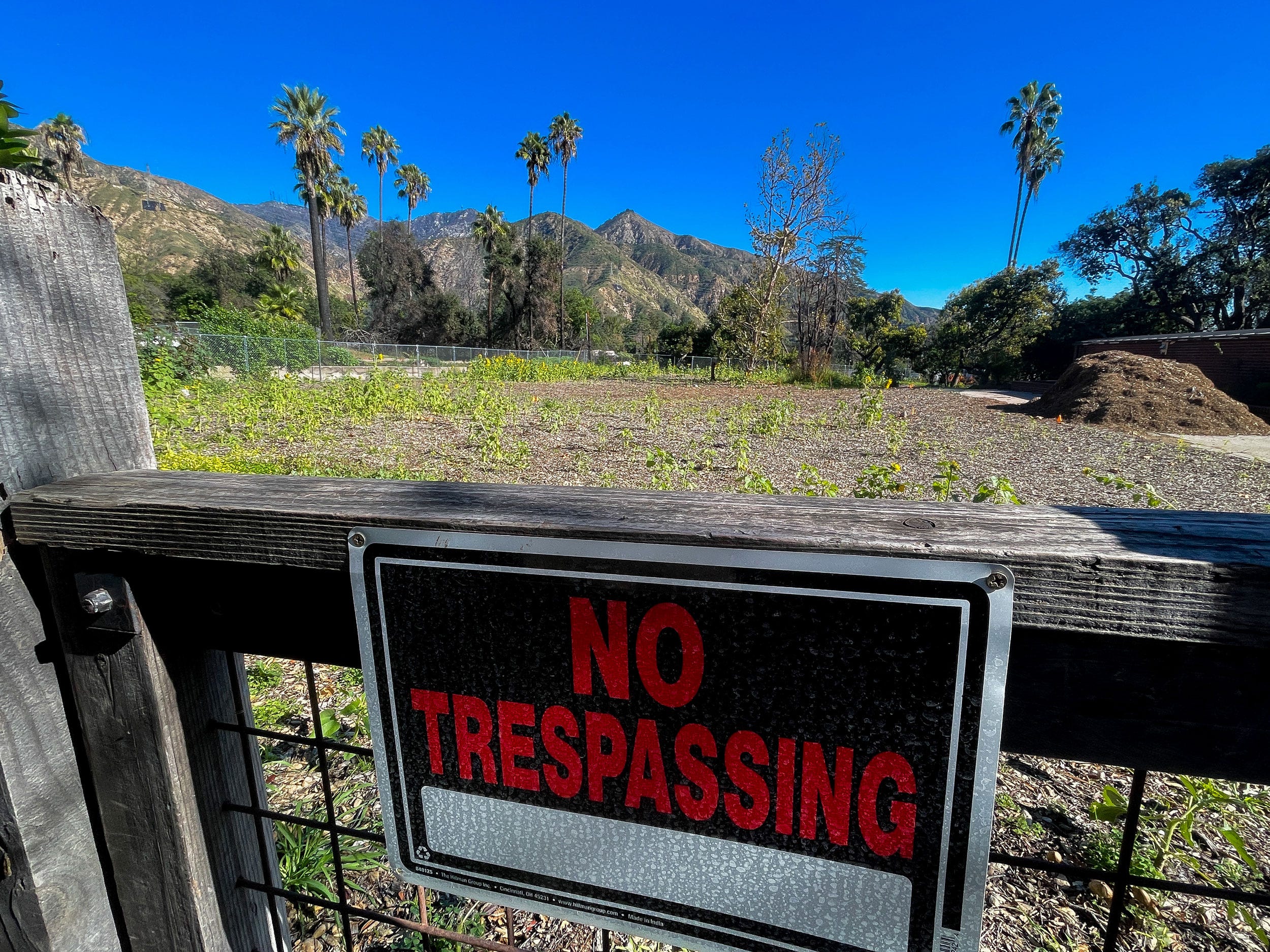
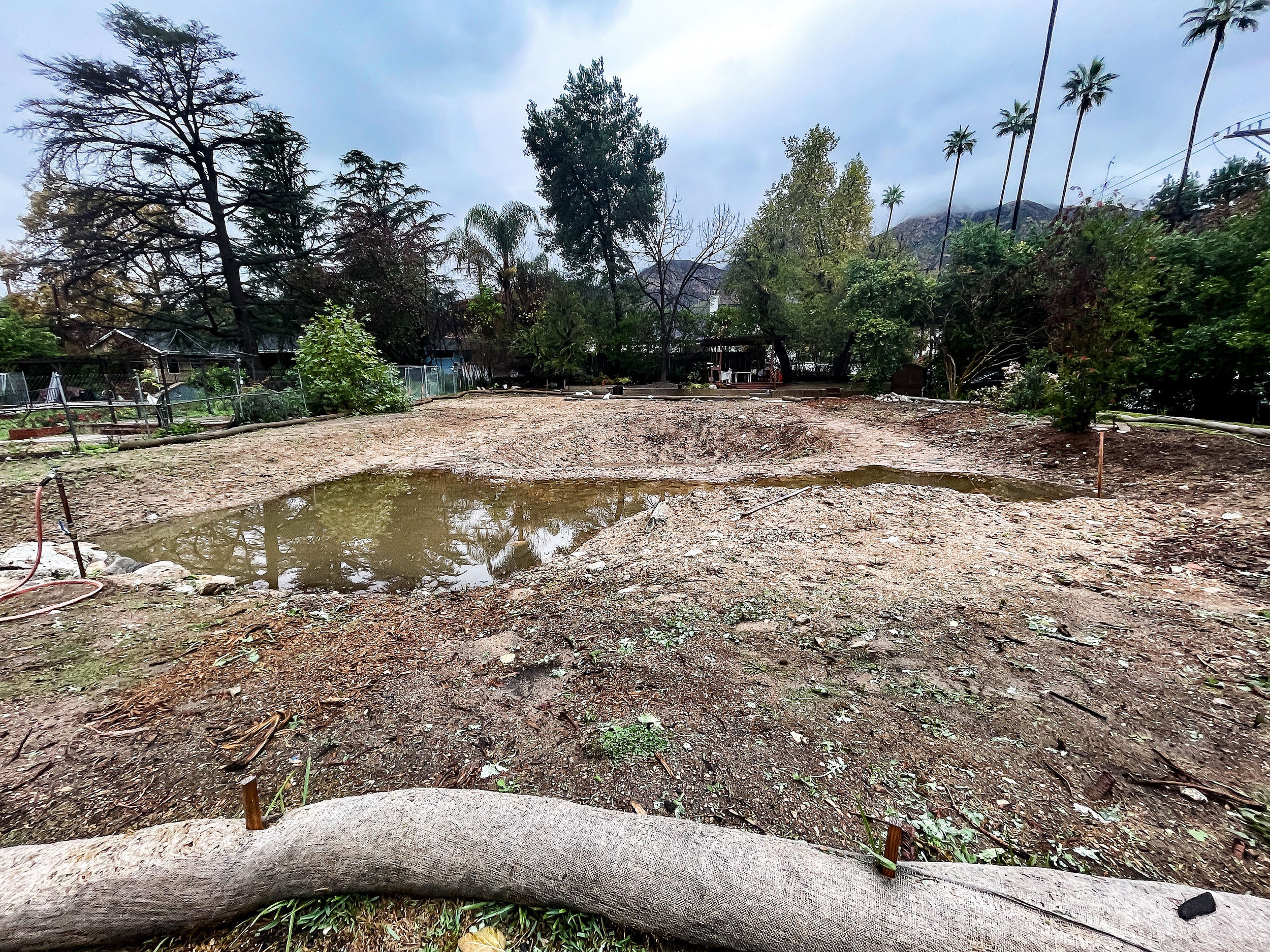
But loss and recovery are not sequential. Both can and do exist simultaneously.
++++++++++++++++++++++++++++++++++++++++++++++++
Loss comes in many forms. Death, the terrible finality of it, the most obvious but loss that people survive is equally traumatic. Natural disasters like earthquakes, tornadoes, hurricanes, and floods take a dreadful toll. But fire is another matter entirely. Fire consumes everything. Furniture, pots, pans, and plates, vintage wallpaper as well as the wall itself, irreplaceable art, entire structures. Tangible losses, reported to the insurance company, can be replaced (eventually) but what of the things not so easily restored?
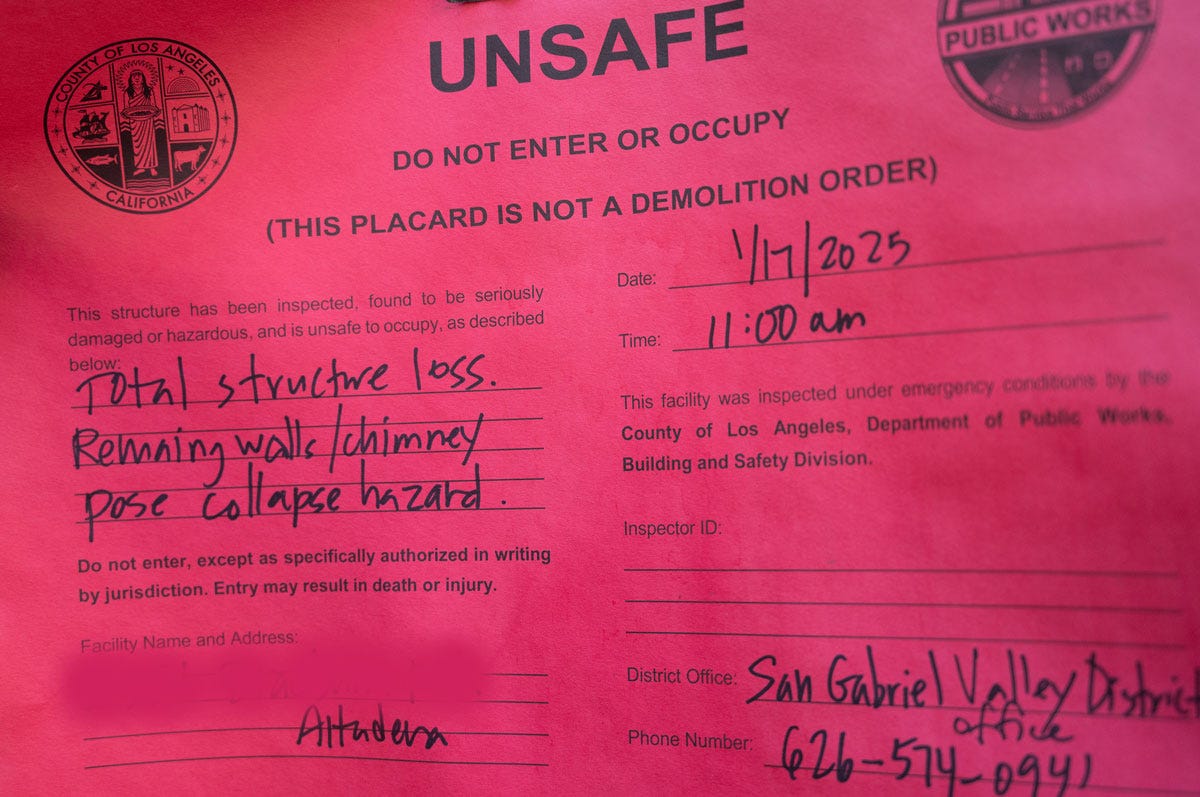
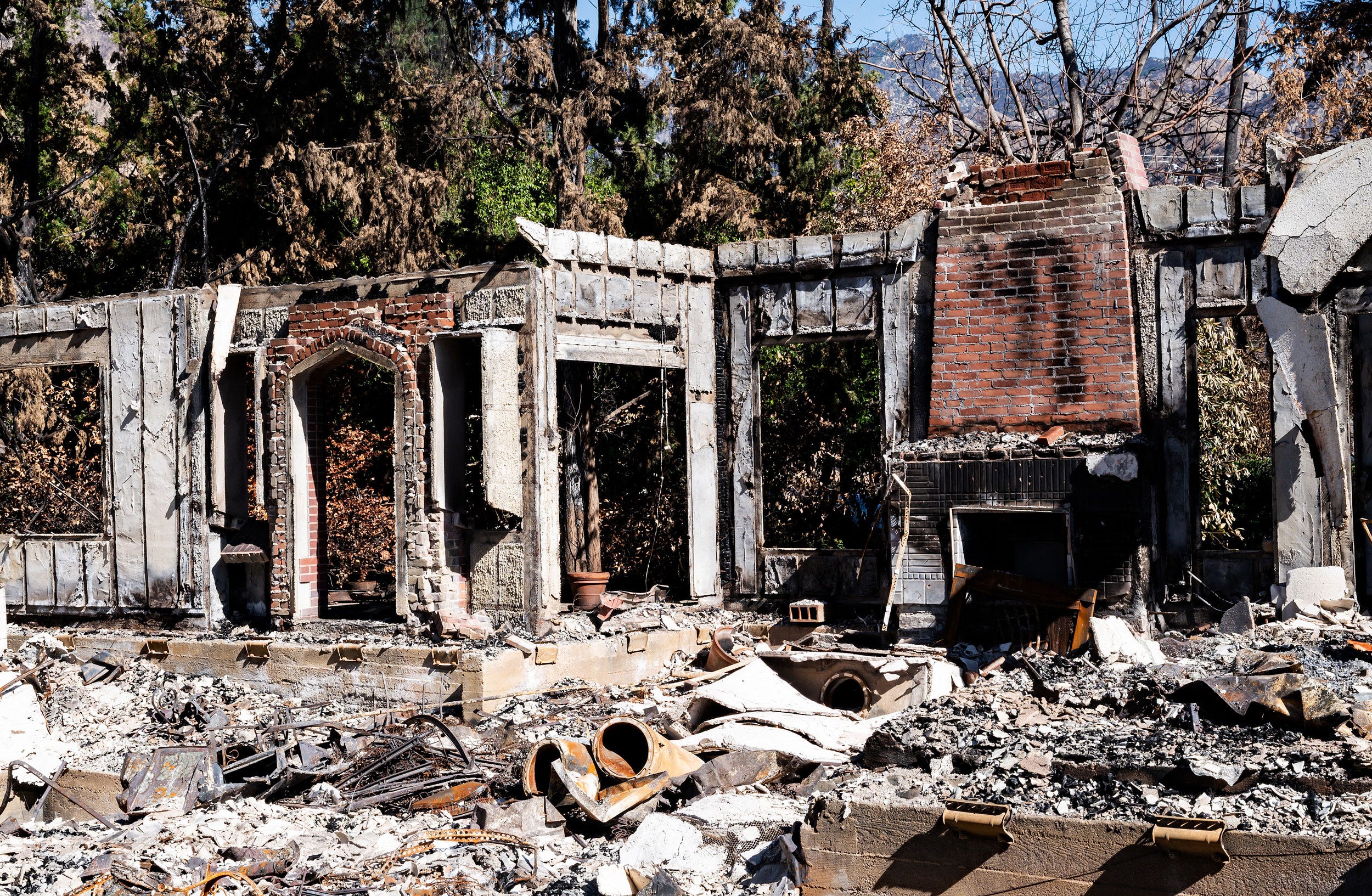
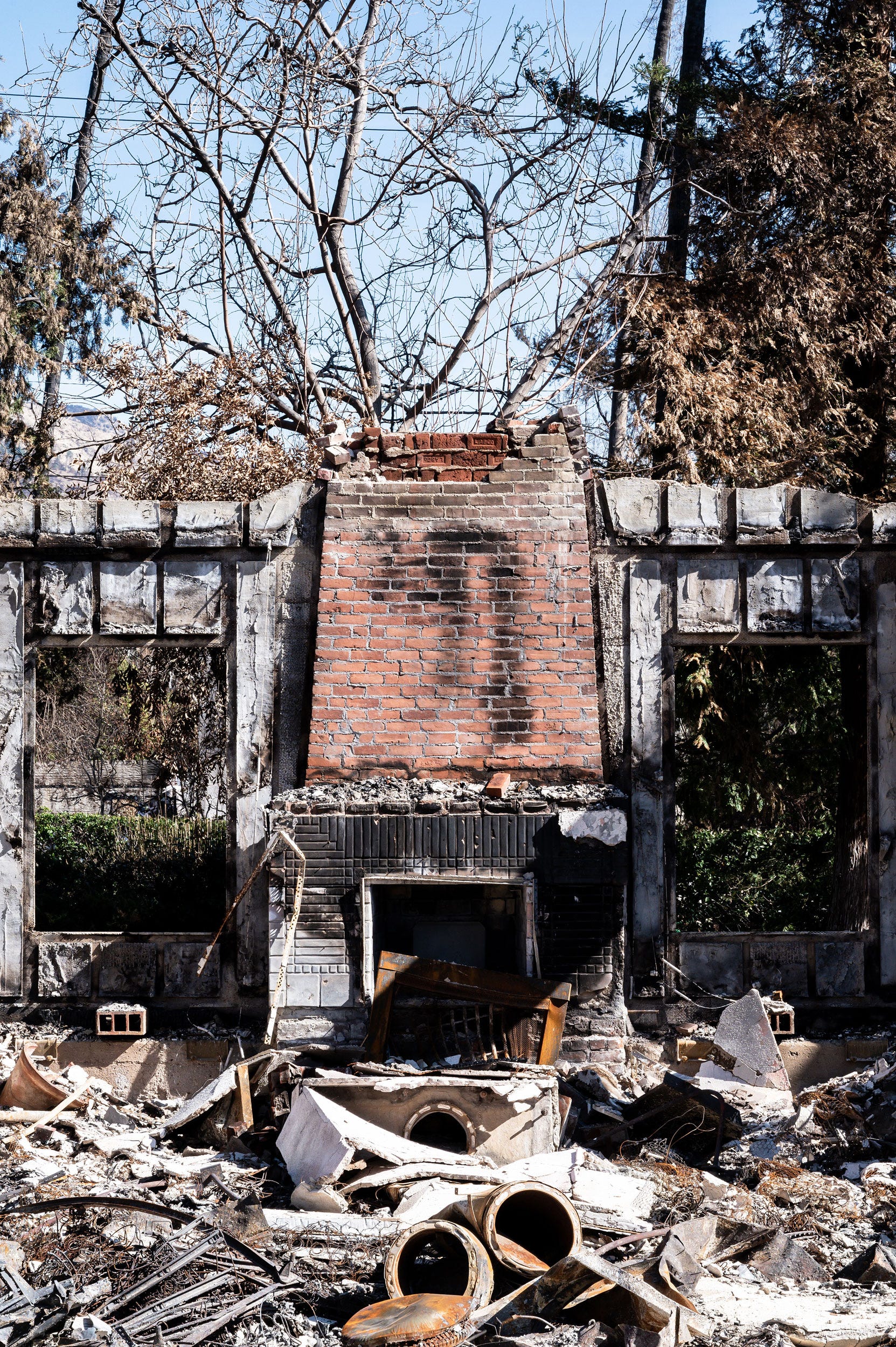
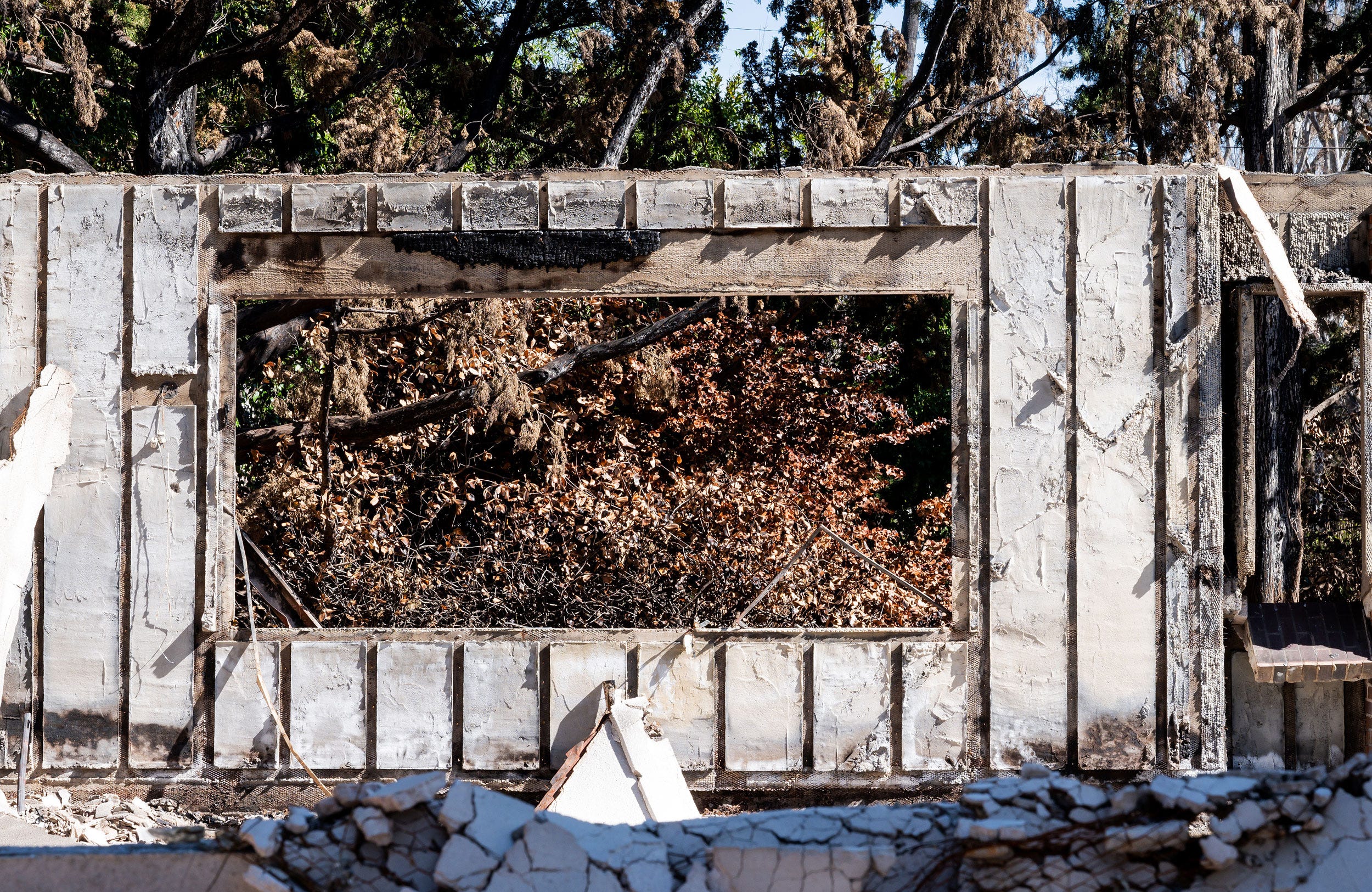
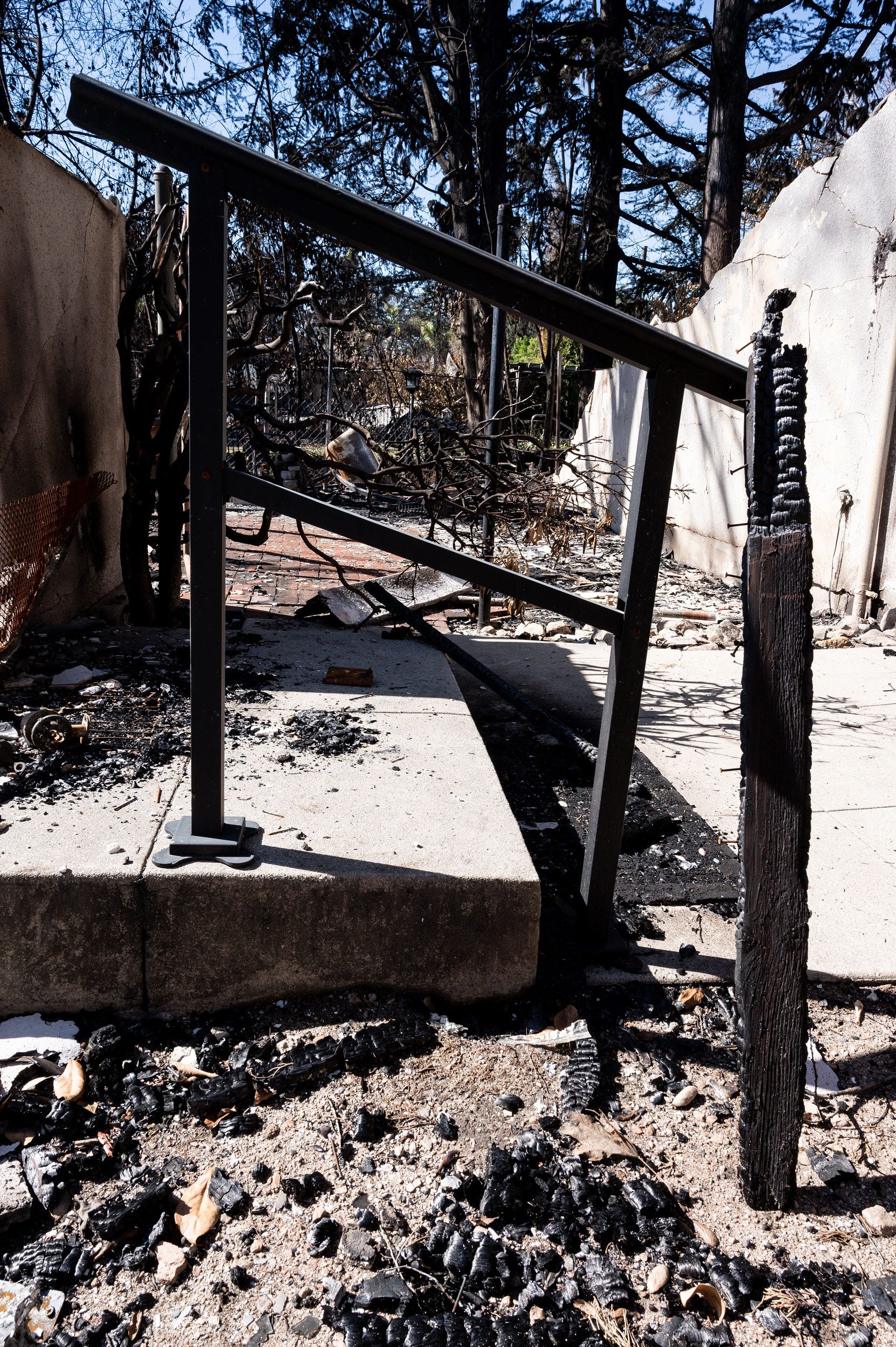
Fire steals so much: the yearly photos of a daughter on her first day of school; that special book you’ve had since you were a kid; the collection of irreplaceable concert tickets and fanzines; houseplants and towering redwoods; a hand-carved chest brought from China decades ago; a dollhouse you’d hoped to pass on to your children one day. The car your father drove across a continent a lifetime ago. The familiar path to the bathroom you instinctually follow half asleep in the dark, the doggie door that’s given entry and exit to half a dozen dogs, prom dresses, love letters, handmade violins, a 19th century bible, vintage record albums; the kitchen junk drawer where any item might be found. The home in which you’ve lived for well over half a century, precious memories prompted by those physical objects, reduced to ash and rubble in a matter of hours, minutes. Future generations robbed.
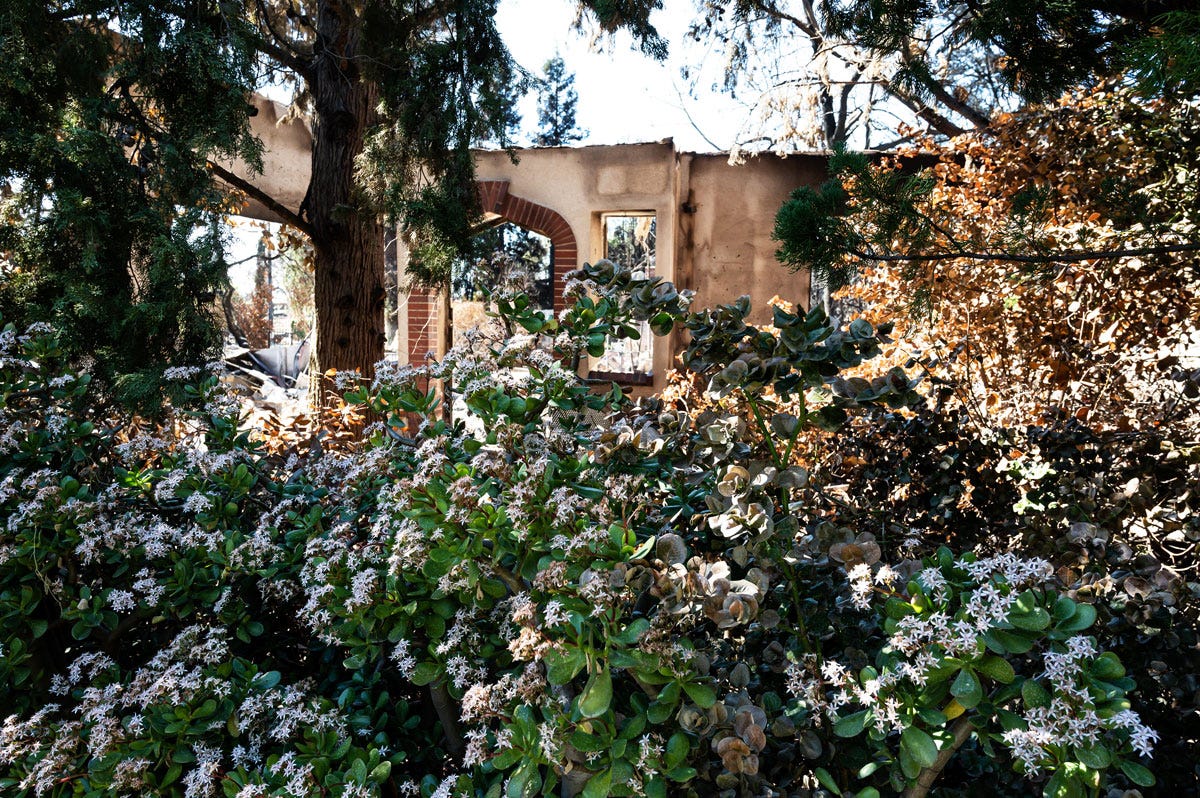
The flames obliterate the past, rob personal histories, and become a demarcation point: before and after the fire. How could anyone survive that?
Yet, somehow, they have.
++++++++++++++++++++++++++++++++++++++
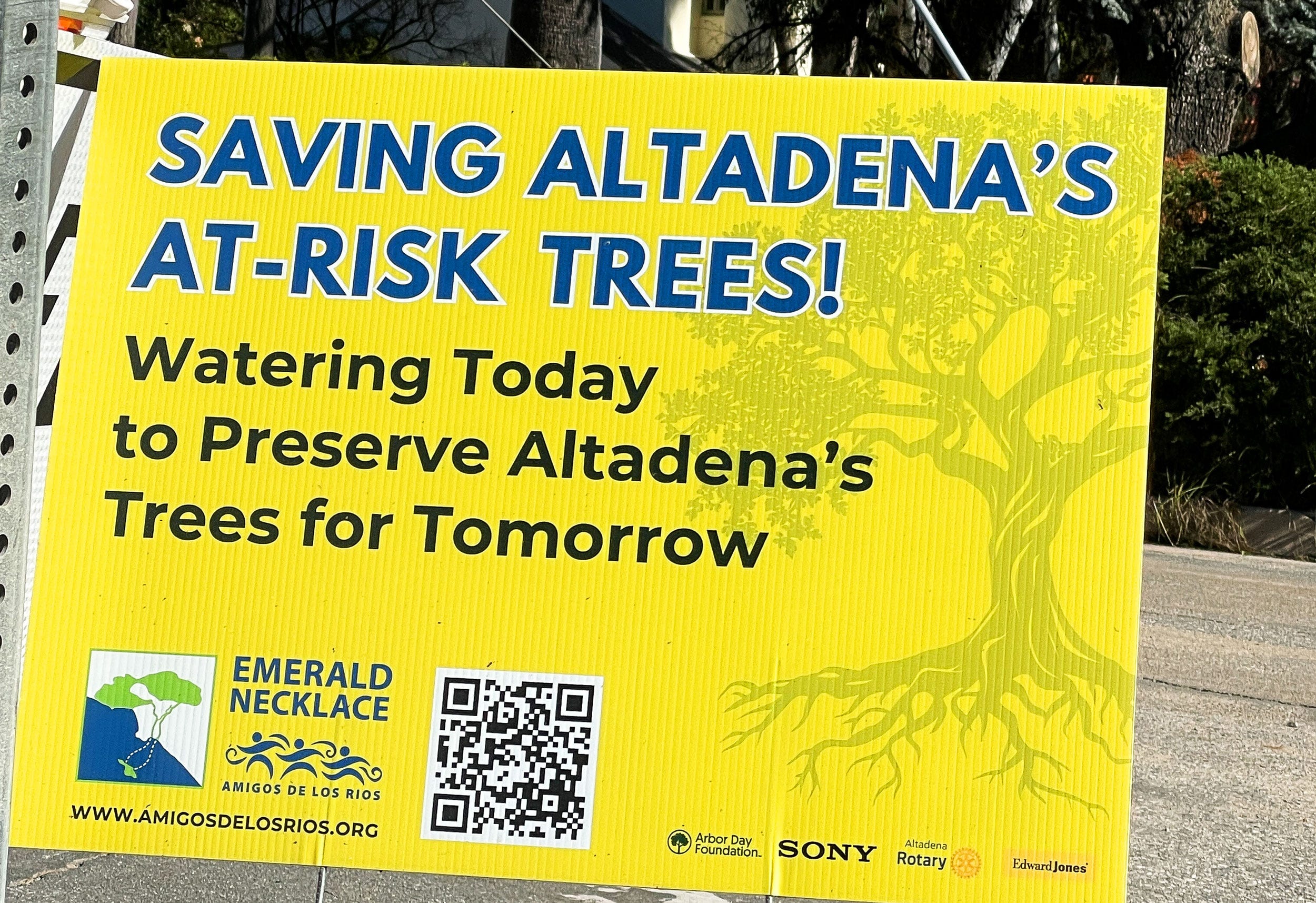
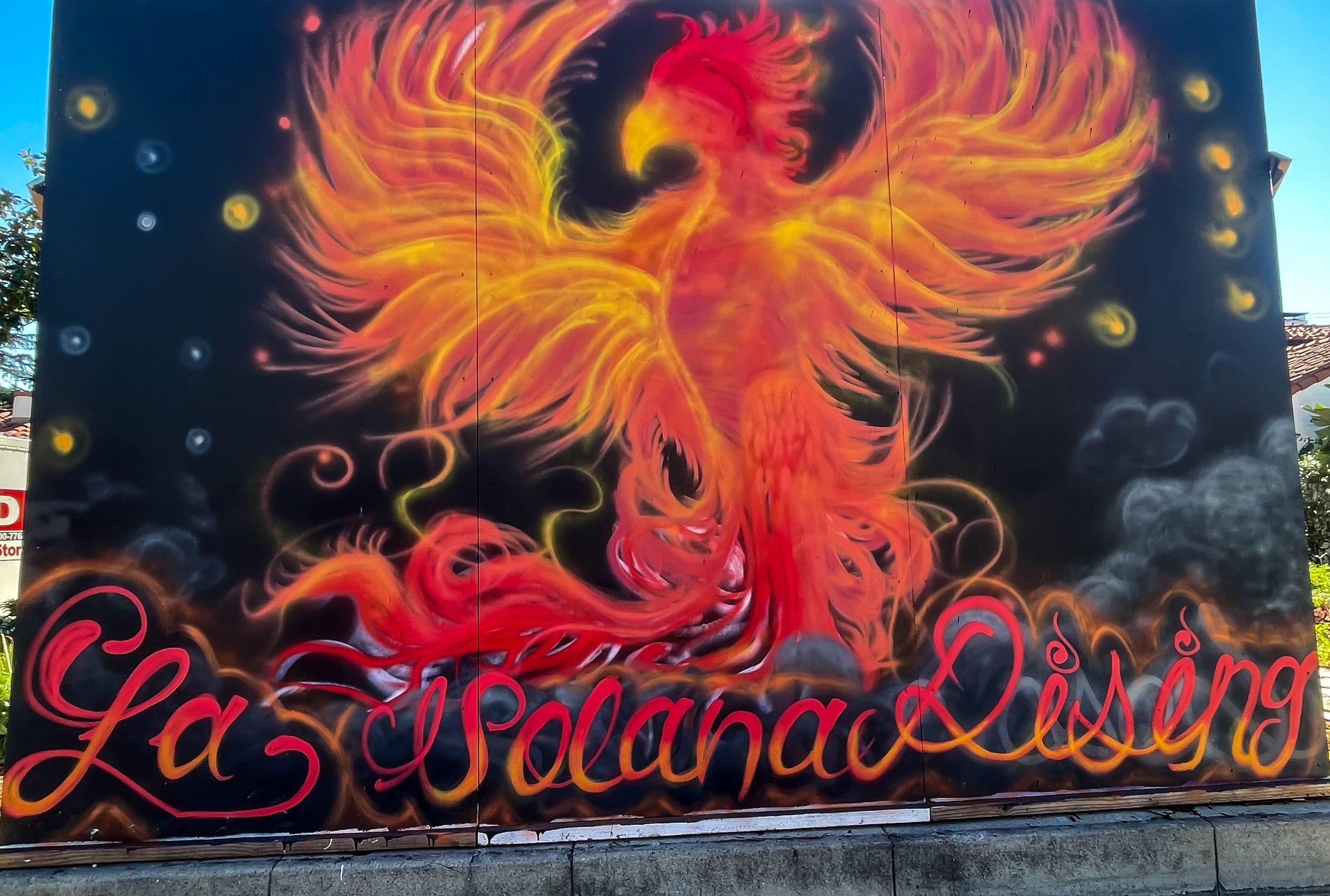
Since the fires were finally extinguished and after the tragic consequences have faded from the headlines, there are substantial noteworthy, and newsworthy, examples of recovery. The California Community Foundation has been a leader in that regard. Altadena Rising supports Altadena-raised community organizers working toward full recovery for the city’s most vulnerable. Various Facebooks groups have sprung up, as well as Instagram accounts that are aiding (and cheerleading) the healing. Altadena’s revitalization is well represented on Substack as well, here, here, and here. These sources disseminate general and essential information, the latest news, rebuild highlights, and encourage speedy permitting and reduction of bureaucratic red tape. But these efforts, feelgood stories and angry condemnation of delay, interpersonal conflicts, and the inevitable political posturing only get at part of the story, the public part.
The universal experience of loss, human struggle, and pain has been pondered and written about for centuries. The heroes’ endless suffering is explored in Homer’s The Odyssey. The poem “Remember Me,” sometimes attributed to anthropologist Margaret Mead, regards loss as merely temporal, that existence continues through memory. Contemporary Nigerian writer Chika Unigwe notes in “The Middle Daughter” that grief never truly ends, but does eventually fade with time. Speaking on grief and suffering, comedian Stephen Colbert told Anderson Cooper, no stranger to personal tragedy himself, “…I think there’s a fear of grief. That grief itself is a form of death. That grief itself is a form of defeat. And we want to stay on top and we want to win. We don’t want bad things to happen, whereas grief is not a bad thing. Grief is a reaction to a bad thing. Grief itself is a natural process that has to be experienced.”
In the days and weeks following the fires, we learned the full extent of the devastation, the number of lives lost (one in East Altadena, 18 in West Altadena) and structures destroyed (over 9,400), the political fights between California Governor Gavin Newsom and the regime in Washington, DC that ensued, the media spectacle. Eventually, morbid curiosity and fascination faded, the cameras moving on to the next disaster. The stories of individual and collective work featured in January 2026 anniversary pieces were inspiring but didn’t provide compelling sound bites or dramatic (read, marketable) images of destruction, thus they quickly faded away, mere lightweight human-interest stories.
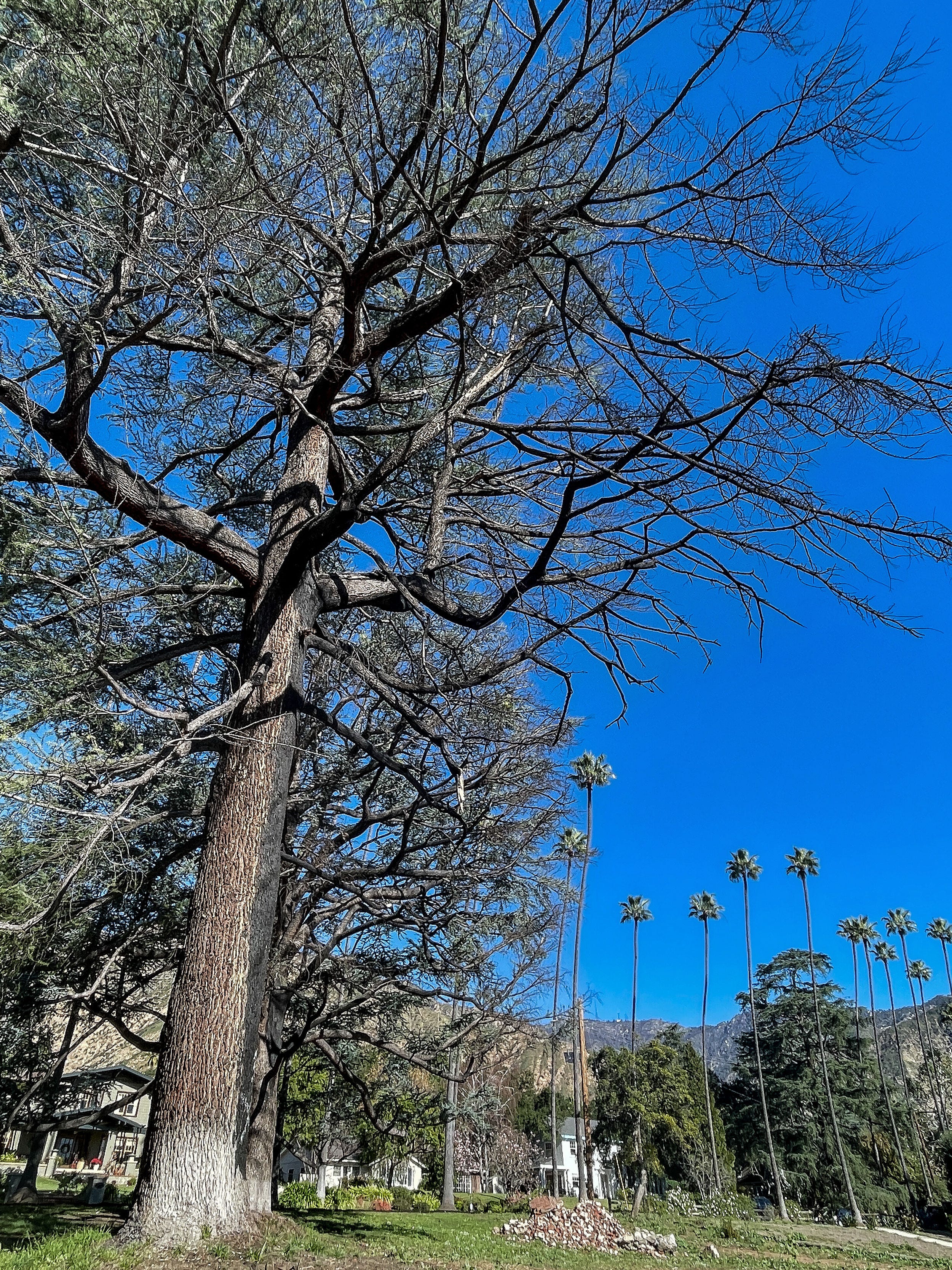
What fascinates the most, however, is how grief and loss, joy and renewal coexist amid the stories of perseverance, strength, and coincidence. And perhaps most remarkably, how loss is directly proportional to love. As author and philosopher C. S. Lewis wrote “bereavement is a universal and part of our experience of love.”
+++++++++++++++++++++++++++++++++++++++++++
The victims’ stories are theirs, and only theirs, to tell. But what I would reveal is how pain, grief, and turmoil have been transformed into action and accomplishment. Those of my relatives impacted by the fires include my mother-in-law, Diane (87) and her husband, Verne (91) whose determination to move forward has been nothing short of miraculous while the youngest (10), an outgoing, sweet kid, has clearly been blessed with the resiliency of youth. Imagine standing at the threshold of your whole life or looking back on its long path and then having to cope with the loss of your home. But my family has done exactly that, and by all appearances are stronger for it.
Fleeing the fires on the evening of January 7, 2025, they quickly gathered up a few belongings, sought shelter and safety, fully expecting to see intact, standing homes the next day. Instead, their lives were turned upside down as they returned to find only ash and rubble, and an endless, agonizing stream of decisions that persists to this day.
Arranging housing right after evacuation was the first decision demanding attention, even in the midst of the anger, frustration, disbelief, and grief. Rebuilding and the decision to proceed, has been a never-ending series of starts and stops. Handling the demands and red tape of insurance companies is a special kind of hell. Daily decisions about the seemingly trivial (walking dogs, grocery shopping, commuting to work) are made in the shadow of that original loss. But making those decisions and moving forward with them, is recovery in itself. Loss and renewal occurring simultaneously.
Recovery and renewal show up in the most unlikely and unanticipated moments. For nearly a year following the fires, Diane and Verne lived in a small apartment in downtown Pasadena which eventually became untenable. But fortune sometimes smiles and they were given the opportunity to move back to their same Altadena neighborhood when a rental house became available. Now, strolling through their former, and soon to be new, neighborhood they meet friends old and new. Neighbors who previously only smiled and waved as they drove by now stop to chat. People whose paths may have crossed years ago get to know one another again. After the fires, everyone had a story to tell. And share. The fact that tragedy brings people together speaks to how moments of misfortune and disaster can nonetheless become opportunities for renewal and joy, forming and revitalizing community.
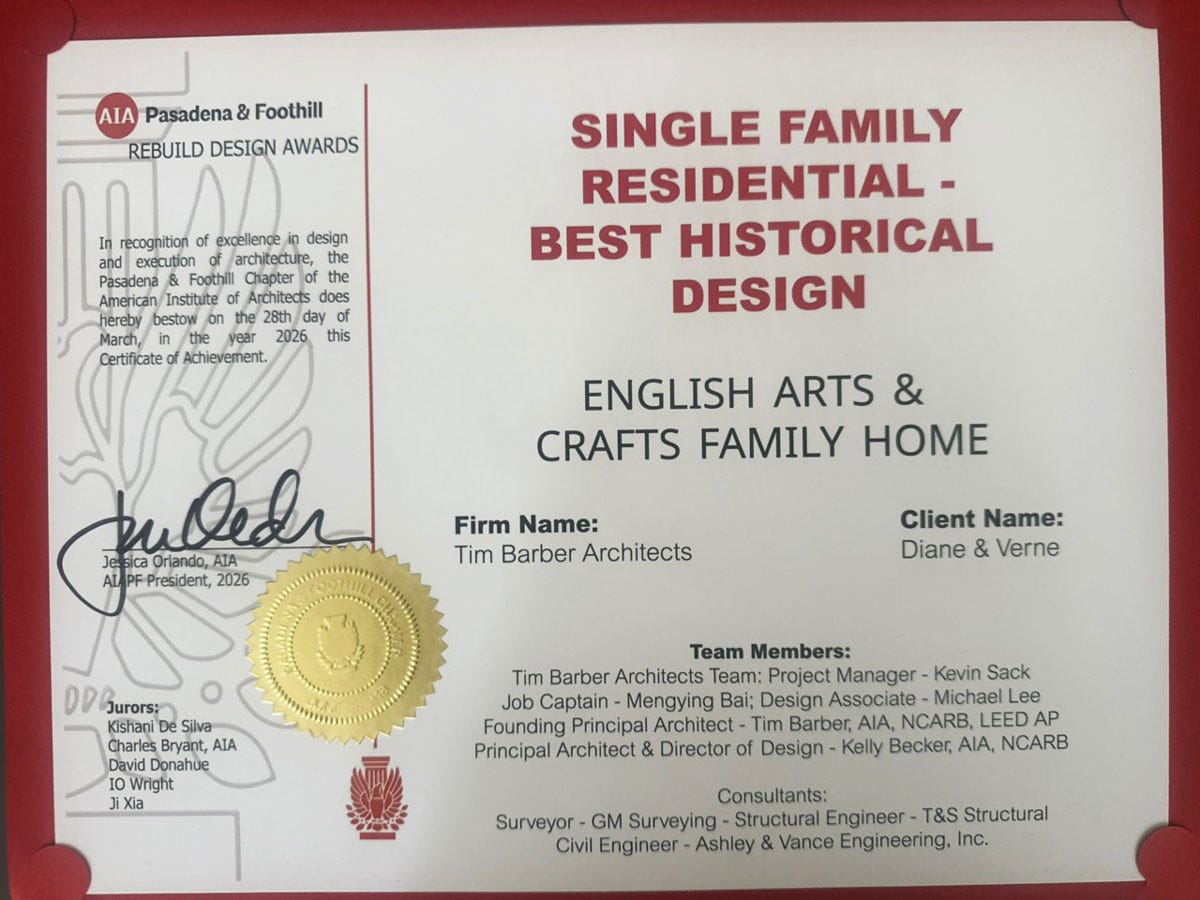
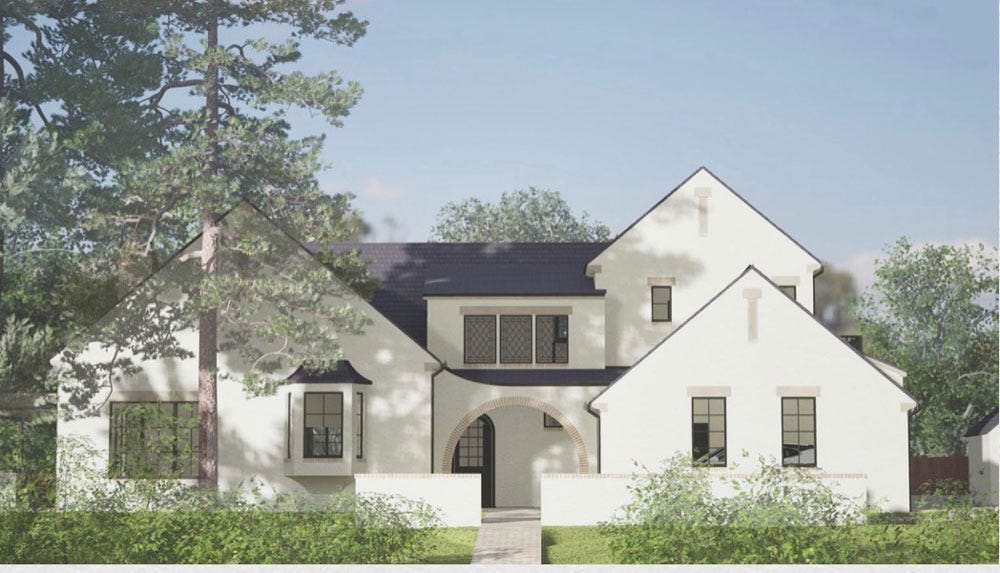
This story doesn’t have a happy ending. Yet. Months and possibly years will be needed to rebuild. But with luck, Diane and Verne will be in their new house by the end of 2026. As with loss and recovery, endings and beginnings also coexist. The house’s design, by Tim Barber Architects, was awarded “Single Family Residential – Best Historical Design” by the American Institute of Architects and will include reminders of their former home while incorporating contemporary elements that serve as inspiration while the community rebuilds. And even more good news; concrete poured and framing started; the house is beginning to take shape. Of course, the inevitable reality of further delays, mishaps, and crushingly, more natural disasters is ever present but…the recovery continues, nonetheless.
+++++++++++++++++++++++++++++++++++++++++++++++
As we watch, perplexed and incredulous, the wanton destruction of our society by power-hungry, murderous thugs thirsting for the fascism of a white supremacist society, I’m heartened and reassured by the countless stories of resistance, and efforts to recover and rebuild our national house. I’m humbled by family members who have found the strength in themselves to remake their lives and rebuild their homes. They give me hope that we as a country can also rebuild our collective house.
From the trivial (misplacing your keys) to the irreplaceable (a family’s history), most of us still manage to muddle through the mundane, and somehow cope with incomprehensible loss. But it’ll never be exactly the same, and maybe that’s okay. Impermanence and change, even borne of tragedy can bring new challenges, new accomplishments, and new joys.
I’m thinking about another Colbert quote, about his daughter’s birth:“And the first thing that occurred to me was how beautiful and how wrong that this will ever end.” It is wrong that all things end, but in the midst of loss, endings and beginnings nonetheless go hand in hand.
(This is Part II of this recovery series-Part I may be found here.)

(All photographs @Mark Caicedo/PuraVida Photography except as noted)
Beautiful work and thought provoking words, Mark.