

Hazy future for these magnificent creatures.
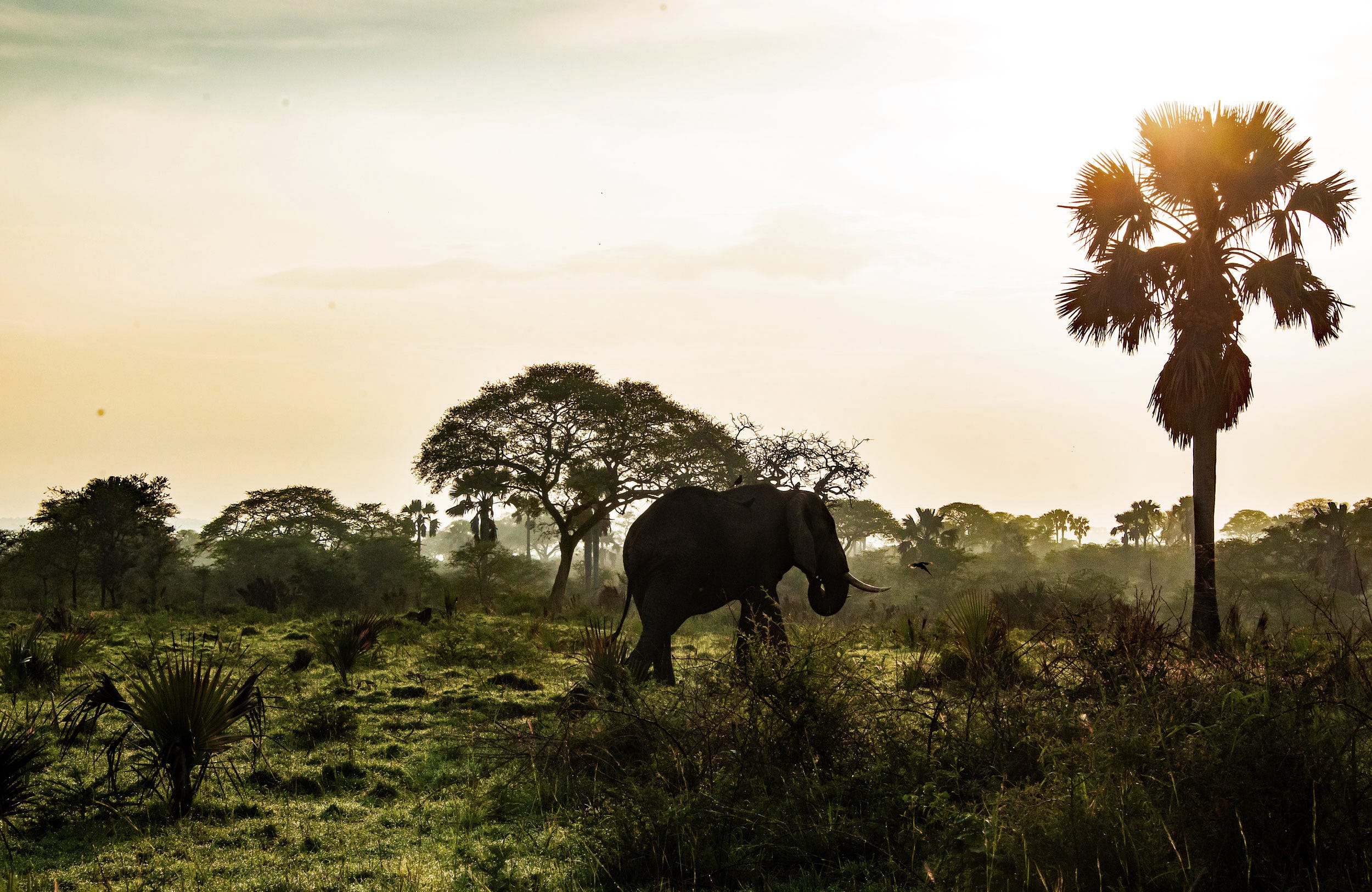
As a kid, I was obsessed with and loved Babar, that collection of stories by Jean de Brunhoff first published in 1931 about a precocious elephant. Based on a character invented by Brunhoff’s wife, Cécile, for their children’s bedtime stories, he was a young African elephant orphaned after his mother was killed by a big game hunter. Babar survived, traveled to visit a big city and returned with the intention of bringing civilization to his fellow elephants.
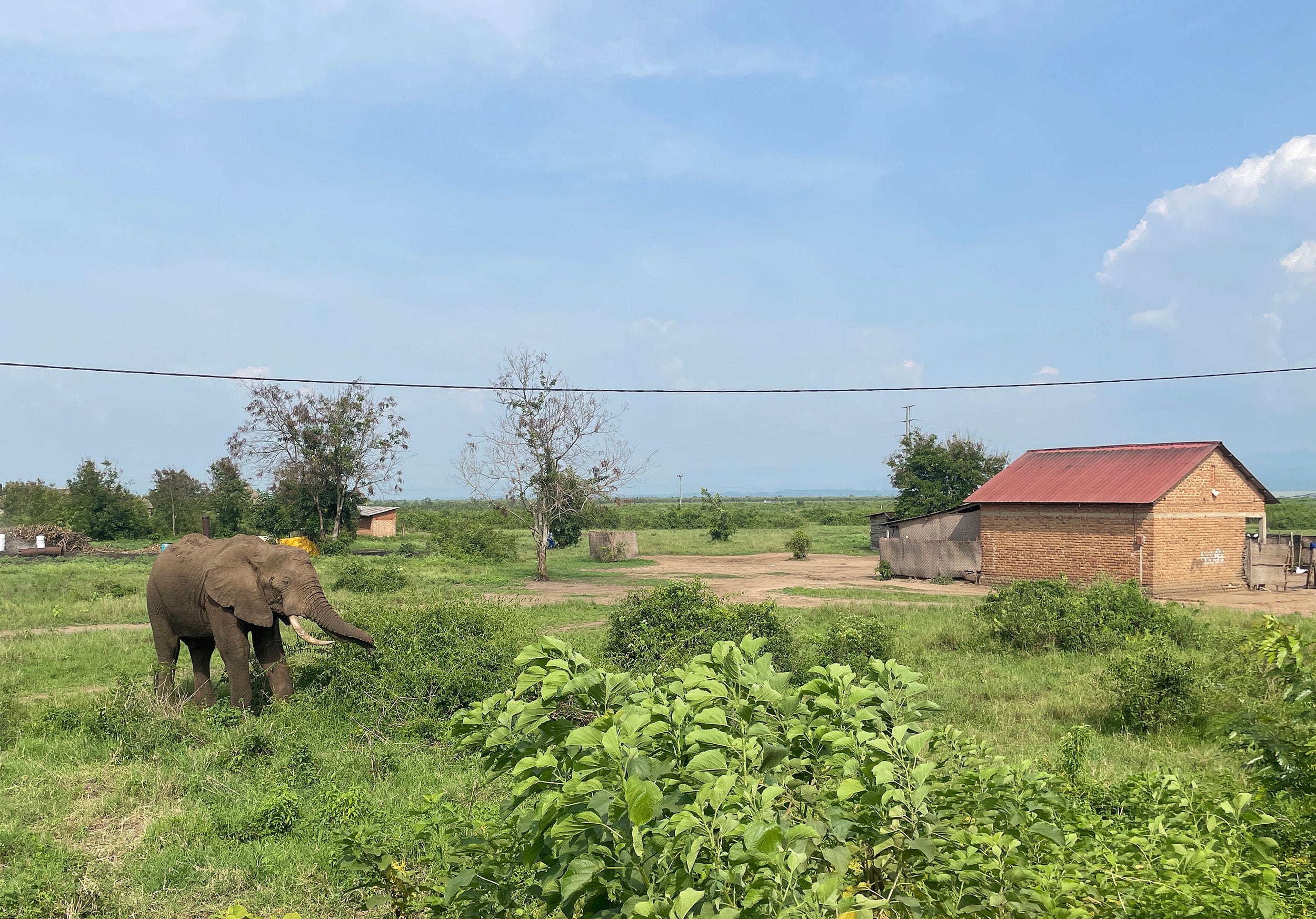
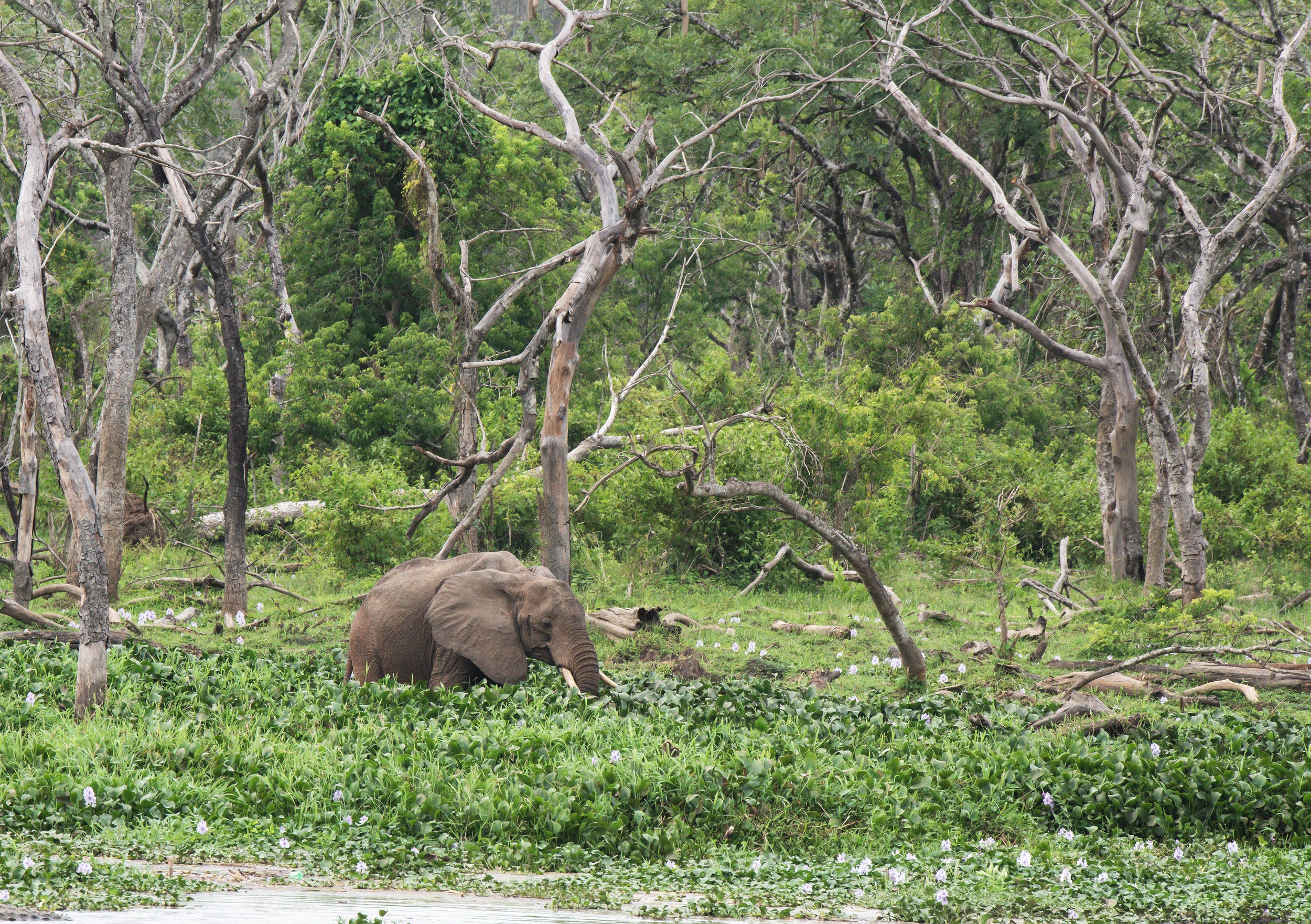
Not the only one I saw in close proximity to human activities and dwellings.
Of course, as a child I had no idea of the political and ethical issues (Babar married his cousin, Celeste, for example) the story blithely ignores. But I was entertained and quickly became fascinated by elephants. Two recent trips to Africa have transformed the memory of a childhood fantasy into a treasured reality for this grown-up kid.
Elephants play a crucial role in water “management,” creating waterholes and exposing groundwater in dry riverbeds during drought periods.
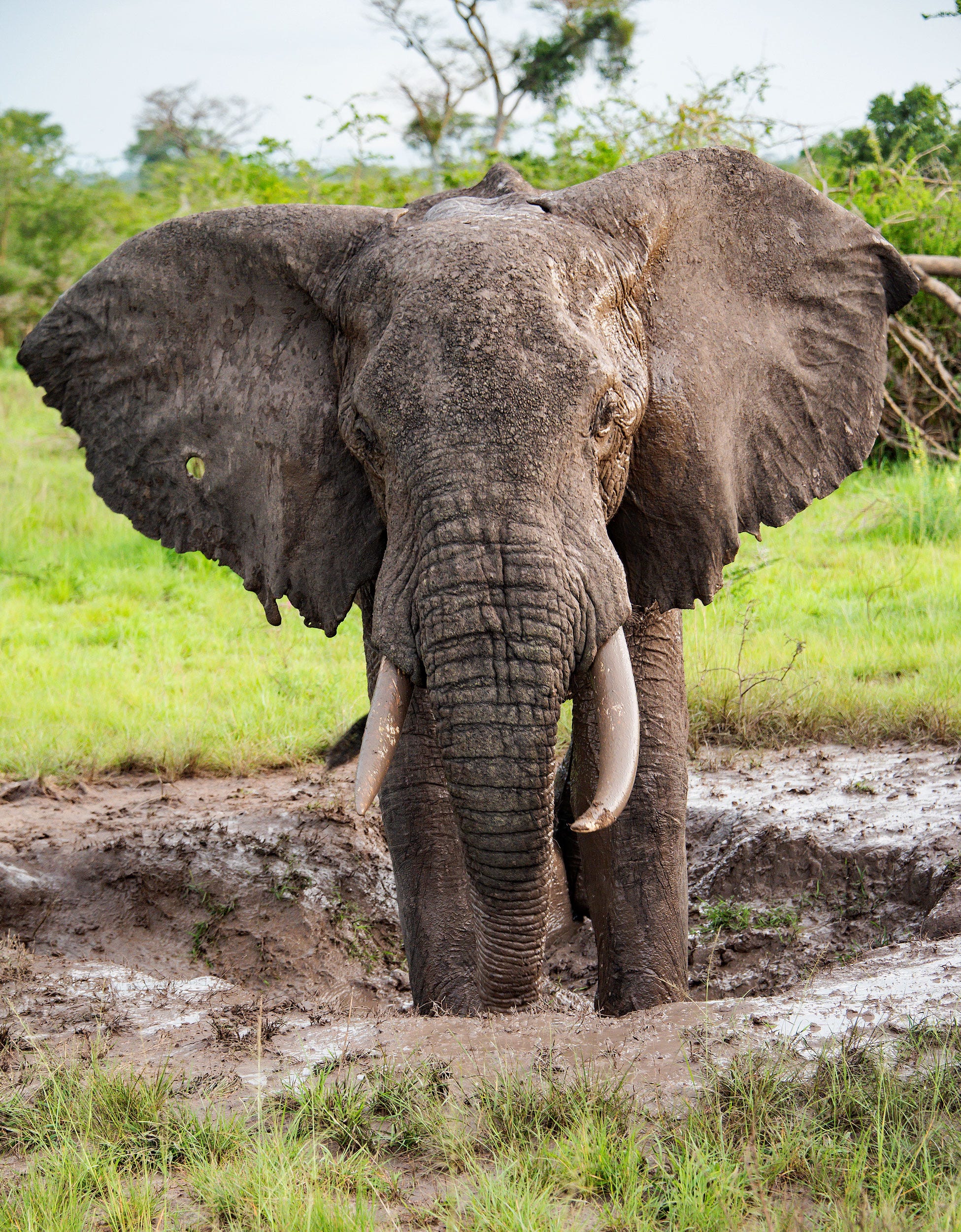
Witnessing elephants at close proximity in the wild is a life-changing experience.
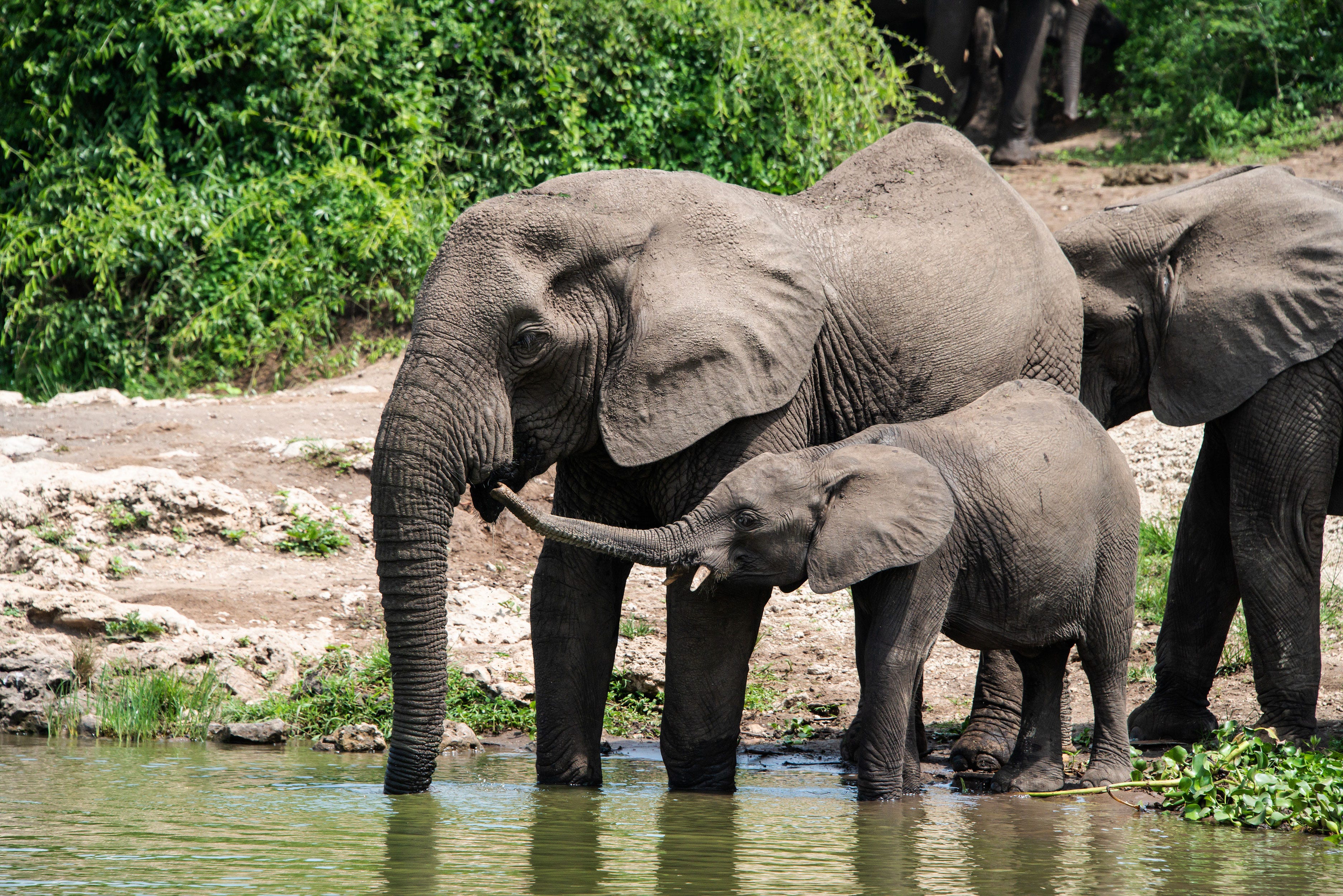
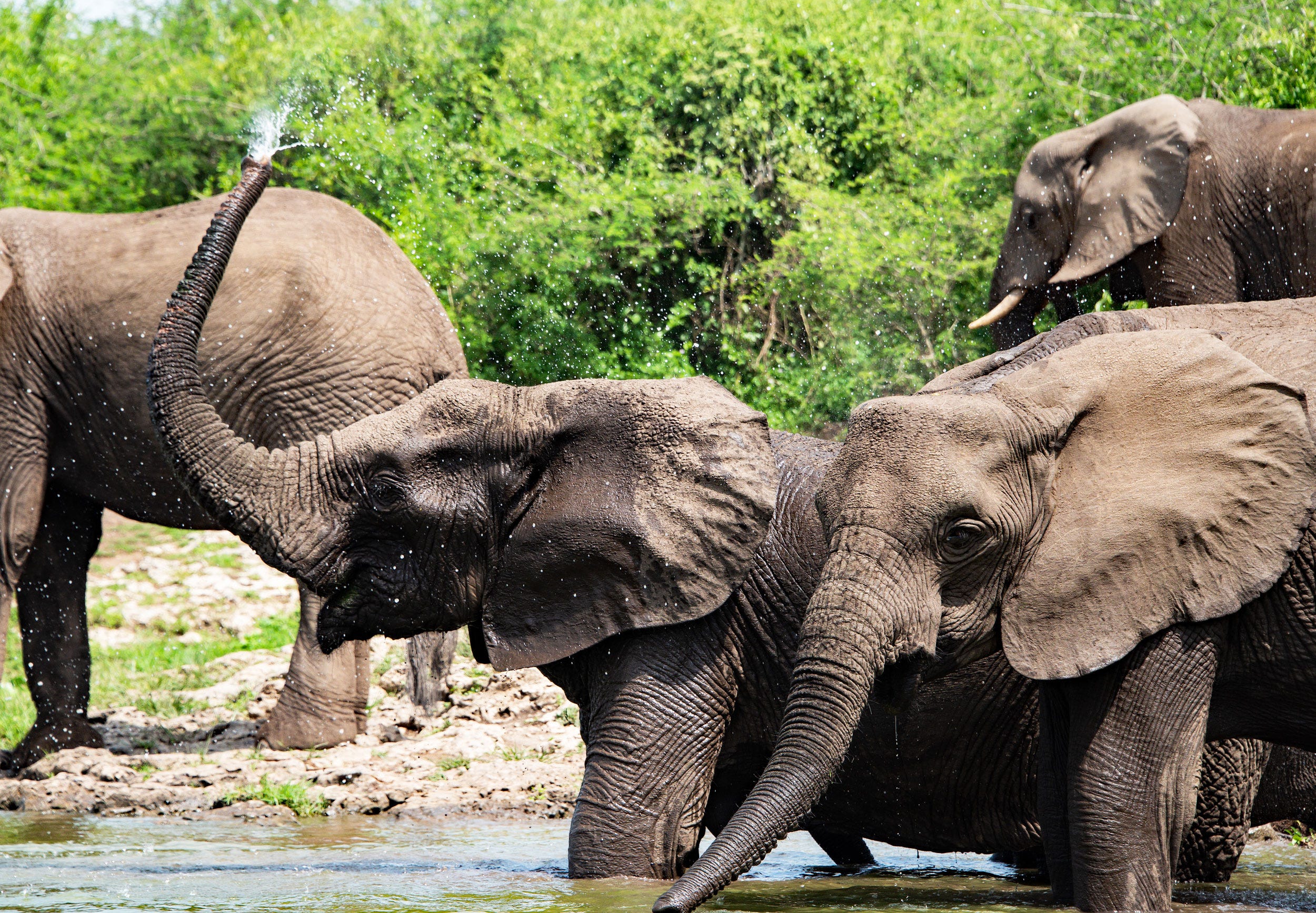
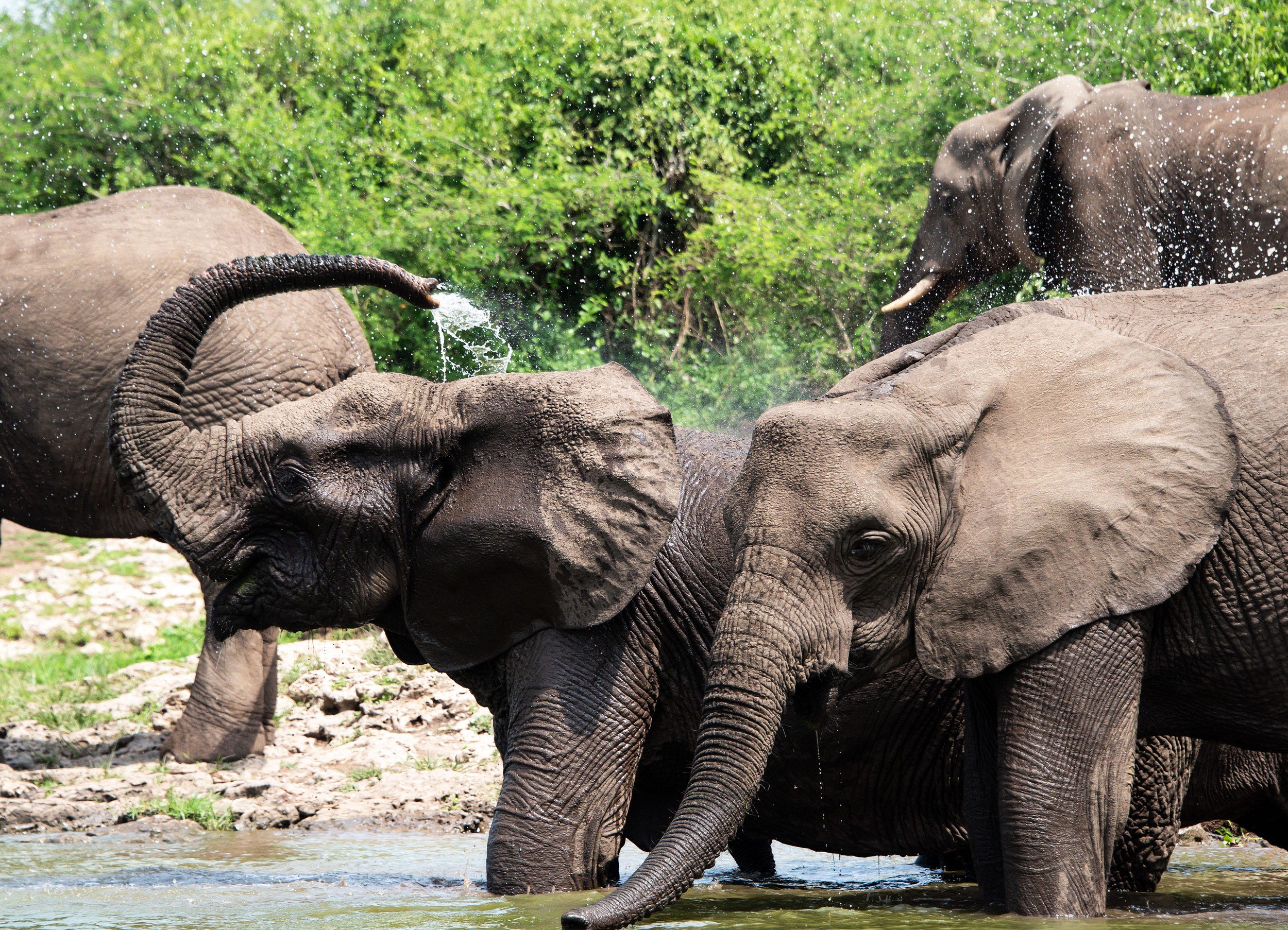
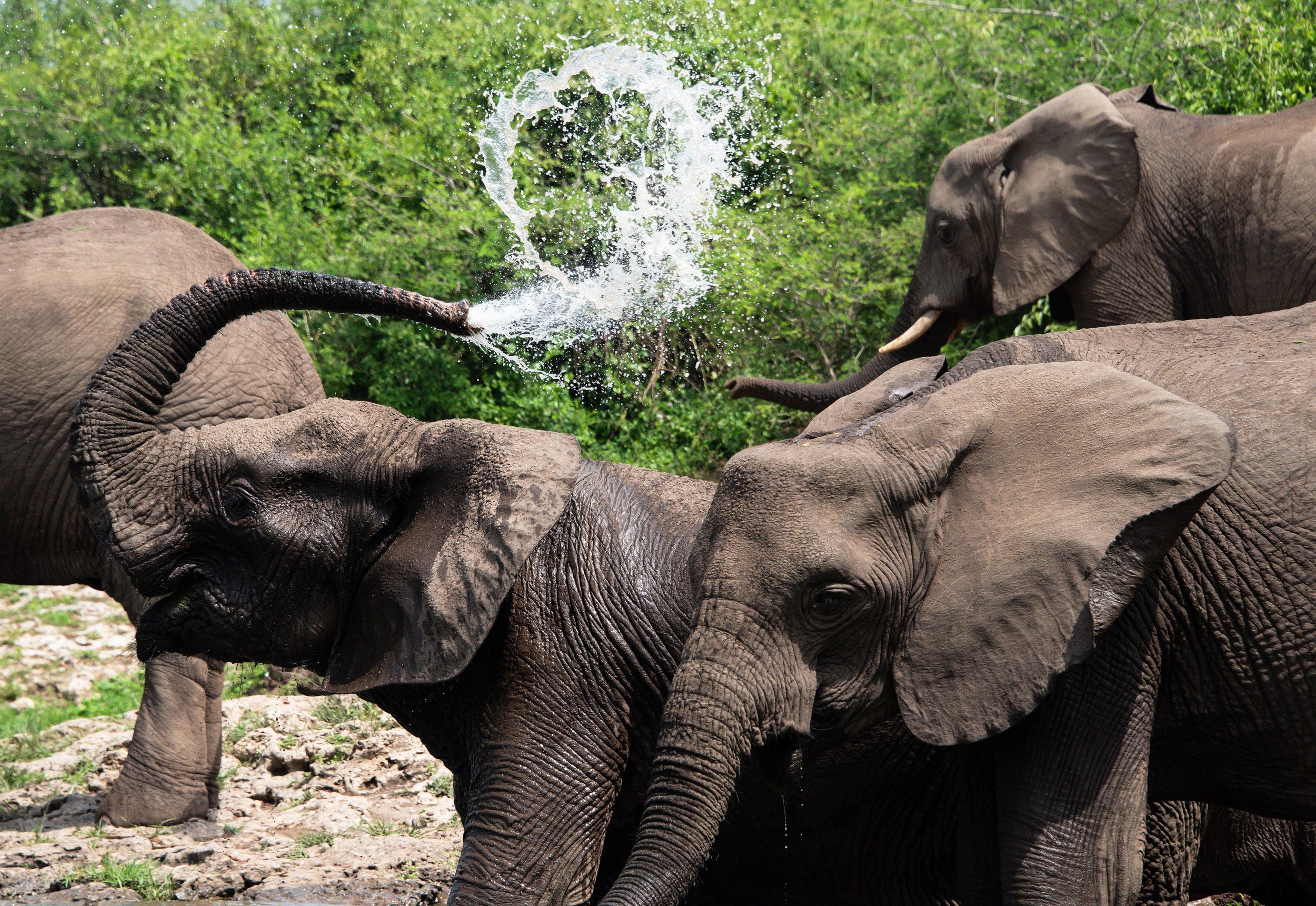
Witnessing elephants at close proximity in the wild, first in Tanzania and recently in Uganda, is life-changing. Initially prompting fear and respect but ultimately settling into joy and wonder and a suspicion that this intelligent, socially complicated species may, perhaps, have something to teach us. One might even imagine the existence of a secret elephant civilization that we humans can’t perceive-no need to force our “civilization” on pachyderm society.
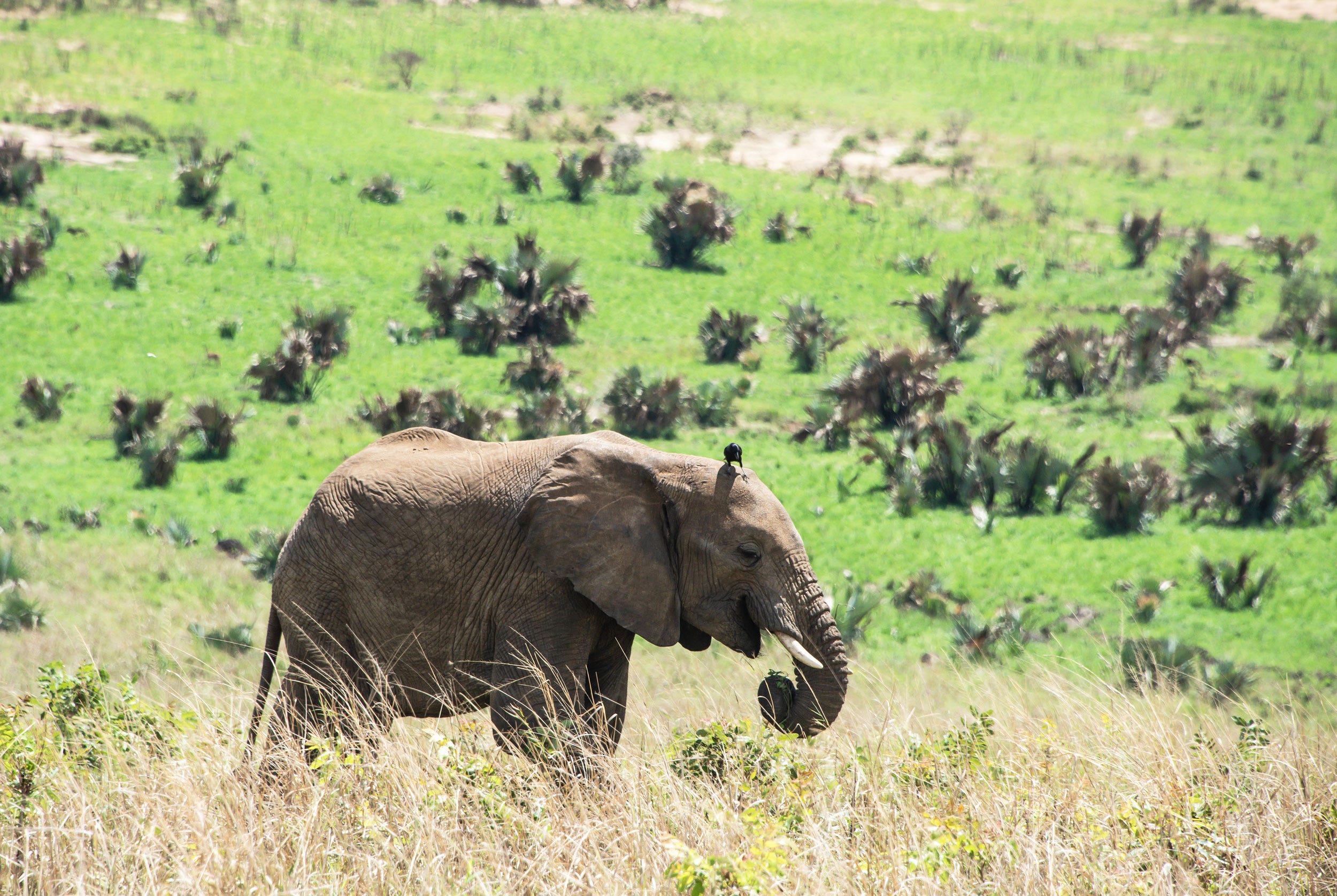
A “memory” of elephants on the move. Elephants are highly intelligent creatures with the ability to recall migration routes, water sources, and social connections.
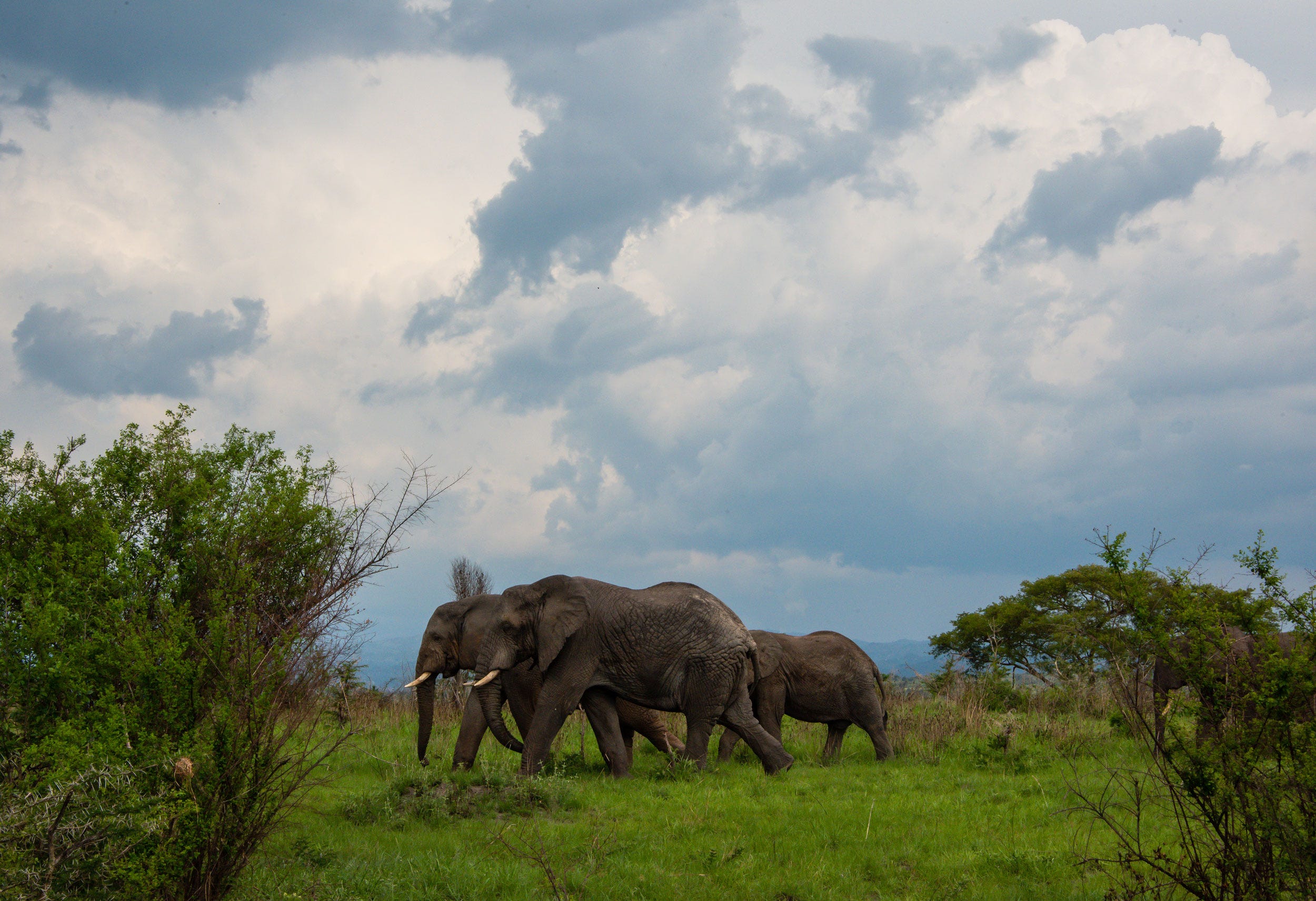
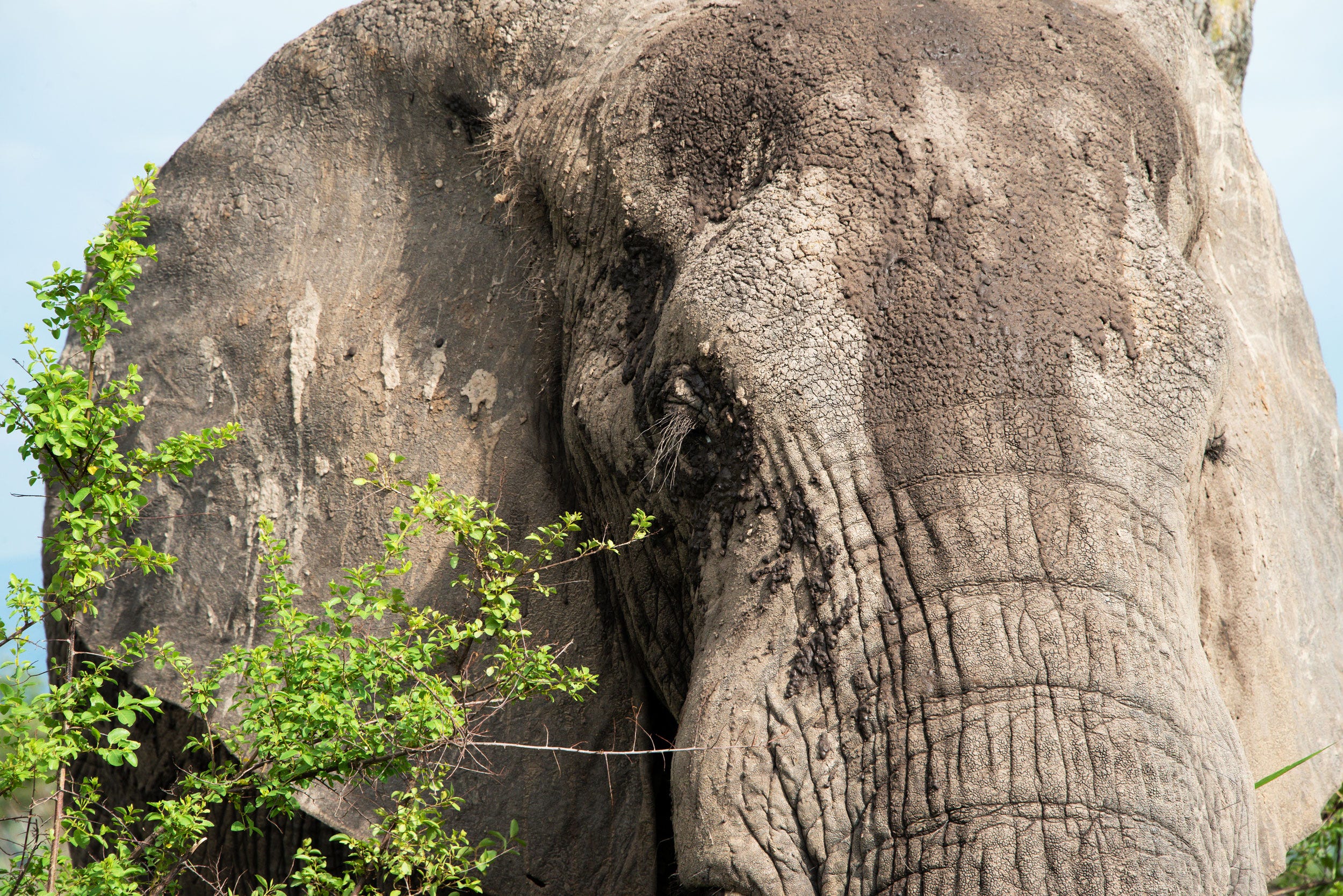
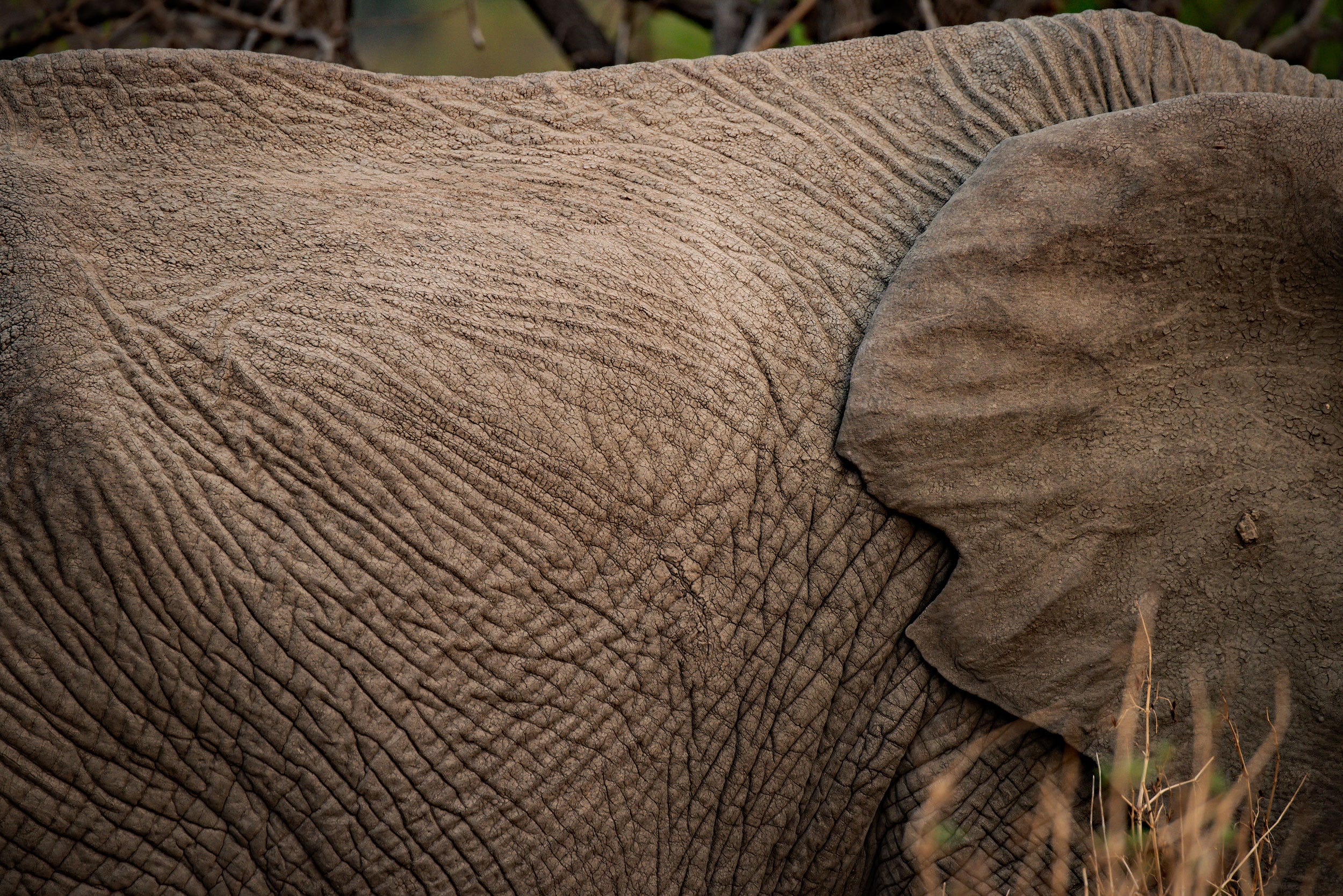
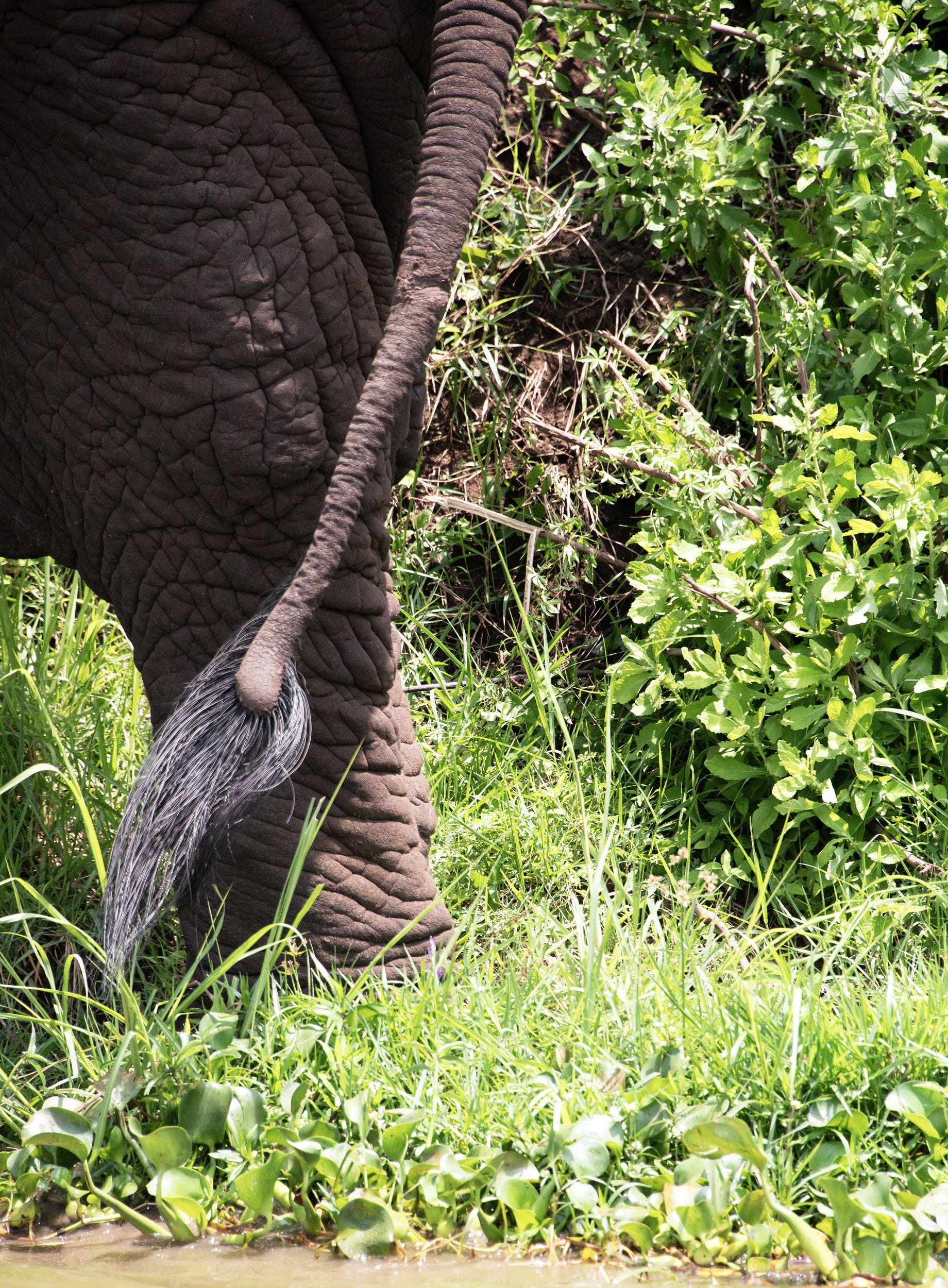
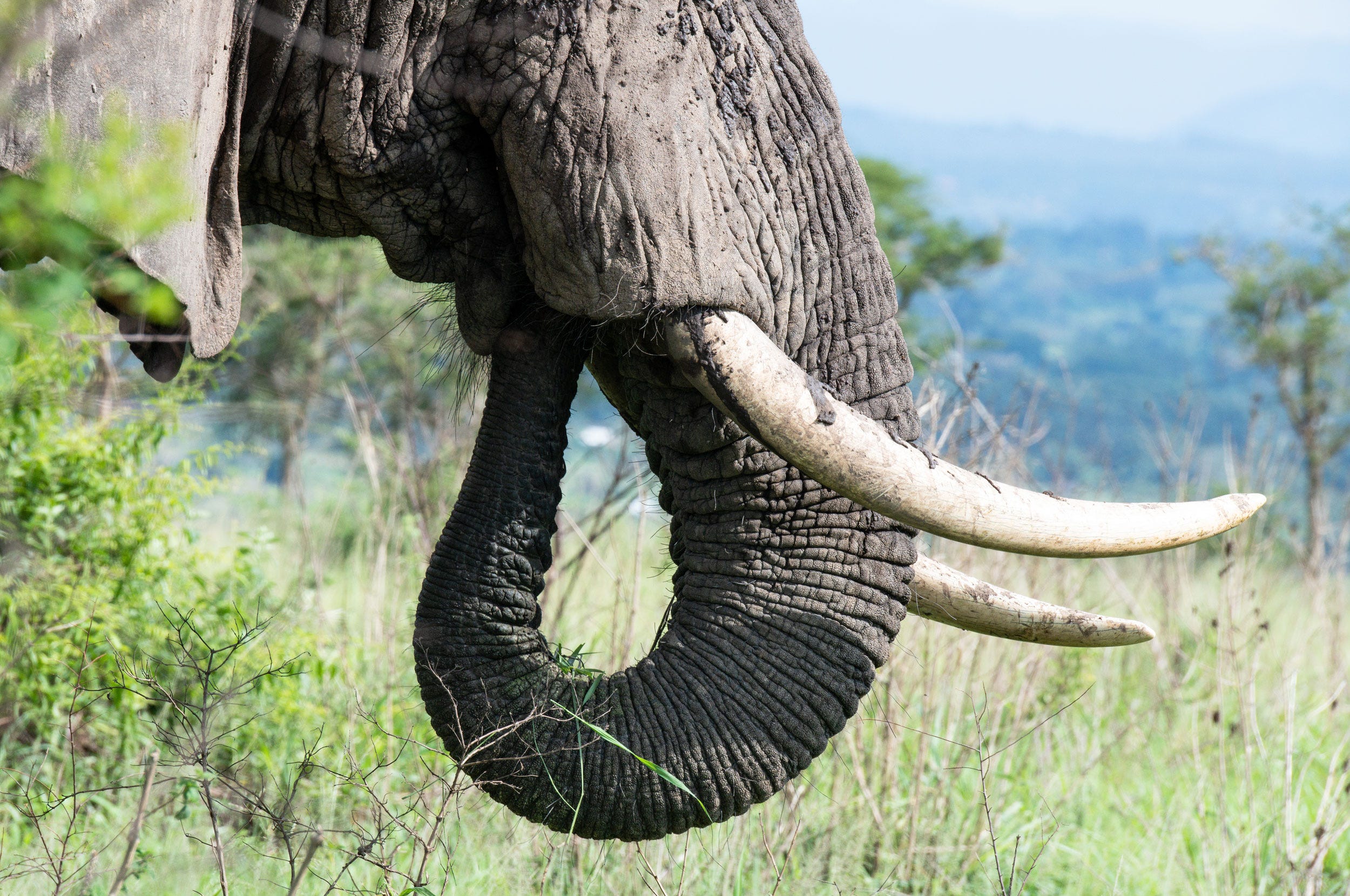
While scanning the horizon for elephant silhouettes during long game drives, the other story that came to mind was the Buddhist parable of the blind men and the creature: a group of blind men who have never encountered an elephant before are asked to describe the animal by feeling a different body part. Touching a different part and only one part, such as a tusk, ear, or tail, each man then describes the elephant based only on their limited experience. Their descriptions of the animal differ drastically from one another, and all ultimately fail the test. The moral of the story is, of course, that we humans tend to mistakenly claim absolute truth based on limited, subjective experience that ignores other demonstrable truths. A poem by nineteenth century American writer John Godfrey Saxe, reinterpreted the parable with the final verse depicting the elephant as a metaphor for God and the blind men representing religious doctrine each disagreeing on what is, in the end, unknowable.
Eyelashes
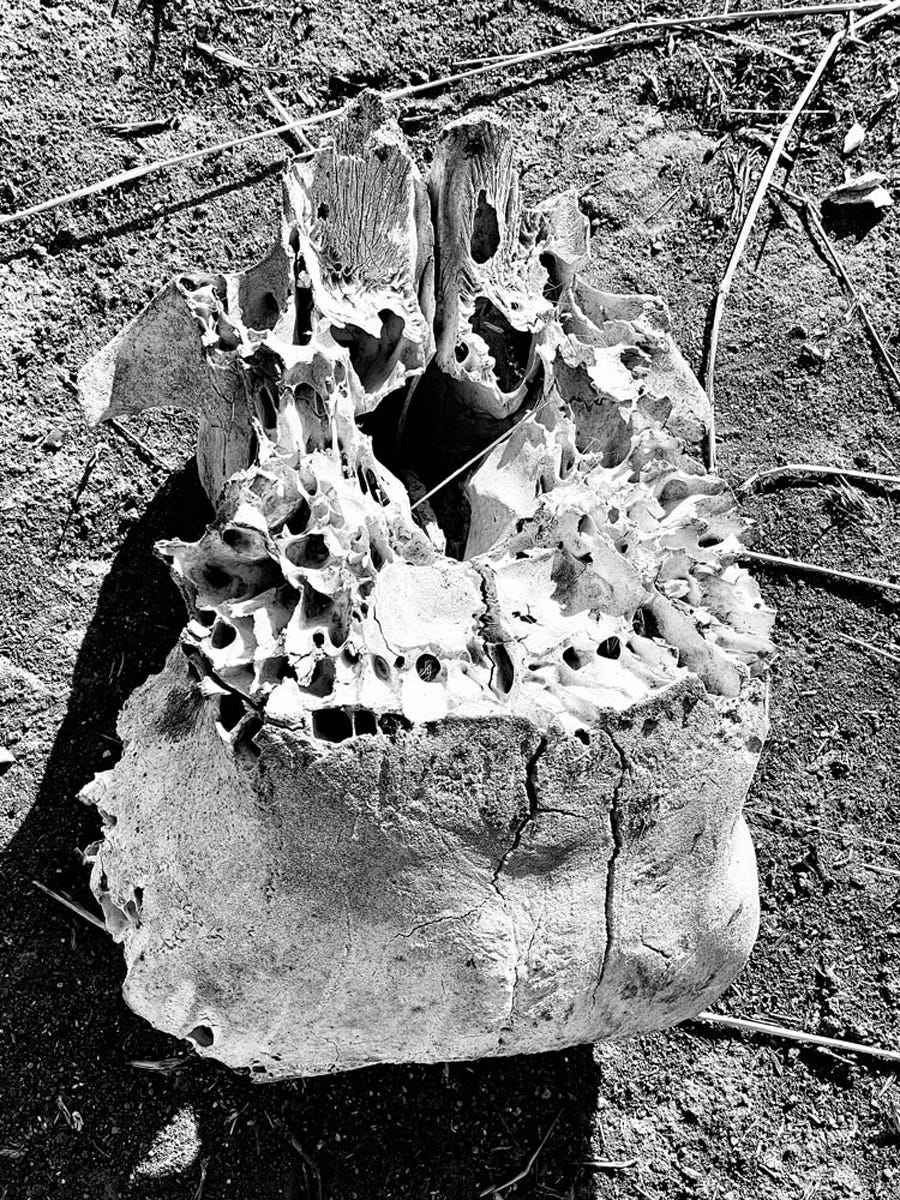
Skin
Tail
Tusk
Trunk
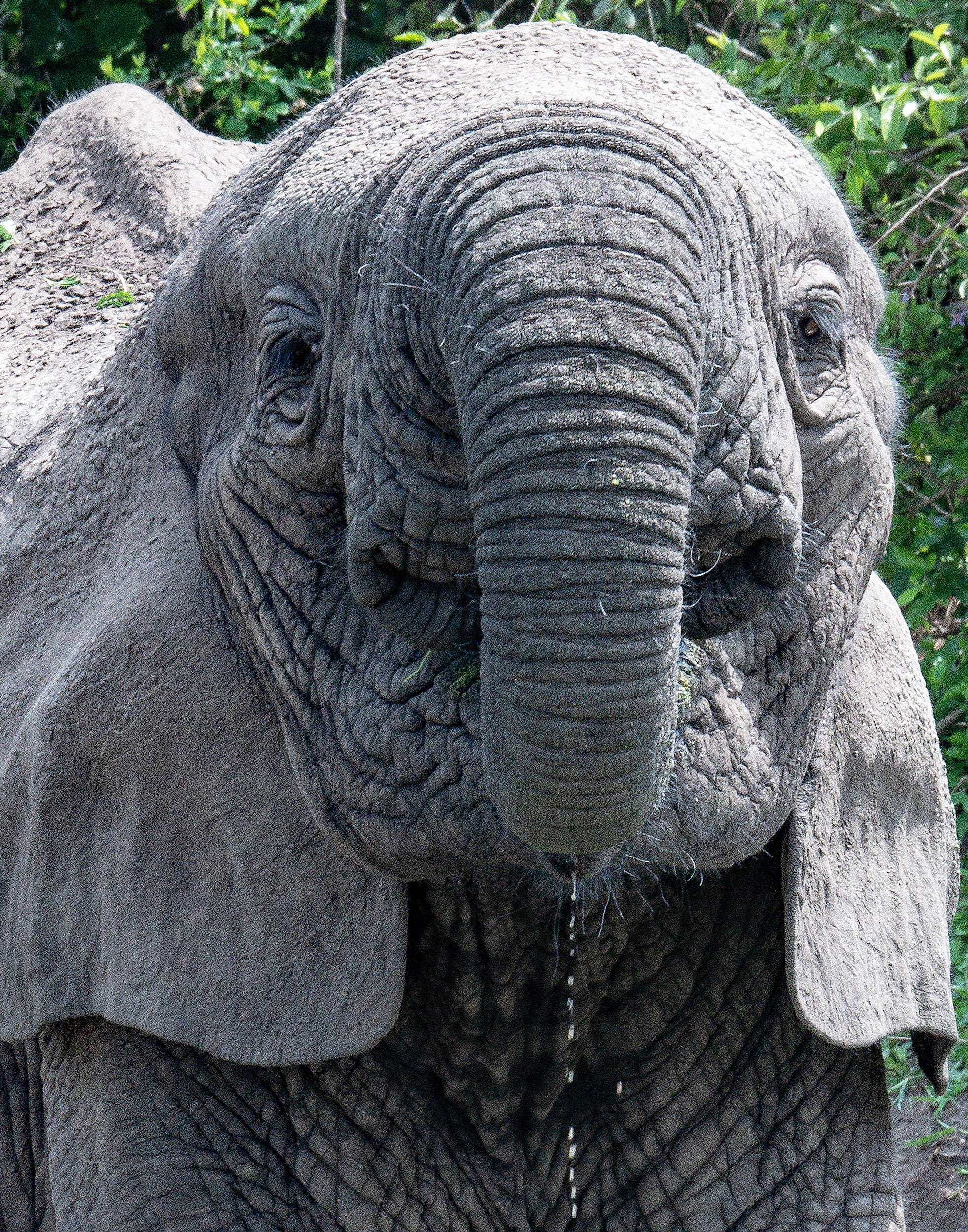
God or not, the elephant is certainly god-like. The largest living land animal, it stands up to 11 feet and weigh between 3-7 tons. There are three recognized species: the African bush elephant (Loxodonta africana), the African forest elephant (L. cyclotis), and the Asian elephant (Elephas maximus). All three share the same unique physical features: a long prehensile proboscis called the trunk, ivory tusks which are modified incisor teeth, large ear flaps that help maintain a constant body temperature, pillar-like legs, and tough but sensitive grey skin often caked with mud or dust. They are extremely adaptable thriving in arid environments, on savanna plains, and within tropical rainforests. Descriptions of body parts and pretty pictures pale in comparison to the wonder of sharing space with these mythlike beings, a feeling as close to the divine as one can get.
The Hindu deity, Ganesha, has been depicted as an elephant since the early 4th to 5th centuries CE.
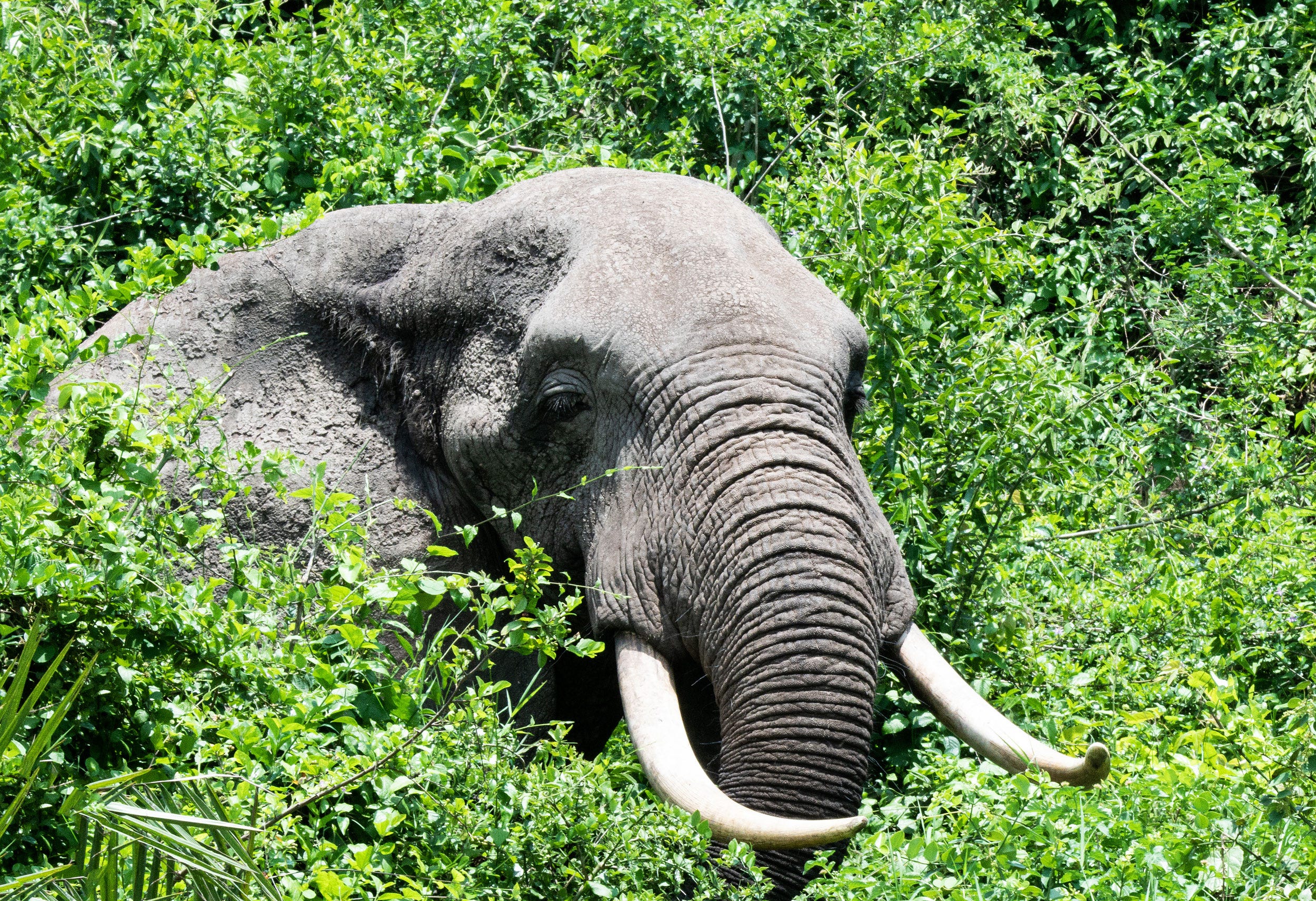
Human fascination with elephants stretches back to the Stone Age with countless examples of cave art and ancient petroglyphs depicting them, and their extinct relatives, mammoths and mastodons. Throughout human history they have been portrayed in various forms of art, including pictures, sculptures, music, film, and of course, books. Babar is a mere footnote in the vast library that is elephant literature and lore. Today, one can find dozens of social media accounts dedicated to elephants: rescue organizations, ecotourism opportunities, and, of course, sensationalized rampaging elephant reels.
Despite the increased awareness, the elephants’ survival is not a given; climate change, habitat loss and fragmentation, and poaching have all contributed to the steady decline of the worldwide population, from an estimated 1.3 million in 1979 to just over 450,000 today. Difficult questions arise and stark choices are inevitable if reversing the shrinking of the elephant’s world is to be successful. Or even if it’s possible. For instance, increased tourism has been shown to have a significant ecological impact, yet those same visitors play a crucial role in supporting a vibrant, effective national park system. Is the answer to limit tourists, increase fees, expand protected areas, or simply maintain the status quo? Those cruel realities and the actions we take to identify the parts that will make the elephant’s world whole again will have profound consequences for the half million who remain.
And us.
(All photographs copyright Mark Caicedo/PuraVida Photography)
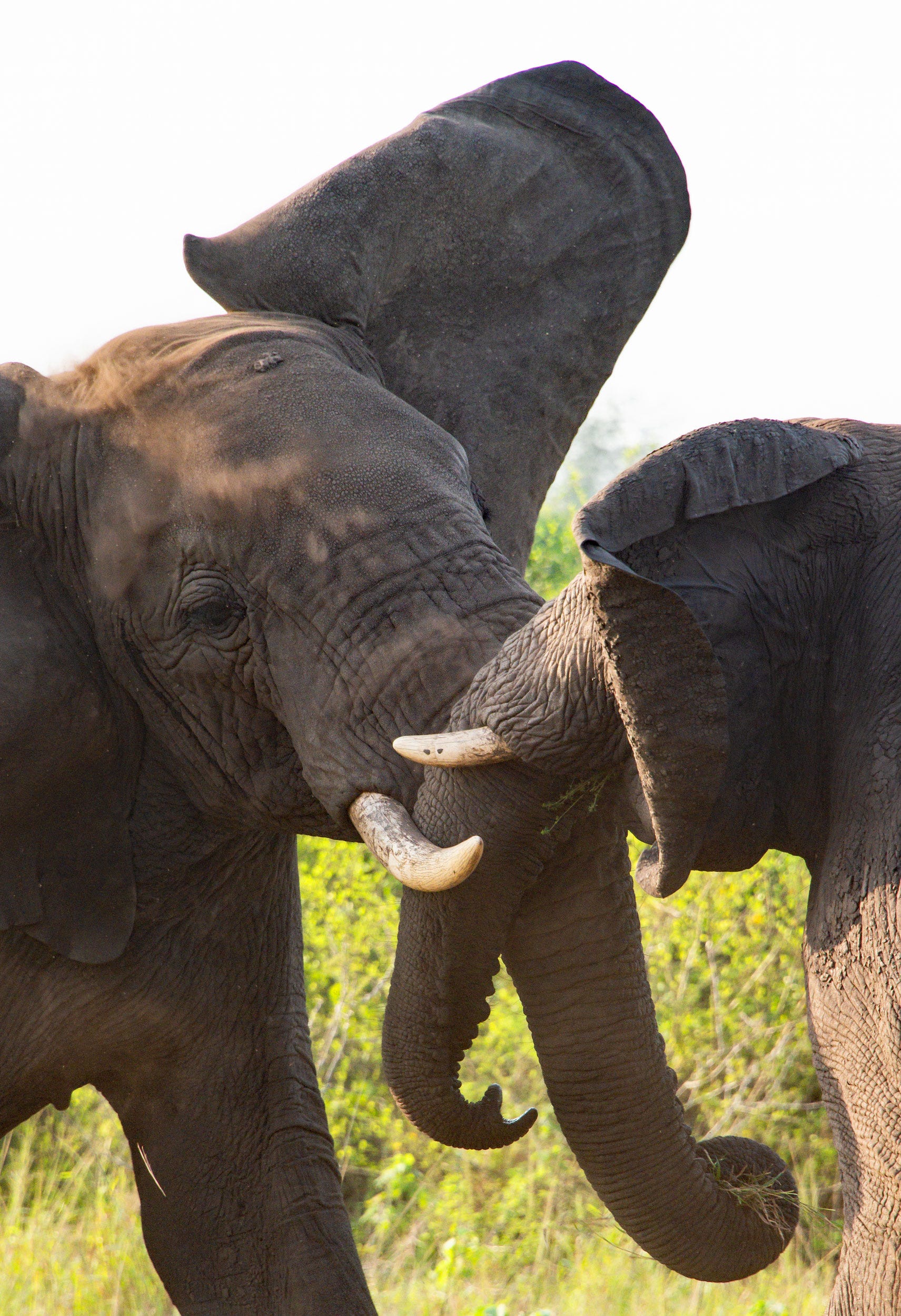
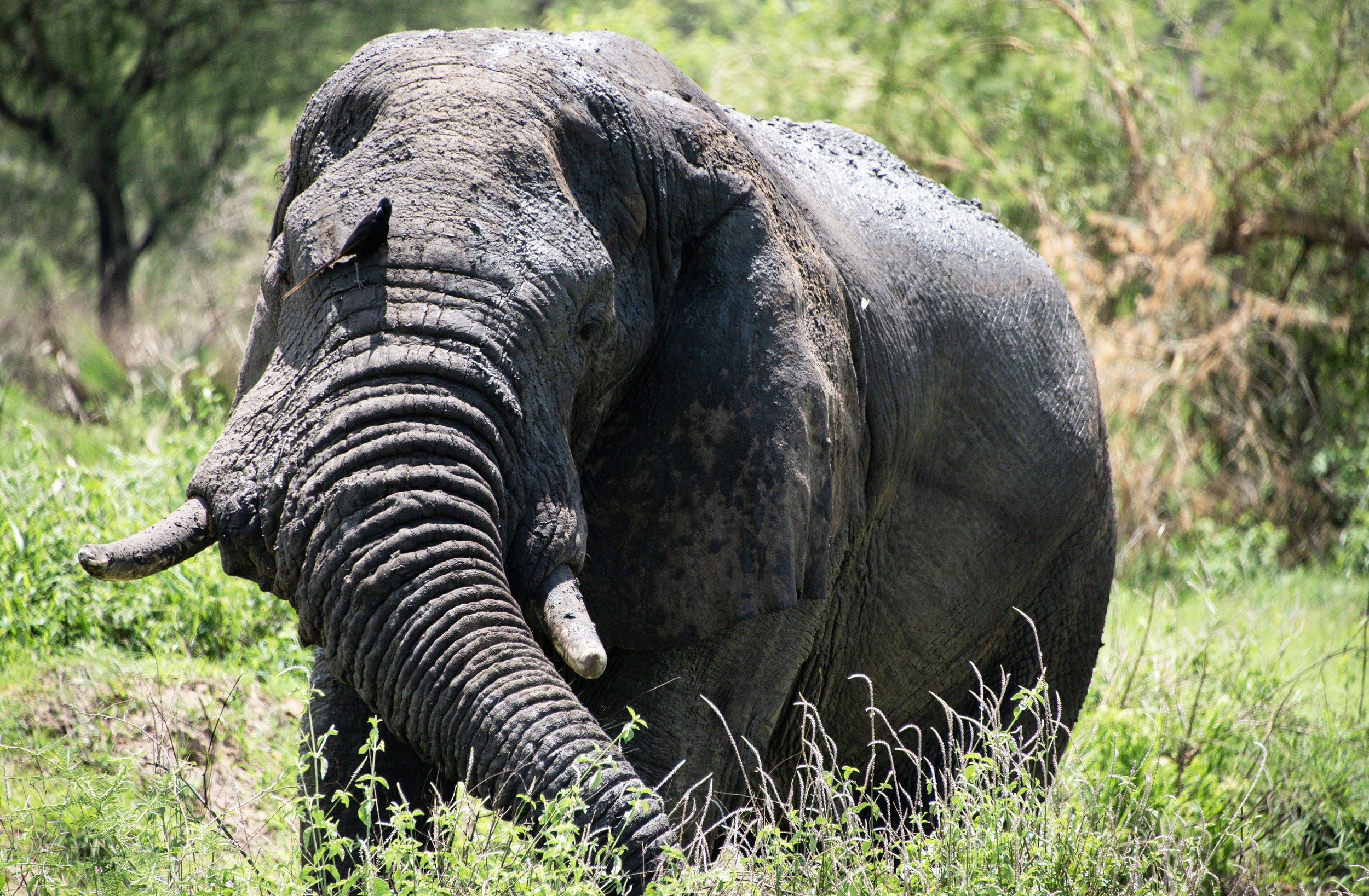
Oh, Babar! I loved those books, too! Great elephant pictures and such fun writing around them. :-)